Signalling failure led to deadly collision between two Spanish high-speed trains
Two high-speed trains travelling from Madrid to Seville collided after a signalling problem brought trains to a halt on the affected track. Spain’s transport minister said the Renfe train was then mistakenly ordered to continue and hit the rear of an Iryo train, raising questions about how the signalling and movement orders failed.
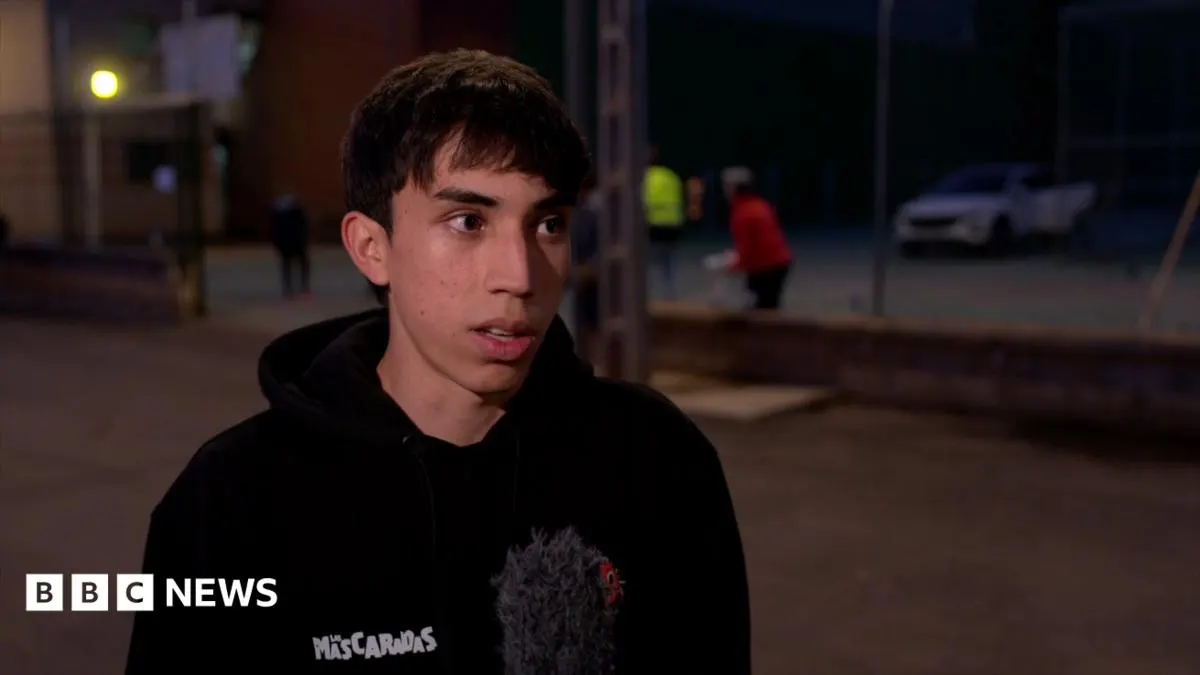
Passengers described a sudden acceleration followed by a violent impact, wrecked carriages, smoke and people being thrown from their seats. The crash happened near Urda, between Mora and Orgaz, about 140km south of Madrid; the Renfe train carried 397 passengers and the Iryo train 147. Survivors reported serious injuries in the most damaged carriages, though some escaped with minor injuries.
In short
- A Renfe train struck the rear of a stopped Iryo train.
- A signalling problem preceded the mistaken order to proceed.
- Passengers described wrecked carriages and people thrown from their seats.
Explained simply
Renfe and Iryo are two companies that run passenger trains in Spain. Madrid and Seville are linked by a high-speed railway, where trains travel at speed and depend on signals and instructions from railway staff to keep a safe distance and use the correct track.
When a signal or train movement order is wrong, trains may be put in danger even if they are travelling on the same route. Understanding how the signalling system and the instructions to drivers are meant to work is central to establishing how a collision can happen and how rail safety is maintained.
Read the full article at the source →
Originally published by BBC World as “Bloodied, dazed and angry – how passengers’ rail journey turned to disaster in Spain”.