Blue-state governor’s race defies expectations as Republican closes in: Power Rankings
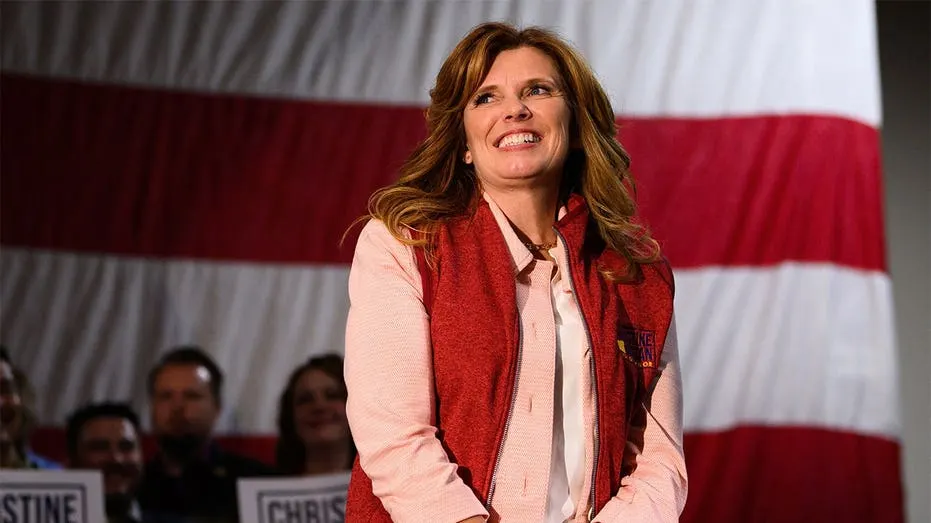
Oregon’s governor’s race has become more competitive, with Republican Christine Drazan closing the gap against Democratic incumbent Tina Kotek. The shift in the race rating from Likely Democrat to Lean Democrat reflects voter concerns about local issues and gives Republicans a chance to break a decades-long losing streak in the state.
Drazan lost to Kotek by less than four percentage points in 2022 and has since returned to the legislature. Recent polls put the rematch within the margin of error, while the campaigns are emphasising different themes: Drazan highlights homelessness, housing, taxes, schools and the cost of living; Kotek’s team argues Drazan would support President Donald Trump’s agenda. Oregon voted strongly Democratic in recent presidential and Senate elections, and Republicans face difficult national conditions, though Drazan says she has backing from the Republican Governors Association.
- Oregon’s governor’s race has shifted towards a closer contest.
- Christine Drazan lost to Tina Kotek by under four points in 2022.
- Local concerns are central as both campaigns make their case.
New here? Start with this
Oregon is holding a governor's election. The Democratic incumbent, Tina Kotek, faces a rematch against Republican Christine Drazan, who came within a few percentage points of winning the seat in 2022.
Oregon has consistently voted Democratic in recent elections, making the governor's seat traditionally difficult territory for Republicans. This race has become more competitive than expected, suggesting Republicans may have a genuine chance in a state where they have struggled to win statewide elections for decades.
The two candidates are emphasising different themes. Drazan is focusing on homelessness, housing, the cost of living and schools, whilst Kotek's campaign is highlighting concerns about Drazan's potential alignment with President Donald Trump's agenda. Recent polling shows the race is very close.
Both sides, in good faith
The strongest fair case each way — we don't pick a winner.
The case for
Voters in Oregon, like elsewhere, prioritise practical concerns that directly affect their quality of life—homelessness, housing affordability, educational provision, and cost of living are not partisan issues. Drazan's near-victory in 2022 and competitive polling now demonstrate that Republican candidates addressing these governance concerns directly can persuade swing voters in Democratic-leaning states. The shift from "Likely Democrat" to "Lean Democrat" reflects that local dissatisfaction with incumbent performance can override historical partisan patterns when voters see a credible alternative.
The case against
Oregon's consistent Democratic performance in statewide federal elections reveals a durable partisan structural advantage that shapes gubernatorial contests. The national environment remains unfavourable for Republicans, and concerns about alignment with Trump's agenda—particularly on cultural issues where Oregon voters lean progressive—could mobilise Democratic turnout and reinforce party loyalty. An incumbent governor typically retains significant electoral advantages in re-election bids, and these structural factors suggest current polling tightness may not persist through election day.