Politics news and discussion on TalkFuse.
Blue Wave Sweep: What Does Democratic Shift Mean for Hollywood and the Media?
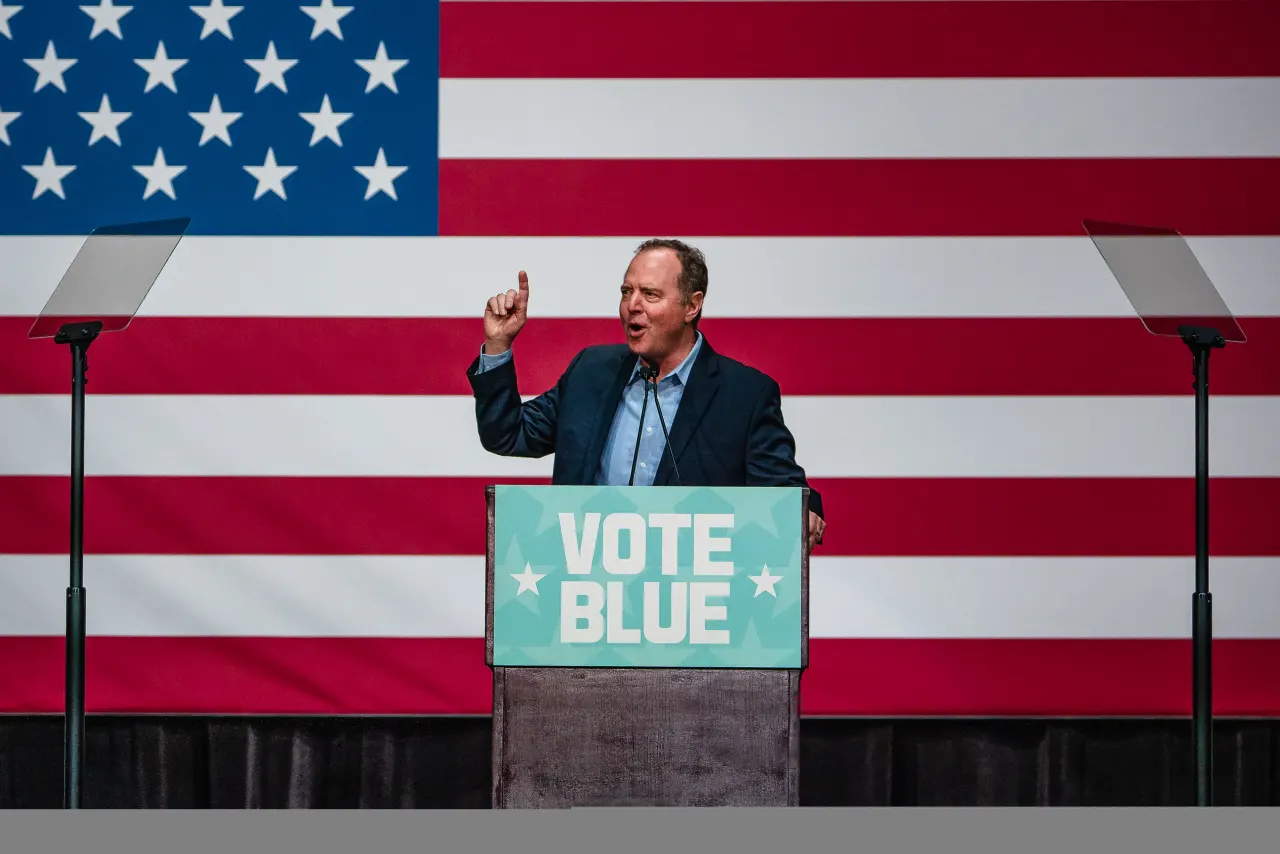
Democrats’ sweeping midterm gains could reshape the political climate for Hollywood and the media during President Trump’s final two years, even though the election focused on prices, Iran and the president. The shift may affect film tax incentives, scrutiny of the Federal Communications Commission and the future of federal support for public media.
Hollywood is seeking a bipartisan federal tax incentive before the end of the year, but Trump’s wavering support and congressional upheaval may slow the bill. Ten of its 31 Republican co-sponsors will leave Congress, and Democrats may prefer to revisit the proposal when they have more leverage. A Democratic-led Congress could also investigate FCC chair Brendan Carr and consider restoring public media funding after Congress cut $1.1 billion, though disagreements over PBS and NPR remain.
In short
- Hollywood’s tax incentive faces a tougher path after the election.
- Democrats may increase scrutiny of FCC chair Brendan Carr.
- Restoring public media funding could revive culture-war disputes.
Steelman: both sides, in good faith
The strongest fair case each way — we don't pick a winner.
The case for
Democrats’ gains could give Congress a stronger role in scrutinising the FCC and reconsidering cuts to public media, while creating leverage to shape a film tax incentive that serves workers and production in the United States. Supporters may see this as a chance to improve oversight and protect widely used public services after a major funding reduction.
The case against
A change in congressional control could delay a bipartisan film tax incentive as lawmakers revisit its terms and departing Republican co-sponsors leave uncertainty about support. Critics may also argue that investigations of the FCC chair or renewed public media funding risk politicising regulatory oversight and public broadcasting, particularly when views about PBS and NPR remain divided.
Explained simply
Hollywood is a major US film and television industry, and federal tax incentives can affect where productions are made and how much they cost. A proposed incentive has support from lawmakers in both parties, but it would need approval from Congress and the president.
The Federal Communications Commission, or FCC, is the US agency that regulates broadcasting and other communications. Public media organisations such as PBS and NPR also receive some federal funding, alongside other sources. Decisions about these issues matter to media companies, workers and audiences, and may depend on how much agreement there is between the parties in Congress and the White House.
Elections Entertainment Film Government Middle East Politics World