Politics news and discussion on TalkFuse.
Border Agents Seized and Copied an Immigration Policy Critic’s Phone Without a Warrant
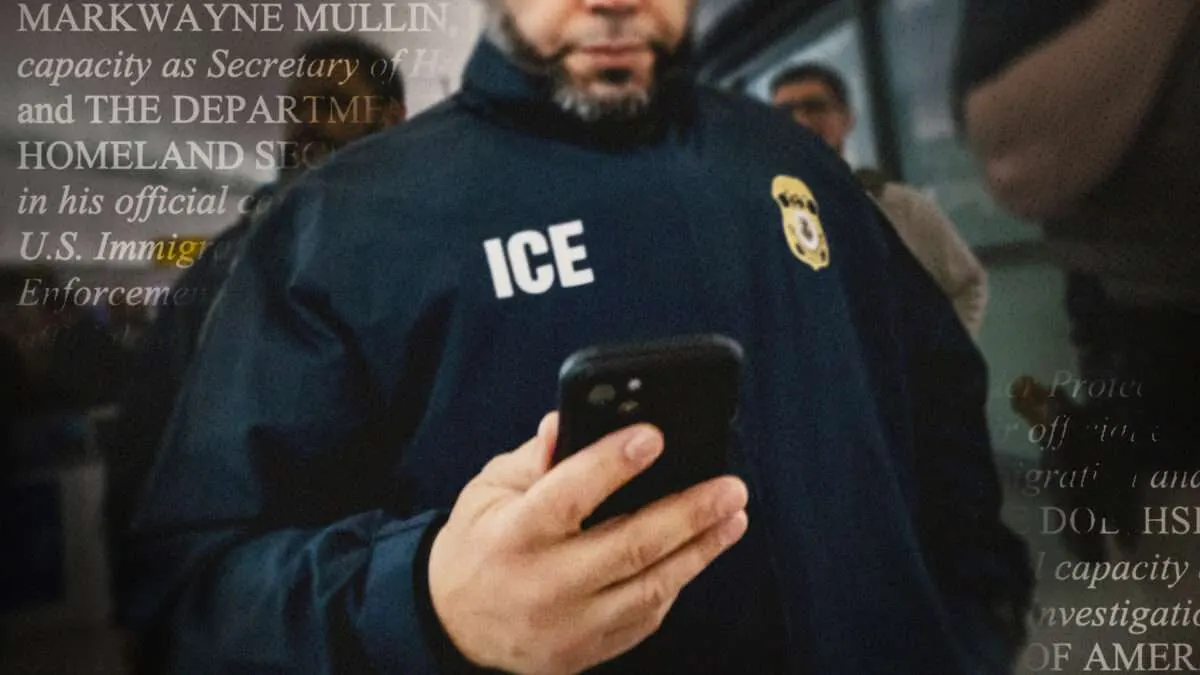
A federal judge has temporarily barred the Department of Homeland Security from accessing data copied from immigration lawyer Andrew Lattarulo’s phone, finding he is likely to succeed in arguing that agents targeted him in retaliation for his public speech. Lattarulo says his Instagram videos explaining immigrants’ rights and criticising enforcement tactics prompted the search, which he argues also violated his Fourth Amendment rights.
The phone was seized at Boston Logan Airport in September 2025 as Lattarulo returned from Aruba, held for eight days and copied without a warrant. The data includes privileged attorney-client material, which the government says it wants to convert into an accessible format and search. Officials said the seizure related to an investigation of the law firm where Lattarulo is part-owner; the judge noted the government offered no evidence that phone searches are common in such employment investigations and that a colleague with similar access to firm records was not searched.
In short
- Judge blocks access to data copied from an immigration lawyer’s phone.
- Lattarulo says the search retaliated against his public advocacy.
- The phone was copied without a warrant at Boston Logan Airport.
Steelman: both sides, in good faith
The strongest fair case each way — we don't pick a winner.
The case for
The government can argue that border searches serve legitimate investigative and security purposes, and that examining a lawyer’s device may be relevant if it contains records connected to an investigation of his firm. It may also contend that converting copied data into a usable format is a preparatory step rather than evidence that officials have accessed or exploited privileged material; protecting confidential legal communications remains essential.
The case against
Lattarulo can argue that copying a lawyer’s phone without a warrant exposes highly sensitive client communications and that the government has not shown why such an intrusive search was necessary for its investigation. The judge’s finding that he is likely to show retaliation, alongside the apparent difference in treatment between him and a colleague with similar access, supports concern that his public criticism may have influenced the search and burdened protected speech.
Explained simply
US border agents can search travellers’ belongings when they enter the country, including electronic devices, under rules that differ from those for ordinary police searches. The Fourth Amendment to the US Constitution protects people against unreasonable searches and seizures, and courts have considered how it applies to phones, which can hold large amounts of personal and work information.
Andrew Lattarulo is an immigration lawyer and part-owner of a law firm. He also posts videos about immigrants’ rights and criticises enforcement practices; his phone contains material covered by attorney-client confidentiality, which protects private communications between lawyers and clients.
The dispute concerns how far border search powers extend when a device contains confidential legal material, and whether officials acted because of a person’s public speech. Its outcome could affect how similar searches of lawyers’ phones are handled.