Boris Johnson leads fury as Trump demands Zelensky is ousted – after striking ‘sickening’ diesel deal with Putin to save US midterms
Developing story first seen 2 hours ago
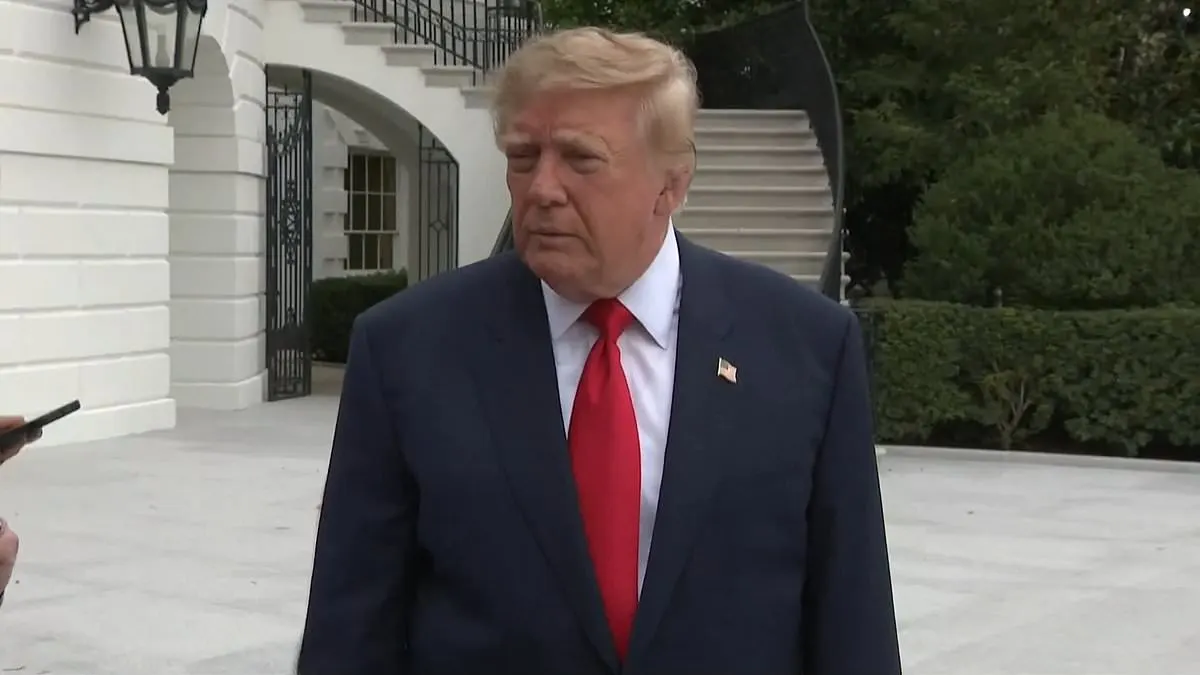
New coverage says Boris Johnson has led UK criticism of Donald Trump’s Russian diesel deal, while Trump has called for Ukraine to replace President Volodymyr Zelensky with a leader willing to negotiate with Moscow. Trump also blamed Ukraine for rising fuel costs and urged it to stop striking Russian oil infrastructure, raising concern that Washington could restrict intelligence-sharing with Kyiv.
The deal is expected to bring nearly two million tonnes of Russian diesel to the US as prices rise ahead of American mid-term elections. Johnson said lifting sanctions would help bankroll Russia’s war, while UK Defence Secretary Wes Streeting said Britain stands with Ukraine and would seek to ease tensions between Kyiv and Washington. The article says US diesel prices rose from $3.68 to $6.28 a gallon over the past year.
- Johnson condemns Trump’s Russian diesel deal.
- Trump says Ukraine should replace Zelensky.
- UK says it stands with Ukraine.
New here? Start with this
Russia invaded Ukraine in 2022, triggering a major European conflict. Ukraine, led by President Volodymyr Zelensky, has since relied heavily on military and financial support from Western countries, particularly the United States, to resist the invasion.
The United States has agreed to import diesel fuel from Russia as fuel prices rise ahead of upcoming mid-term elections. This has sparked controversy because critics argue that removing sanctions on Russian energy exports could help fund Russia's military operations in Ukraine.
Donald Trump has called for Ukraine to replace President Zelensky with a leader willing to negotiate with Russia. This has prompted strong reactions from Western allies, including criticism from former UK Prime Minister Boris Johnson, and raises questions about the future direction of American support for Ukraine during the ongoing conflict.
Both sides, in good faith
The strongest fair case each way — we don't pick a winner.
The case for
The case for Trump's approach prioritises ending the bloodshed through pragmatic negotiation rather than perpetual military stalemate. Supporters argue that sanctions relief and encouraging Ukrainian concessions represent the only realistic path to peace, noting that Russia will not negotiate whilst under maximum pressure. They contend that American domestic concerns—fuel prices, electoral cycles—are legitimate factors in foreign policy, and that indefinite military support prolongs suffering without guaranteeing Ukrainian victory.
The case against
The case against centres on maintaining deterrence and honouring alliance commitments. Critics argue that sanctions are the West's primary leverage against Russian aggression; removing them whilst pressuring Ukraine to surrender territory rewards conquest and invites further Russian expansion. They contend that prioritising US domestic politics over NATO solidarity dangerously undermines trust in American security guarantees, sets a precedent that encourages authoritarian risk-taking, and abandons Ukraine at precisely the moment Russian military position weakens.
Full account
A diplomatic dispute has emerged between Washington and Kyiv following the United States administration's announcement to relax sanctions on Russian petroleum exports. Citing inflationary pressures on American energy costs, President Trump subsequently demanded that Ukraine replace its leadership, asserting that President Zelensky was obstructing diplomatic negotiations.
Former Prime Minister Boris Johnson issued sharp criticism on social media, objecting to the agreement and rejecting the administration's contention that Ukraine bore responsibility for elevated global energy prices. Johnson instead attributed the cost increases to disruptions of Middle Eastern shipping routes. He expressed concern that the arrangement would effectively subsidise Russian military activities whilst delivering minimal benefit to American consumers.
The United Kingdom has sought to mediate between the two nations. Prime Minister Andy Burnham contacted President Zelensky to reaffirm support, with an in-person meeting planned for the coming days. Defence Secretary Wes Streeting characterised the dispute as reflecting domestic electoral pressures on the American administration. He indicated that Britain would work towards restoring unity between the allies, whilst emphasising that American military support to Ukraine remained substantial.
Ukrainian officials rejected the American criticism of their military strategy. President Zelensky reported intensified Russian attacks on civilian infrastructure following the sanctions announcement, arguing that reducing international pressure signals Moscow it can continue escalating operations. President Trump maintained that Ukrainian strikes against Russian petroleum facilities were undermining prospects for diplomatic resolution.
Where outlets differ
Source 1 emphasises former PM Johnson's forthright public condemnation and concerns about intelligence-sharing implications; Source 2 prioritises the government's diplomatic mediation efforts
Source 2 quantifies the sanctions relief at 300,000 metric tonnes and dates the announcement to Friday; Source 1 omits these details
Source 1 cites the Iran conflict as contextual background for fuel costs; Source 2 frames the decision within broader domestic cost-of-living electoral pressures
Source 2 reports Zelensky's reference to specific Russian military escalation on Zaporizhzhia; Source 1 addresses his objections more generally
Source 1 adopts emphatic language characterising the agreement; Source 2 maintains measured factual reporting throughout