Boy George quits London Jesus Christ Superstar after Israel song backlash
Developed over time first seen 2 months ago
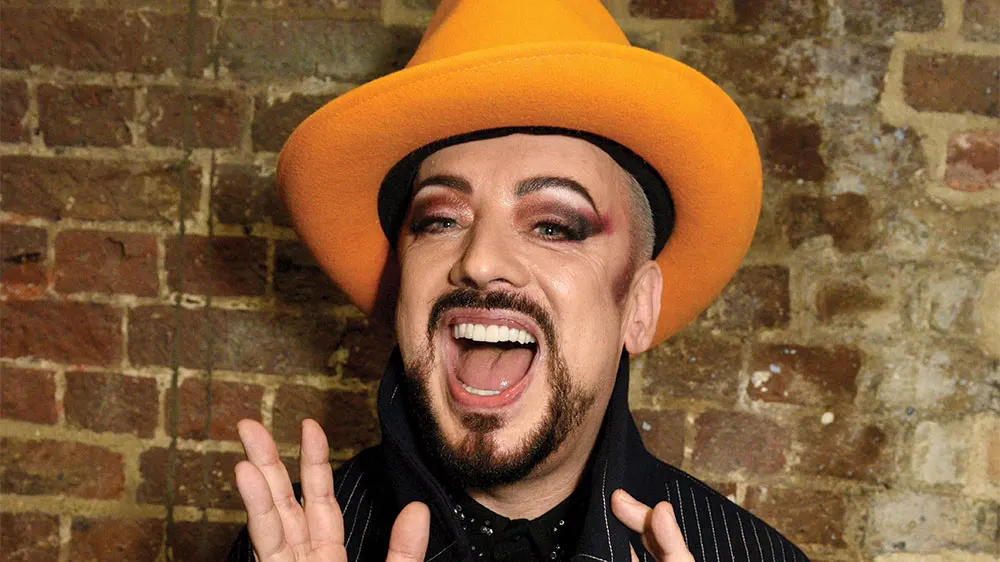
Boy George withdrew from the London Palladium production of “Jesus Christ Superstar” after his pro-Israel AI-generated song “We Will Dance Again” prompted backlash. His manager said stepping aside would allow the production to remain the focus, illustrating how public interventions on the Israel-Gaza conflict can affect professional commitments.
The 65-year-old Culture Club singer had been due to play King Herod from 3 to 15 August alongside Jesse Tyler Ferguson, Richard Armitage, Simon Russell Beale, Layton Williams and Julian Clary. The song rejects describing the conflict as genocide in favour of war, drawing criticism; George later said the dispute had led to arguments, including with Jewish friends.
- Boy George left “Jesus Christ Superstar” after backlash over a pro-Israel song.
- His manager said the decision protected the production’s focus.
- He had been due to play King Herod in August.
New here? Start with this
Jesus Christ Superstar is a rock musical by Andrew Lloyd Webber and Tim Rice, first staged in 1970. It retells the final days of Jesus Christ’s life, with King Herod appearing briefly as a ruler who questions Jesus.
Boy George is the lead singer of the British band Culture Club and became widely known in the 1980s. He had been cast in the London production alongside actors including Jesse Tyler Ferguson and Richard Armitage.
The song at the centre of the criticism refers to the Israel-Gaza conflict, which followed the Hamas-led attacks on Israel on 7 October 2023 and Israel’s subsequent military campaign in Gaza. The conflict has prompted strong and differing views internationally, and public statements by performers have sometimes affected their work and appearances.
Both sides, in good faith
The strongest fair case each way — we don't pick a winner.
The case for
Supporters of Boy George’s withdrawal may argue that performers should be able to express sincerely held views on a traumatic conflict without those views automatically becoming grounds for professional exclusion. They may see the song as an attempt, however contested, to affirm Israeli victims and reject language he considers inaccurate, and argue that allowing the production to proceed without distraction is a pragmatic choice rather than an admission that artistic speech should be punished.
The case against
Critics may argue that the song’s framing of the conflict, particularly its rejection of the term genocide, is deeply painful to people who believe it minimises Palestinian suffering and overlooks the scale of civilian harm in Gaza. They may contend that audiences and fellow artists are entitled to object, especially when a performer’s public statements risk overshadowing a major production, and that stepping aside can be an appropriate response to preserve a collaborative workplace and the show’s wider audience.
More coverage
- The Hollywood Reporter — Boy George Drops Out of London ‘Jesus Christ Superstar’ Production After Stirring Controversy With AI-Generated Pro-Israel Song
- Rolling Stone — Boy George Drops Out of ‘Jesus Christ Superstar’ After Pro-Israel Song Release
- Consequence — Boy George Drops Out of Jesus Christ Superstar Days After Releasing Pro-Israel Song
Americas Celebrity Entertainment Middle East Music World
Read the full article at the source →
Originally published by Variety as “Boy George Drops Out of London ‘Jesus Christ Superstar’ Production Following Backlash to Pro-Israel Song”.