US imposes sweeping sanctions on International Criminal Court amid allied opposition
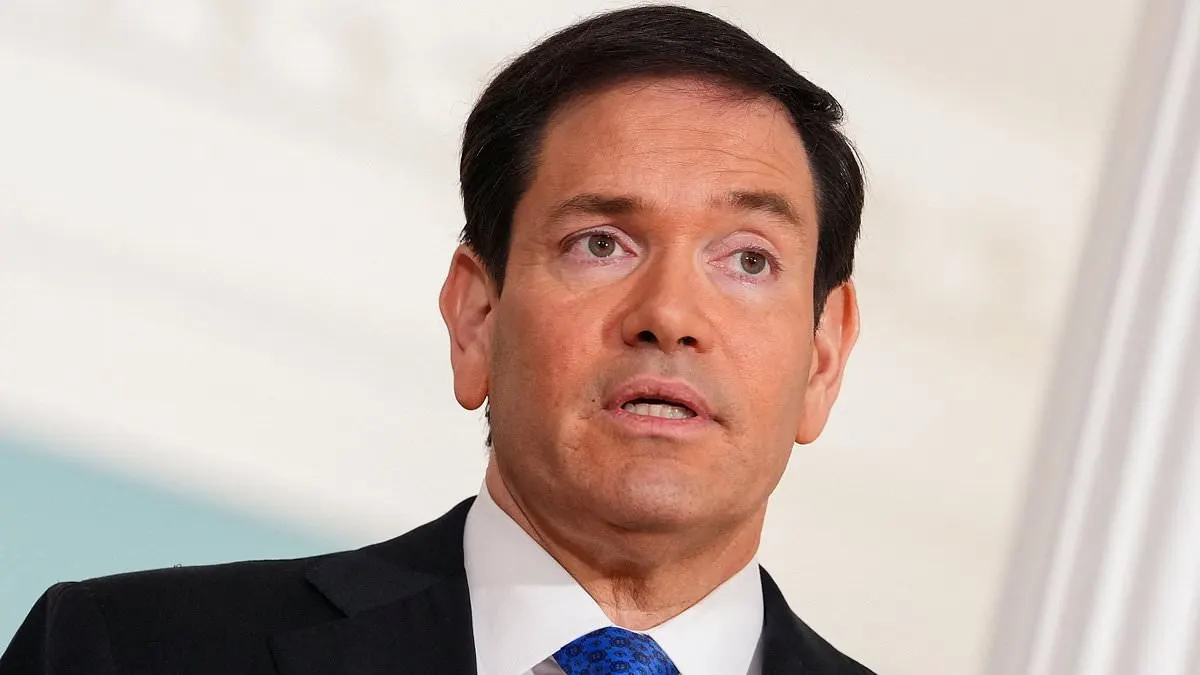
The Trump administration has imposed sweeping sanctions on the International Criminal Court (ICC), escalating its effort to weaken or dismantle the tribunal. Secretary of State Marco Rubio called it a “rogue court” and urged US allies to rein it in, while the UK and seven other countries reaffirmed their support for the ICC and said they strongly disagreed with the sanctions.
The measures restrict the court’s access to US financial services, technology companies and US dollars, and give US businesses and individuals six months to end dealings with it. The US objects to the ICC’s investigations into US troops’ actions in Afghanistan and its arrest warrant for Israeli Prime Minister Benjamin Netanyahu; neither the US nor Israel recognises the court’s jurisdiction. The ICC says the sanctions threaten its work and the international rule of law, and has appealed to member states for practical support.
- The US has imposed broad sanctions on the ICC.
- US-linked businesses have six months to end dealings with the court.
- The UK and other allies have reaffirmed support for the ICC.
New here? Start with this
The International Criminal Court is a permanent tribunal based in The Hague that investigates and prosecutes individuals for war crimes, genocide and crimes against humanity. It was created by international agreement to hold people accountable when their own countries are unwilling or unable to do so.
The United States has never recognised the ICC's jurisdiction and has long distrusted the court, chiefly because it has investigated American military conduct in Afghanistan and issued an arrest warrant for Israeli Prime Minister Benjamin Netanyahu. Though many other countries support it, neither the US nor Israel accepts the court's authority.
The dispute reflects disagreement about international accountability: the court represents an effort by much of the world to establish independent scrutiny of serious crimes, whilst the US fears it could target American citizens or allies. Whether global institutions can function when major powers oppose them, despite broader support, remains an open question.
Both sides, in good faith
The strongest fair case each way — we don't pick a winner.
The case for
The US and allied nations argue that the ICC operates beyond its proper jurisdiction, investigating American troops and allies without consent, thereby violating national sovereignty. They contend that well-established national legal systems are more appropriate for judging their own citizens, and that the court's apparent selective focus on Israel whilst investigating Western powers demonstrates institutional bias. This perspective values the protection of citizens from external bodies they do not recognise, and asserts that pressure is necessary to constrain an institution that has overreached its mandate and proven unreliable as an impartial arbiter.
The case against
Proponents of the ICC argue that international accountability mechanisms are essential safeguards against impunity, and that powerful nations cannot credibly claim commitment to the rule of law whilst simultaneously defunding or sanctioning courts that investigate them. They contend that allowing any state to withdraw support when inconvenient would collapse the entire system of international justice, creating a two-tier framework where powerful nations face no consequences. This position prioritises the principle that accountability for serious crimes should transcend national borders and political convenience, believing that universal application of law strengthens rather than weakens international order.
Americas Geopolitics Politics World
Read the full article at the source →
Originally published by Daily Mail as “Trump administration announces sweeping sanctions on ICC as Marco Rubio dubs it a ‘rogue court’”.