BP puts North Sea oil and gas business up for sale
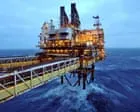
BP has begun a formal sale process for its North Sea oil and gas business, signalling the end of its six-decade production presence in the basin. The move is part of new chief executive Meg O’Neill’s effort to simplify BP and reduce debt, although the company says the UK will remain important to its wider operations. It is significant because the sale raises questions about the future of North Sea employment, investment and Britain’s energy policy.
BP entered the UK North Sea in 1964 and made major discoveries including the West Sole gasfield and Forties field. The UK continental shelf had produced 47.7bn barrels of oil equivalent by the end of 2024, with 2.9bn barrels of reserves still estimated to remain, alongside contingent and prospective resources. The energy secretary said the government was in contact with BP and would seek to protect workers and local communities, while critics and analysts disagreed over what the exit says about the basin’s future.
In short
- BP is seeking to sell its North Sea oil and gas business.
- The sale supports BP’s debt-cutting and portfolio simplification plans.
- Ministers promise protections for affected workers and communities.
Steelman: both sides, in good faith
The strongest fair case each way — we don't pick a winner.
The case for
Selling the North Sea business could help BP simplify its operations and reduce debt, freeing capital for other investments while a new owner may bring a clearer focus to the basin’s remaining resources. A sale need not mean production or jobs end, and could allow the assets to continue operating under a company better suited to managing mature fields.
The case against
BP’s departure after six decades could weaken confidence in the North Sea as a place to invest, with consequences for jobs, supply-chain businesses and the communities that depend on them. Critics may also argue that selling mature assets does not resolve Britain’s energy-policy choices: without a credible plan for workers and future supply, the transition could leave economic and energy-security costs behind.
Explained simply
The North Sea is a large area of sea between Britain and northern Europe, where oil and gas have been produced for decades. BP began working in the UK part of the basin in 1964 and helped develop major fields, including Forties, which became one of Britain’s best-known oilfields.
BP is one of the world’s largest energy companies, and Meg O’Neill is its chief executive. The UK North Sea still has estimated oil and gas reserves and resources, but production has declined from earlier highs; companies’ decisions about investment shape jobs and activity in coastal communities.
The sale matters because a new owner could influence the future of BP’s North Sea operations and the workers and businesses linked to them. It also comes amid debate over how Britain should balance domestic energy production, employment and investment with its wider energy policy.
Business Companies Software Technology