BRIAN HARRELL: America’s AI revolution can’t charge forward without lots of energy
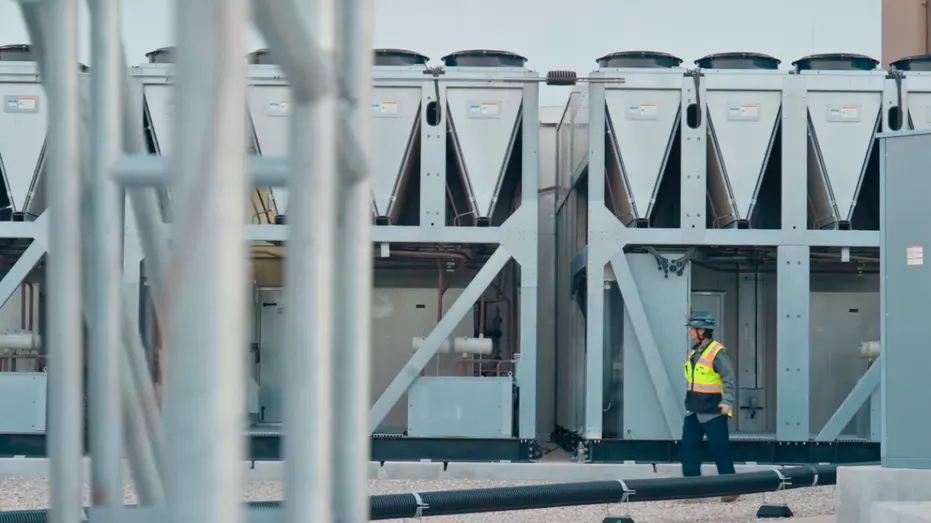
The article argues that the United States’ effort to lead in artificial intelligence depends on expanding reliable, affordable electricity supply and the infrastructure to deliver it. It presents utilities as strategic partners in economic competitiveness and national security, saying insufficient power could slow data centre development and weaken America’s position in the global AI race.
The author says new power plants, transmission lines and substations can take years to plan and build, while data centre developers want to move quickly. He calls for earlier coordination, faster permitting and agreements that make technology companies pay for the added infrastructure they require, protecting households and small businesses from higher bills or costs left behind if projects are cancelled. The supplied article text ends mid-sentence, so its final argument is not available.
In short
- AI leadership depends on reliable, affordable electricity.
- Data centres need major investment in power and grid infrastructure.
- The author says tech companies should bear the expansion costs.
Steelman: both sides, in good faith
The strongest fair case each way — we don't pick a winner.
The case for
Supporters argue that AI data centres need large amounts of dependable electricity, and that building generation and grid infrastructure ahead of demand could help the United States attract investment and maintain economic and strategic competitiveness. They favour faster planning and permitting, with technology companies contributing to the costs their projects impose, so that needed upgrades can proceed without shifting undue costs to households and small businesses.
The case against
Critics could argue that treating AI expansion as a national priority risks locking in costly power projects before the scale and public value of future demand are clear. They may favour requiring developers to bear the full costs and meet stronger planning and environmental safeguards, while questioning whether faster permitting is justified if it reduces scrutiny or diverts investment from other energy and infrastructure needs.
Explained simply
Artificial intelligence systems are built and run on computers, often in large data centres that use substantial amounts of electricity. As US technology companies expand these facilities, the electricity supply and the networks that deliver it have become part of the debate about how quickly the industry can grow.
Utilities operate power stations and the lines, substations and other equipment that carry electricity to homes and businesses. Building or upgrading this infrastructure can take years, while data centre projects may be planned on a shorter timetable. The issue matters because the cost and reliability of electricity could affect both AI development and the bills paid by other customers.