Britain’s new breed of ‘boy racers’ risking YOUR lives for kicks and clicks: MIMI YATES goes undercover at the UK’s illicit car meets – and reveals the sinister motives behind the deadly trend coming to a town near you
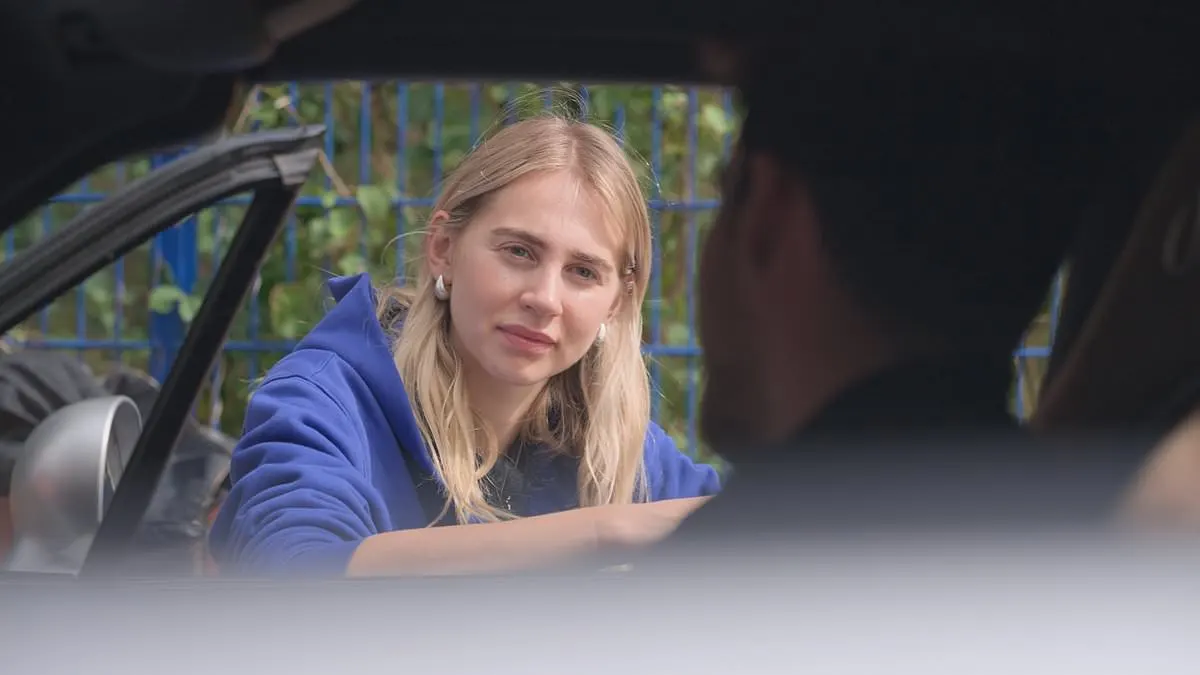
A journalist went undercover at illegal car meets across the UK, witnessing dangerous drifting stunts performed near crowds of spectators, including children. These events, advertised openly on TikTok and Instagram, represent a modern escalation of 1990s boy racer culture—amplified dramatically by social media, where stunts can reach millions of viewers within minutes. The scene is driven by competition for online attention and the thrill of dangerous driving.
Recent high-profile tragedies have intensified scrutiny of this phenomenon. The A66 crash near Middlesbrough killed five young men and two police officers, while five teenage boys died in a crash on an Irish motorway. Participants acknowledged that the scene "encourages people to drive dangerously" and that risky behaviour "spills on to the roads" both during and after these events, creating risks for the wider public.
- Journalist investigates illegal UK car meets where drivers perform dangerous stunts near crowds.
- Recent deaths have highlighted deadly consequences of social media-fuelled dangerous driving trends.
- Participants admit the trend encourages dangerous driving that extends beyond the meets.
New here? Start with this
Illegal car meets are gatherings where participants perform dangerous driving stunts such as drifting in front of crowds of spectators, often including children. These events are openly advertised on social media platforms like TikTok and Instagram, despite being unlawful.
This represents an escalated version of 1990s "boy racer" culture, now amplified by social media's ability to reach millions of viewers instantly. Participants are motivated by competition for online attention and the thrill of dangerous driving, with risky behaviour often spilling onto ordinary roads during and after these events.
Recent high-profile tragedies have highlighted the risks these gatherings pose to the public. The A66 crash near Middlesbrough killed five young men and two police officers. Those involved in the scene have acknowledged that these events encourage dangerous driving that puts ordinary road users at risk.
Both sides, in good faith
The strongest fair case each way — we don't pick a winner.
The case for
This phenomenon reflects deeper issues of youth seeking community, identity and outlets for legitimate interests in car culture rather than primarily malicious intent. Sensationalising these events as a 'sinister deadly trend' risks oversimplifying complex social problems—lack of youth opportunity, inequality, identity-seeking—that enforcement alone cannot address. History suggests criminalisation without understanding root causes and providing legal alternatives simply drives such activities further underground. More productive responses would include regulated track days, genuine youth engagement, and social investment rather than moral panic.
The case against
These illegal meets pose documented public safety threats to innocent people—children, bystanders, and police officers—with recorded deaths to show for it. Social media amplification uniquely pressurises participants toward increasingly dangerous stunts and normalises risky driving amongst far broader youth populations. Participants themselves acknowledge these events directly encourage dangerous road behaviour extending beyond the meets. Regardless of sympathising with underlying youth circumstances, public safety demands enforcement action alongside social media accountability; preventing further deaths must take priority.