Budget 2026 live: Burnham faces PMQs before Healey delivers budget
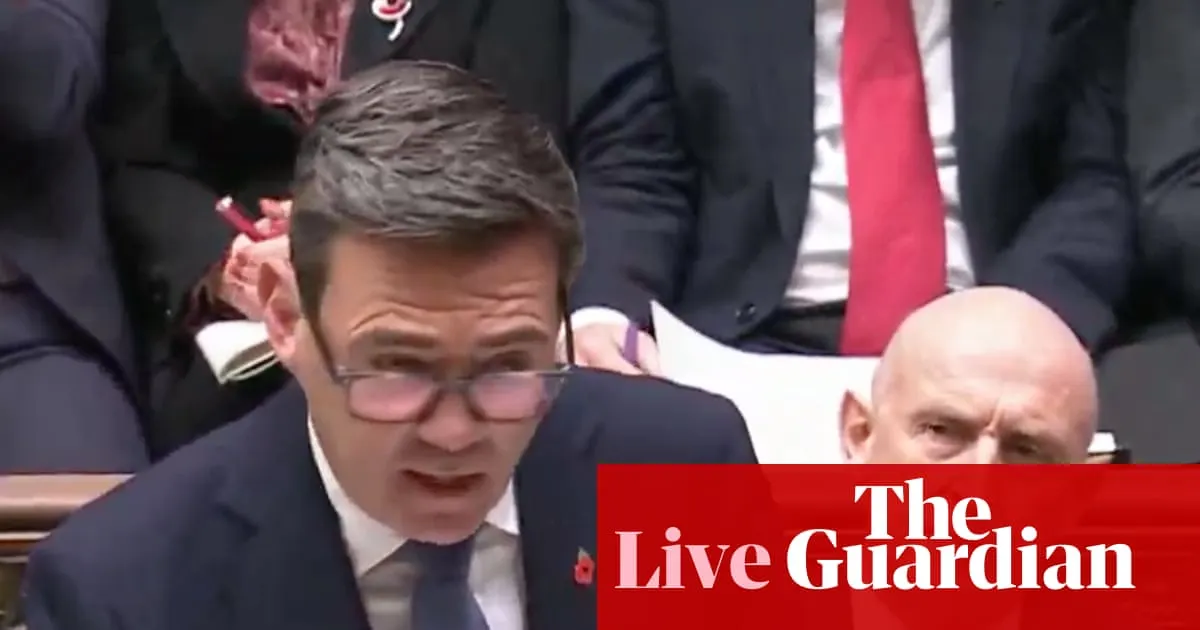
John Healey announced plans to give mayors more funding and control over local tax revenues, saying the changes would help them invest in their economies and infrastructure. The measures form part of a wider shift towards fiscal devolution, allowing more money raised in an area to be spent there.
Mayors will receive £1.5bn in additional devolved loans, while 20% of business rates revenues will go to them from next year. The government says 100% of business rates will be retained locally by the end of the decade; from 2028, mayors will also receive a share of income tax receipts and gain powers to introduce an overnight visitors levy.
In short
- Mayors are set to gain new funding and tax powers.
- An extra £1.5bn in devolved loans was announced.
- All business rates are due to be retained locally by decade’s end.
Steelman: both sides, in good faith
The strongest fair case each way — we don't pick a winner.
The case for
Giving mayors more control over locally raised revenue could help them respond to local needs, plan long-term investment and support growth in infrastructure and businesses. Devolved loans and a share of business rates and income tax may also make local leaders more accountable for how money is raised and spent.
The case against
Shifting revenue and borrowing powers to mayors could widen differences between areas, since places with stronger tax bases may be better able to fund services and investment. It may also make the funding system less transparent or consistent nationally, while new levies and local control over revenues could add costs for businesses, visitors or residents.
Art Business Culture Government Politics UK World