Budget will unveil £70billion borrowing to pay welfare bill, city experts warns
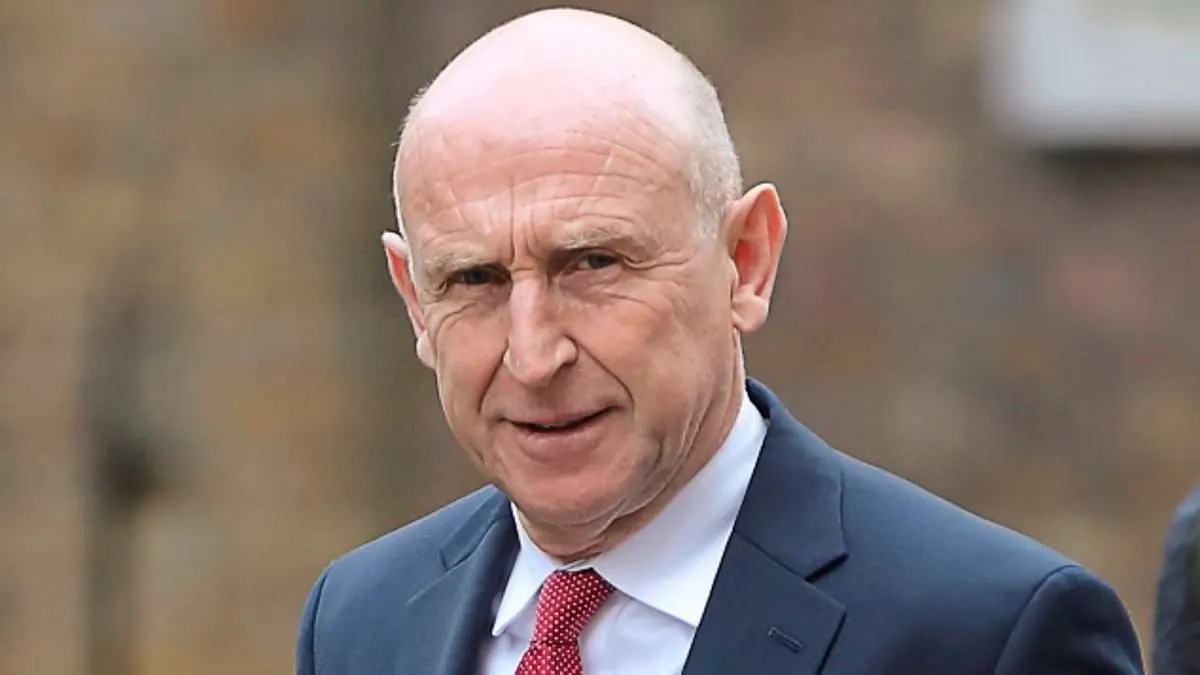
City economists predict that Chancellor John Healey’s Budget will set out about £70 billion in additional borrowing over the coming years to cover rising debt interest and welfare costs. The forecast matters because it would add to public debt and leave difficult spending choices, including defence and benefits, for the Government to address later.
The article says the Government’s borrowing was already £6 billion higher than the Office for Budget Responsibility forecast in the spring, while debt exceeded £3 trillion and monthly interest costs reached a record £10.9 billion. Higher borrowing could add £70 billion to public sector net debt by 2031–32, according to Deutsche Bank economist Sanjay Raja; Healey is also reported to be considering tax rises for banks and gambling firms, and investment funding for the British Business Bank and National Wealth Fund.
In short
- City experts forecast £70 billion in extra borrowing.
- Debt has topped £3 trillion, with record monthly interest costs.
- Defence and benefits decisions may be deferred.
Steelman: both sides, in good faith
The strongest fair case each way — we don't pick a winner.
The case for
Supporters of additional borrowing could argue that rising welfare needs and debt interest cannot be ignored, and that spreading the costs over time may avoid abrupt cuts to support or public services. If borrowing also funds investment through institutions such as the British Business Bank and National Wealth Fund, they may contend it can strengthen future growth and the tax base.
The case against
Critics could argue that borrowing around £70 billion more would add to a debt stock already above £3 trillion and expose public finances to further interest costs. They may say that relying on borrowing to meet ongoing welfare and debt-interest bills leaves difficult choices unresolved, risking pressure for later tax rises or cuts to services, benefits or defence.