Bulgaria election exit polls suggest Iliana Yotova will become country’s first elected female president – after she was endorsed by Moscow-friendly party
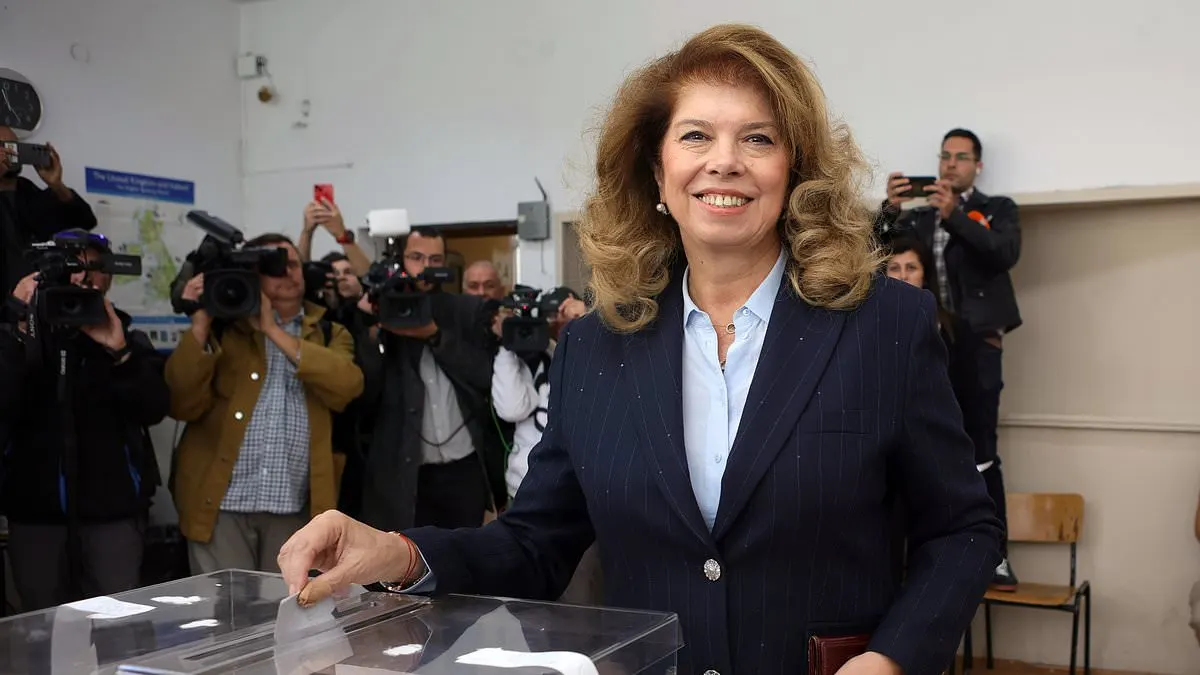
Exit polls suggest Iliana Yotova is set to win Bulgaria’s presidential run-off and become the country’s first elected female president. Her victory would keep the presidency aligned with the governing majority, prompting concerns that concentrated political power could weaken institutional checks and balances.
Yotova received about 52 per cent of the vote, against roughly 44 per cent for pro-Western candidate Andrey Gyurov; official results were expected on Monday. Yotova was endorsed by Prime Minister Rumen Radev’s Moscow-friendly party, which won 131 of Parliament’s 240 seats in April. She has backed Bulgaria’s European path while calling for closer relations with Russia and a diplomatic approach to the war in Ukraine.
In short
- Exit polls put Iliana Yotova ahead with about 52 per cent.
- She could become Bulgaria’s first elected female president.
- Her win may strengthen the governing majority’s influence.
Steelman: both sides, in good faith
The strongest fair case each way — we don't pick a winner.
The case for
Supporters could argue that Yotova’s projected win reflects voters’ choice and that a president broadly aligned with the parliamentary majority may help deliver a coherent programme. Her stated support for Bulgaria’s European path, alongside closer ties with Russia and diplomacy over Ukraine, may appeal to voters seeking a less confrontational foreign policy.
The case against
Critics could argue that placing the presidency in the same political camp as a strong parliamentary majority risks weakening checks and balances, especially if institutions have fewer incentives or opportunities to scrutinise government decisions. They may also worry that closer relations with Russia and a diplomatic approach to the war could pull Bulgaria away from its Western partners or soften its response to Russian actions.
Explained simply
Bulgaria is a parliamentary republic: voters elect the 240-seat National Assembly, while the president is chosen in a separate nationwide vote. The president represents the country and has some constitutional powers, but the prime minister and government handle most day-to-day decisions.
Iliana Yotova is a long-serving politician who has been vice-president and is backed by the party supporting Prime Minister Rumen Radev. Her rival, Andrey Gyurov, campaigned on a more explicitly pro-Western platform. Bulgaria is a member of both the European Union and NATO, and its ties with Russia and its response to the war in Ukraine are important issues in its politics.
Art Culture Elections Government Politics World