Burnham bounce is over, pollsters warn
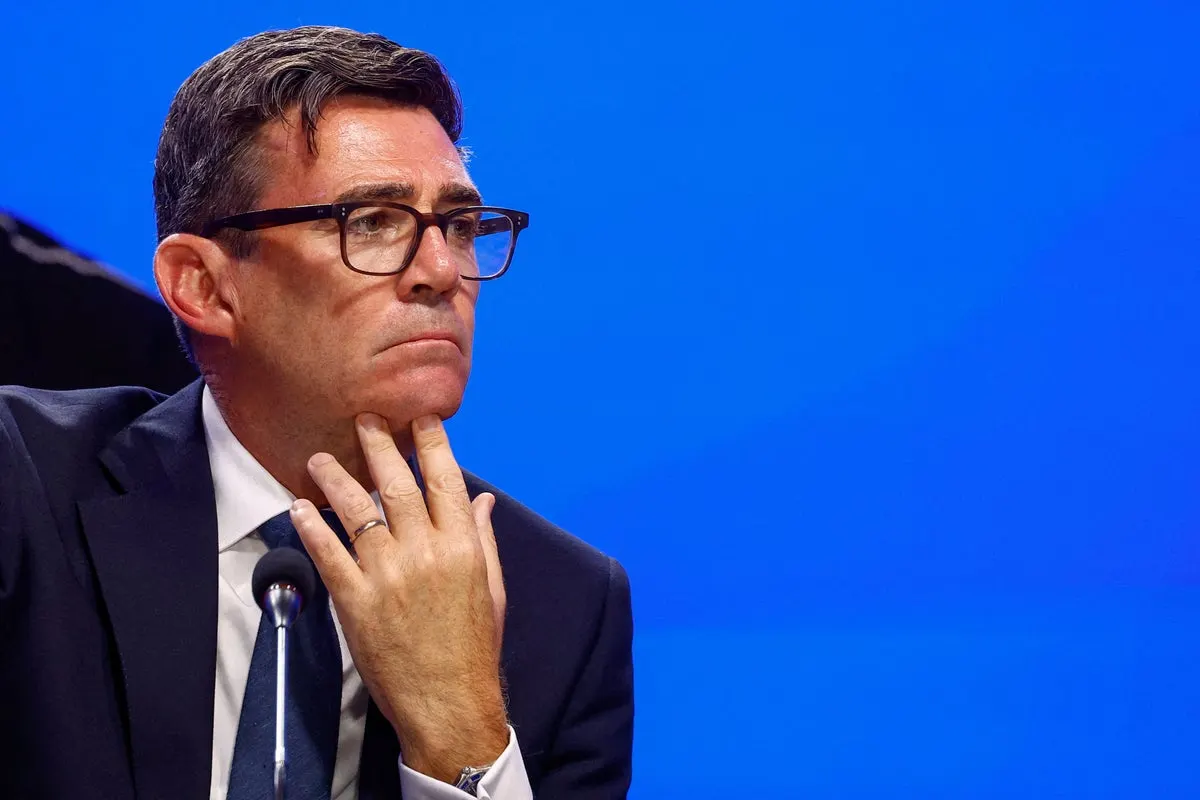
Leading pollsters say the "Burnham bounce" – the surge in Labour support after Andy Burnham replaced Sir Keir Starmer as prime minister on 20 July – has already fizzled out, with the party making no further gains and even slipping behind Reform UK in some surveys. This matters because it undermines any suggestion that Labour could benefit from calling an early general election to secure Mr Burnham a personal mandate, with experts saying there is no rational basis for doing so. It comes as Mr Burnham prepares to face MPs for the first time since taking office, under pressure to set out policies beyond his early summer giveaways ahead of a difficult October Budget.
Sir John Curtice said the bounce ended after roughly two weeks, with Labour's August lead over Reform averaging no more than one point, while Lord Robert Hayward suggested some of the boost may reflect declining support for Nigel Farage and Green leader Zack Polanski rather than genuine enthusiasm for Burnham. Polls from 17-23 August showed Labour static or falling in five of six surveys, with figures ranging from a Politico poll putting both parties level on 23 per cent to a BMG poll giving Labour a four-point lead; Labour's support sits in the mid-20s, well below its 32 per cent share at the 2024 election.
- Pollsters say Labour's post-Burnham poll surge has already peaked
- Experts see no rational case for an early general election
- Labour trails its 2024 vote share despite narrow leads over Reform
New here? Start with this
Andy Burnham is a Labour politician who became prime minister after replacing Keir Starmer. Labour won the 2024 general election with 32 per cent of the vote, but its support has since fallen to the mid-20s in opinion polls.
The Conservatives and Reform UK are among Labour’s main rivals, while the Greens are another smaller party. Polls estimate how people might vote in an election; they can vary between companies and do not determine the result.
An early general election could give a new prime minister a chance to seek voters’ backing, but it would also carry political risks. The government must also set out its plans for public spending and taxes in the October Budget.
Both sides, in good faith
The strongest fair case each way — we don't pick a winner.
The case for
A short-lived polling bounce does not necessarily mean Burnham lacks a mandate or that an early election would be pointless: polls capture a moment, and a new leader may need time to set out a programme and show how it would be funded. Supporters could argue that an election would let voters judge his policies directly and give a new government clearer authority to act.
The case against
The reported surveys suggest Labour’s initial gains have stalled, leaving it around the mid-20s and sometimes level with or behind Reform. Opponents of an early election could argue that this offers no clear evidence of a public mandate, while campaigning before the October Budget and without a fuller policy programme risks putting party advantage ahead of sound government.