Politics news and discussion on TalkFuse.
Burnham ‘open’ to calls for slavery apology but not reparations
Developing story first seen 4 days ago
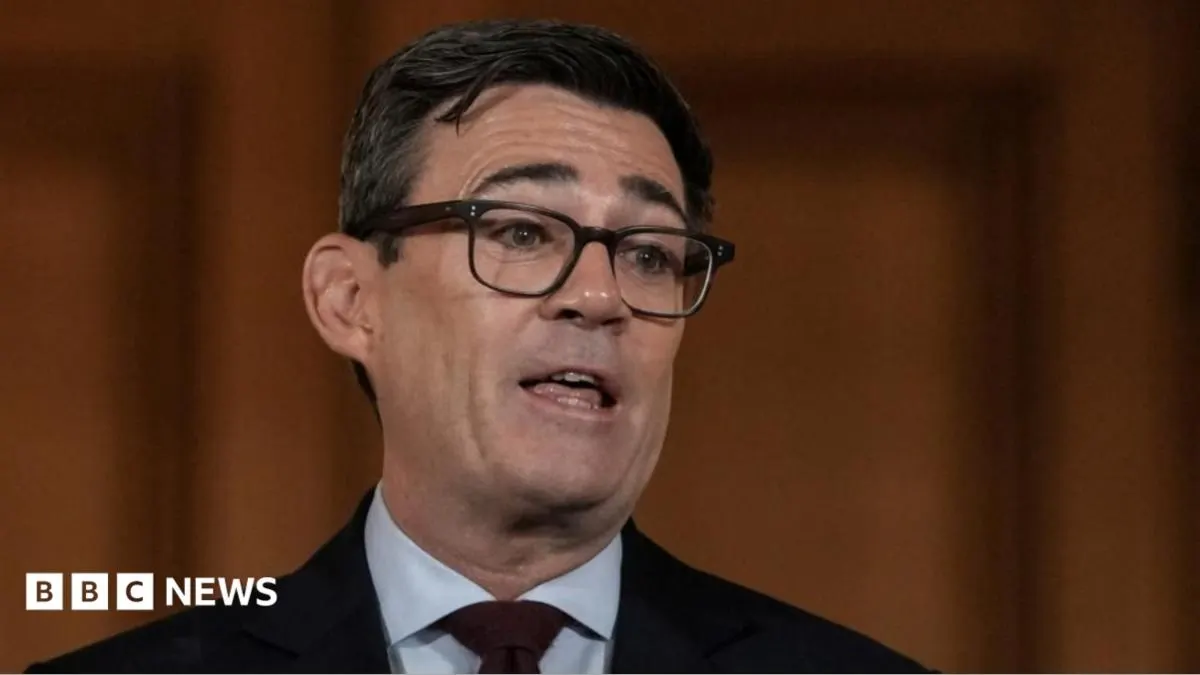
Andy Burnham says he is open to calls for a formal UK apology for its role in the transatlantic slave trade, while rejecting financial reparations. He says Britain should face its past through a structured dialogue with affected communities, as renewed calls for an apology coincide with the Commonwealth leaders’ summit in the Caribbean.
The British government has never formally apologised or offered reparations. Burnham argues people today should not be financially liable for historical wrongs; supporters of an apology say acknowledging Britain’s role is not enough. Conservative leader Kemi Badenoch opposed taxpayer liability, while Liberal Democrat leader Ed Davey said Britain has a duty to apologise.
- Sources
- 2
- Outlets
- 2
- Left · Centre · Right
- 0 · 1 · 1
In short
- Burnham is open to a formal state apology.
- He says financial reparations are not the answer.
- The debate comes ahead of a Commonwealth summit in the Caribbean.
How this story developed
- 1 hour ago Andy Burnham says he is open to calls for a formal UK apology for its role in the transatlantic slave trade, while rejecting financial reparations.
Where outlets differ
Centre outlets 1
Only here: open, slavery
Right-leaning outlets 1
Only here: openness, reignites, caribbean, royal, tour
Every side used: burnham, calls, apology, reparations
Headline columns compared word for word; nothing in them is AI-written.
Steelman: both sides, in good faith
The strongest fair case each way — we don't pick a winner.
The case for
A formal apology could acknowledge the UK’s role in the slave trade and its lasting harms, offering recognition to affected communities without imposing financial liability on people today. Structured dialogue could help determine what meaningful acknowledgement should involve and show that the country is willing to confront its history.
The case against
An apology alone may be seen as inadequate when the harms of slavery and its legacy are still felt, and could substitute symbolic recognition for more substantive redress. Advocates of reparations can argue that public responsibility for historical injustice need not mean personal blame for people alive today, and that financial measures deserve consideration alongside acknowledgement.
Coverage · 2 sources
Bias meters
From 2 rated sources.
Geopolitics Government Politics UK World