Politics news and discussion on TalkFuse.
Burnham pledges £40m in aid for Caribbean amid calls for reparations over UK’s role in the slave trade
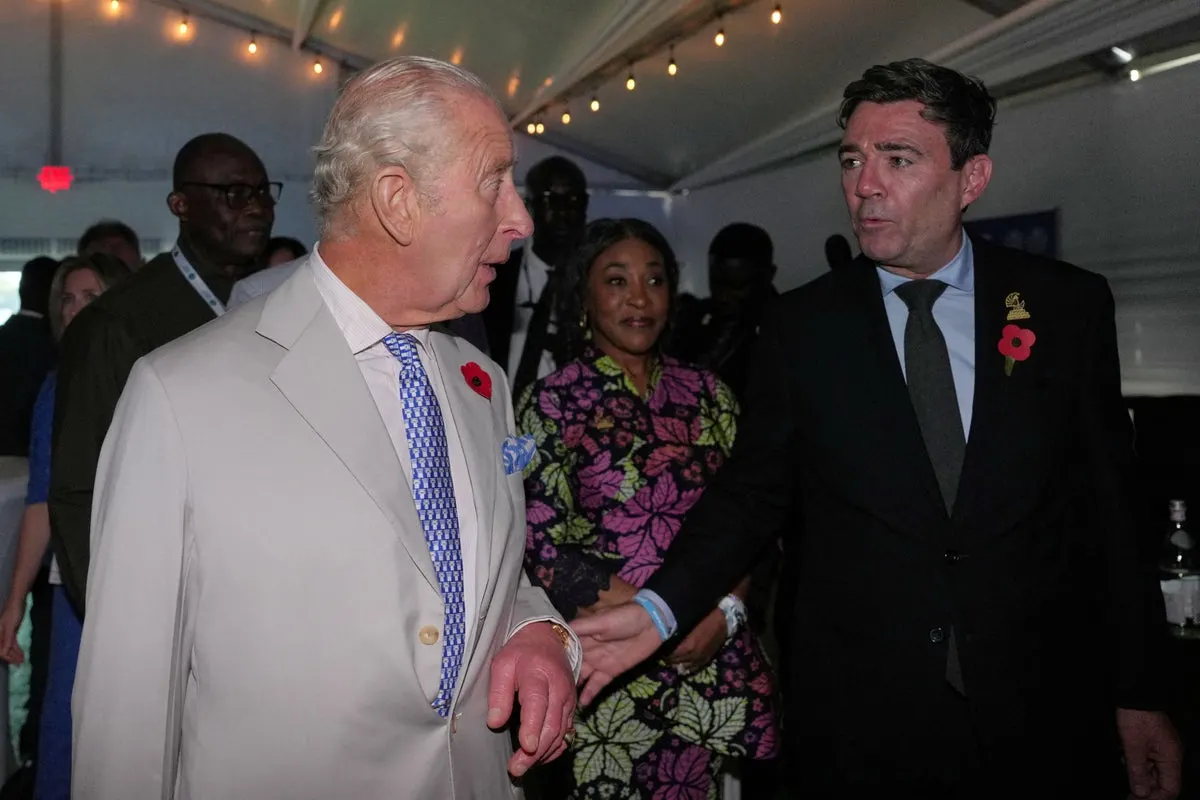
Andy Burnham has pledged £40m in aid for Caribbean countries, amid renewed calls for Britain to apologise and provide reparations for its role in the transatlantic slave trade. The funding is intended to support infrastructure, including green energy, while Burnham says he is open to discussing a formal apology but rules out direct financial compensation.
At the Commonwealth leaders’ summit in Antigua and Barbuda, Burnham is also expected to propose a “debt reset” to help poorer member states manage repayments and higher interest costs. Britain plans to lead two task forces on critical minerals and supply chains, and on trade and investment, with both due to report at the next summit. Antigua and Barbuda’s prime minister, Gaston Browne, has called for an apology, while Conservative leader Kemi Badenoch opposes one, arguing it could prompt demands for compensation.
In short
- Burnham pledged £40m for Caribbean infrastructure and green energy.
- He is open to an apology but ruled out direct reparations.
- A debt reset and two Commonwealth task forces are also planned.
Steelman: both sides, in good faith
The strongest fair case each way — we don't pick a winner.
The case for
Supporters of an apology and reparations argue that Britain’s role in the slave trade caused lasting harm, and that acknowledging this history is a matter of justice and respect for affected communities. They may see aid, debt relief and investment as useful contributions, while arguing that these should accompany a formal apology and a serious discussion of reparative measures.
The case against
Opponents of an apology or direct compensation argue that present-day Britons should not be held financially liable for actions committed by people and institutions in the past, and that defining responsibility and compensation would be difficult and divisive. They may favour practical support such as infrastructure funding and debt relief, which can help Caribbean countries now without creating an open-ended compensation claim.
Explained simply
The transatlantic slave trade forcibly transported millions of Africans to the Caribbean and other parts of the Americas, where they were enslaved, often on plantations. Britain was a major participant in the trade, which was abolished by law in 1807; slavery in most British colonies ended in 1834.
Caribbean governments and campaigners have called for Britain and other countries involved to acknowledge the lasting effects of slavery and consider reparations. The term can cover measures such as investment, debt relief or formal apologies, as well as direct payments, and there is no single agreed approach.
Andy Burnham is the UK’s prime minister, while Gaston Browne leads Antigua and Barbuda and Kemi Badenoch leads the Conservatives. The debate matters to relations between Britain and Caribbean countries and is taking place alongside discussions about development funding, debt and trade among Commonwealth members.