World news and discussion on TalkFuse.
Burnham puts final touches to deal that spells the start of EU surrender
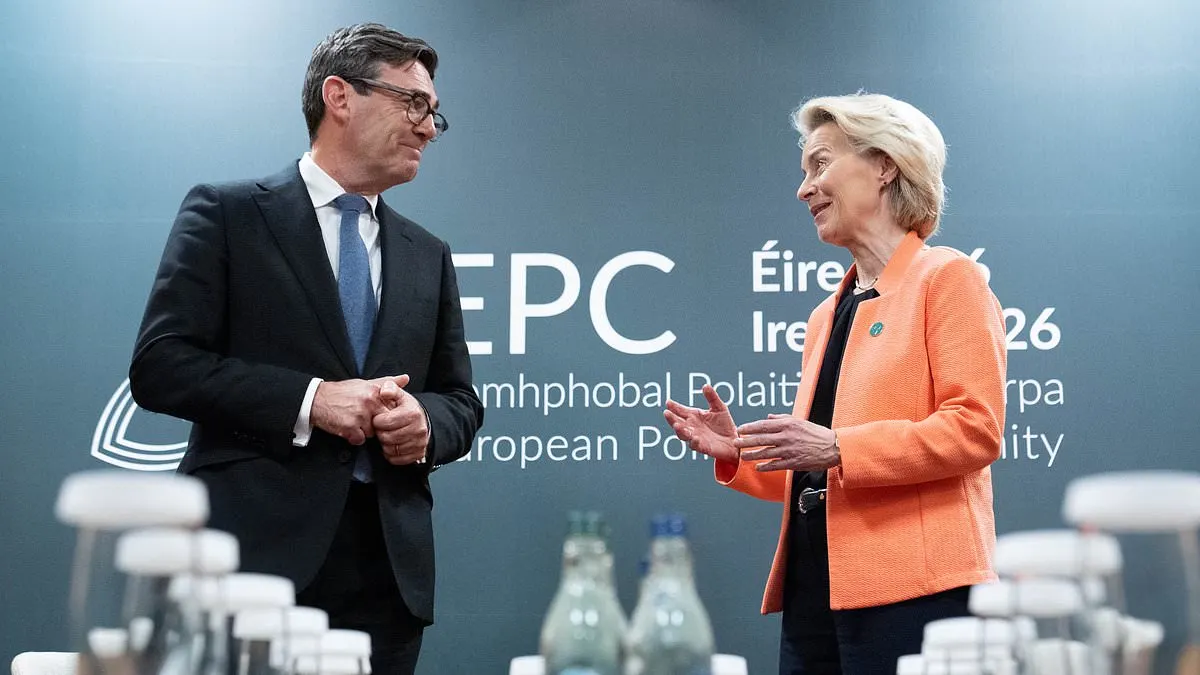
Andy Burnham is preparing to finalise a Brexit “reset” with the EU, which critics say would give Brussels greater influence over UK rules. The government argues that closer alignment could reduce barriers to food exports and support economic growth, while negotiations were still under way ahead of a meeting with Ursula von der Leyen.
The proposed terms include aligning with EU food and farming regulations, fast-tracking some rules into UK law, and allowing up to 100,000 young Europeans a year to come to the UK for work. The article also cites a possible £485 million annual cost to subsidise tuition for European students and a Treasury estimate that the deal could add 0.4 per cent to GDP, or £12 billion, over 10 years. Opposition leaders argue the concessions would make the UK a rule-taker; the government says the current arrangements are not working.
In short
- The UK and EU are negotiating a Brexit reset.
- Plans include EU rule alignment and 100,000 young workers yearly.
- Treasury estimates a potential £12bn economic boost over 10 years.
Steelman: both sides, in good faith
The strongest fair case each way — we don't pick a winner.
The case for
Closer alignment with EU food and farming rules could reduce checks and other barriers for British exporters, while a more predictable trading relationship may support investment and growth. Supporters could argue that limited, negotiated cooperation is a practical way to improve the current arrangements while retaining the wider benefits of Brexit, and that youth mobility can strengthen cultural and economic ties.
The case against
Critics could argue that adopting EU rules, especially if some are fast-tracked into UK law, would constrain Britain’s ability to set its own standards without giving it a corresponding role in making those rules. They may also question whether the projected economic gains justify the financial costs and new mobility commitments, and see the package as weakening the democratic case for Brexit.
Explained simply
The UK left the European Union in 2020, ending its membership of the bloc and its single market. Since then, trade between the UK and EU has been governed by new arrangements, including checks and rules for goods crossing borders.
The UK government and EU are discussing closer cooperation in areas such as food and farming, where shared rules could make trade easier. The proposals also include a scheme for young Europeans to work in the UK, while some UK politicians argue that following EU rules could limit Britain’s freedom to set its own laws.
The debate centres on the balance between easier trade and control over domestic rules. The government says closer alignment could support economic growth; critics say it could give the EU too much influence over UK decisions.
Europe Government Politics UK World