Burnham says NO snap election… but leaves the door open for tax hikes
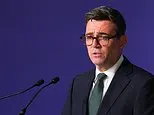
Andy Burnham has ruled out calling a snap general election despite talk of a "Burnham bounce" in Labour's poll ratings, but has signalled that tax rises could be on the way in the autumn Budget. Speaking during a series of interviews in Ukraine, the Prime Minister said the country was in a "challenging position" and that he would not be "unrealistic" about the cost-of-living support he can offer, prompting Shadow Chancellor Sir Mel Stride to accuse him of being unable to fund his commitments without raising taxes.
Asked whether the public would have to accept higher taxes to address issues such as the housing crisis, social care and a shortfall in the defence budget, Burnham said this "didn't necessarily" have to happen and insisted he would honour Labour's 2024 manifesto commitment not to raise National Insurance, income tax or VAT. He said any measures would be "carefully thought through" and "funded", with further announcements expected going into the autumn ahead of the October Budget. Sir Mel Stride said the problem lay with the Labour Party itself, claiming ministers including welfare secretary Pat McFadden wanted only to raise taxes to fund more benefits.
- Burnham rules out a snap general election despite favourable poll ratings.
- He admits the country is in a "challenging position" ahead of the Budget.
- Pledges to honour Labour's manifesto tax promises, but leaves room for other rises.
New here? Start with this
Andy Burnham became Prime Minister after a period of speculation about Labour's standing in the polls, with some commentators pointing to a "Burnham bounce" boosting the party's support enough that an early general election was seen as a possibility. He has now ruled that out, even as questions grow about how the government will pay for pressures on housing, social care and defence spending. Sir Mel Stride, the Shadow Chancellor, leads the opposition's response and has been pressing the government on how it plans to fund its commitments.
At the last general election, Labour promised not to raise National Insurance, income tax or VAT, the three taxes that raise the most revenue and affect most working people directly. Any tax rises the government wants to make would therefore need to come from other, less familiar levers, which is why attention is turning to what might be announced in the autumn Budget, expected in October. This is the government's annual statement setting out its tax and spending plans for the year ahead.
This matters because it touches on trust in a manifesto promise and on how much ordinary voters might end up paying, directly or indirectly, to cover gaps in areas like care for the elderly, housebuilding and the armed forces. The exchanges between Burnham and Stride reflect a wider argument about whether the government's spending commitments are affordable without new taxes, a debate likely to sharpen as the Budget approaches.