Politics news and discussion on TalkFuse.
Haigh declines to set a timetable for reducing welfare spending
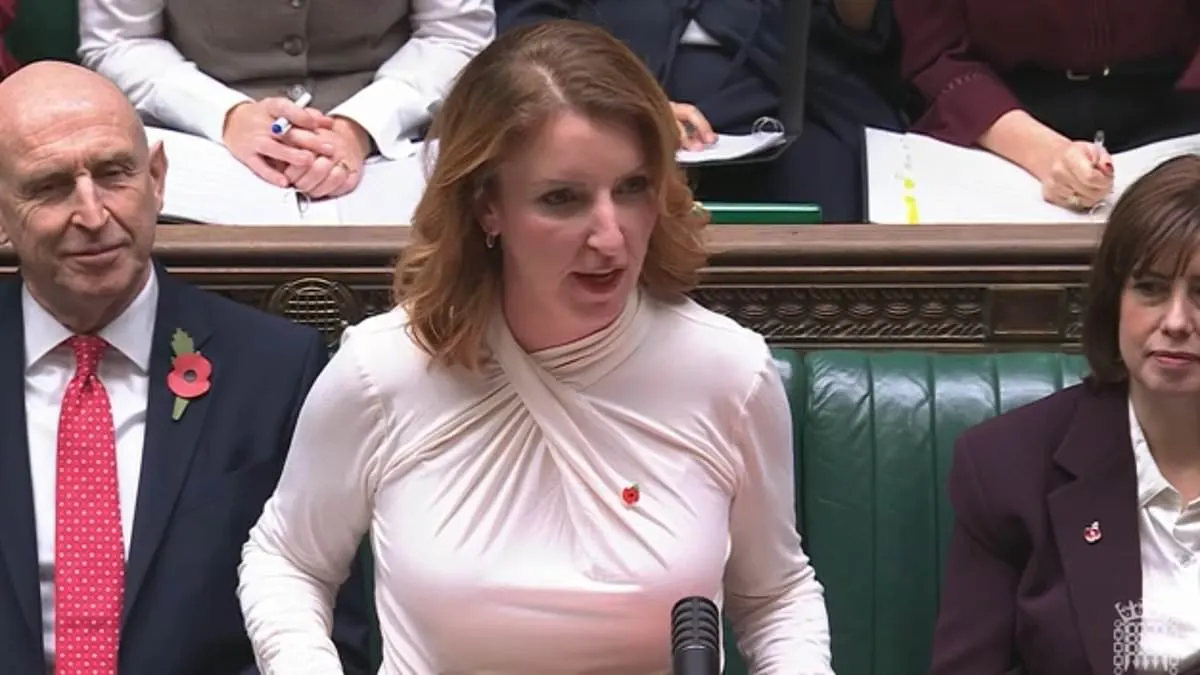
Louise Haigh, standing in for the Prime Minister in the Commons, repeatedly declined to say whether or when the Government would reduce the benefits bill before the next election. The exchange followed conflicting statements from Chancellor John Healey, leaving uncertainty over Labour’s timetable and approach to welfare spending.
Haigh said the Government had already taken steps and that the bill would come down, but gave no date or spending figure. Conservative frontbencher Alex Burghart said working-age welfare spending was £183 billion this year, describing it as a record; Healey later said he had not set a timetable for savings and that the bill would not necessarily fall during this Parliament.
In short
- Haigh gave no timetable for reducing welfare spending.
- Labour says the benefits bill will come down.
- Healey says he did not set a schedule for savings.
Steelman: both sides, in good faith
The strongest fair case each way — we don't pick a winner.
The case for
The Government can argue that welfare spending should be shaped by assessments of need and the effects of policy, rather than by a fixed deadline or headline savings target. Avoiding a premature timetable may preserve flexibility while reforms take effect and prevent uncertainty for people who rely on support.
The case against
Critics can argue that, with working-age welfare spending described as record high, taxpayers and claimants alike deserve a clear account of the Government’s intended direction and timescale. Without one, it is harder to judge whether reforms will contain costs, support people into work, or meet the Government’s stated aims.
Elections Geopolitics Politics World
Read the full article at the source →
Originally published by Daily Mail as “Burnham’s deputy squirms in Commons as she repeatedly refuses to commit to benefits cuts before next election”.