Burnham’s ex-adviser says he risks Truss-style crisis if public spending is not slashed – and calls Budget plans for a £2bn tax raid on banks ‘delusional’
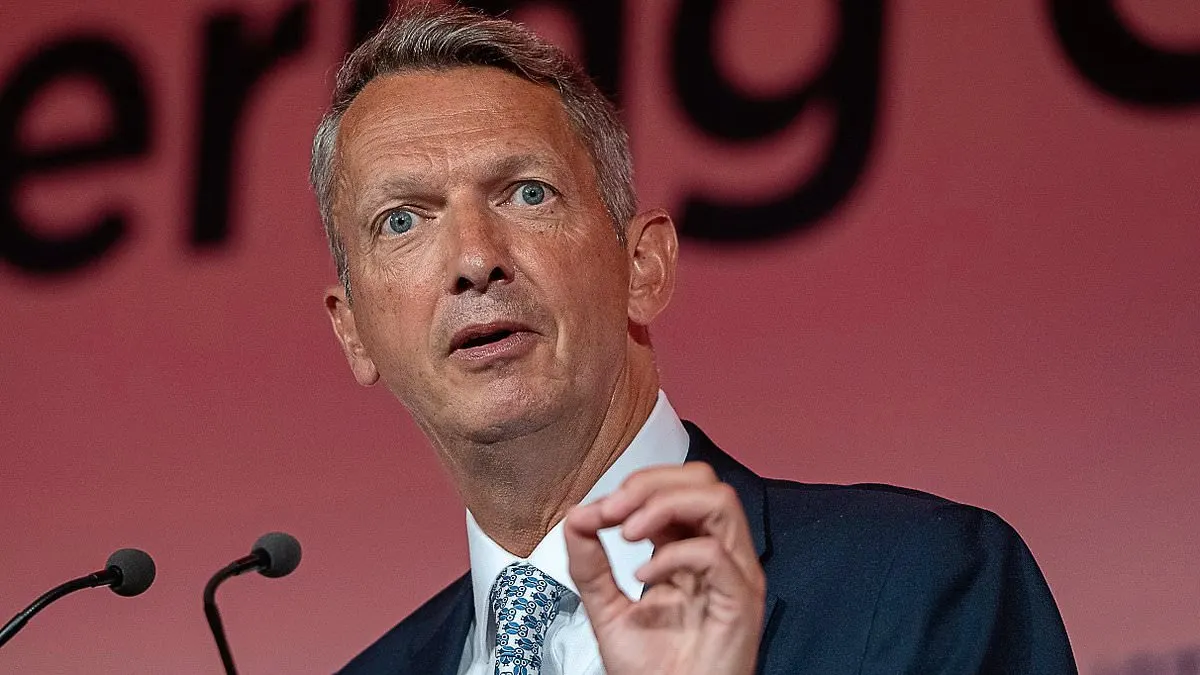
Former Bank of England chief economist Andy Haldane has warned that the Government risks a crisis resembling Liz Truss’s if it fails to cut public spending in the Budget. He said delaying difficult decisions could weaken public confidence and damage the economy, amid what he described as a precarious fiscal position.
Haldane argued that Britain is close to its limits on taxation and borrowing, and urged the Government to reduce taxes and the size of the state to support growth. He also criticised a proposed £2 billion tax increase on banks, saying customers and businesses could bear the cost. Barclays reported quarterly profits of £2.3 billion, up 12 per cent, while the bank surcharge on corporation tax currently stands at 3 per cent.
In short
- Haldane says spending cuts are needed to avert a fiscal crisis.
- He warns Britain is close to its borrowing and tax limits.
- He says a £2bn bank tax could be passed on to customers.
Steelman: both sides, in good faith
The strongest fair case each way — we don't pick a winner.
The case for
Haldane’s case is that high taxes and borrowing leave little room to respond to future shocks, while postponing spending choices could undermine confidence in the Government’s fiscal plans. Cutting public spending and avoiding a further bank tax, he argues, could support growth and reduce the risk that costs are passed on to customers and businesses.
The case against
A case for retaining public spending is that cuts can weaken public services and household support, and may also reduce demand and growth, making the fiscal position harder to improve. Supporters of a higher bank tax could argue that profitable banks can contribute more to public finances, and that the burden need not fall mainly on customers if the tax is designed and enforced effectively.
Explained simply
The Government must set out how it will pay for public services and manage the national debt, while deciding how much to raise in taxes and how much to borrow. These choices can affect economic growth, household finances and confidence in the UK economy.
Andy Haldane is a former chief economist at the Bank of England and previously advised Greater Manchester mayor Andy Burnham. Liz Truss was prime minister in 2022; her government’s unfunded tax-cut plans unsettled financial markets and contributed to a sharp rise in borrowing costs.
Banks pay corporation tax on profits, as well as a separate surcharge. Changes to bank taxes could affect banks’ profits and, depending on how they respond, the cost of borrowing or banking services for customers and businesses.
Culture Fashion Government Politics World