Council orders demolition of unauthorised flat concealed inside Cotswolds stables
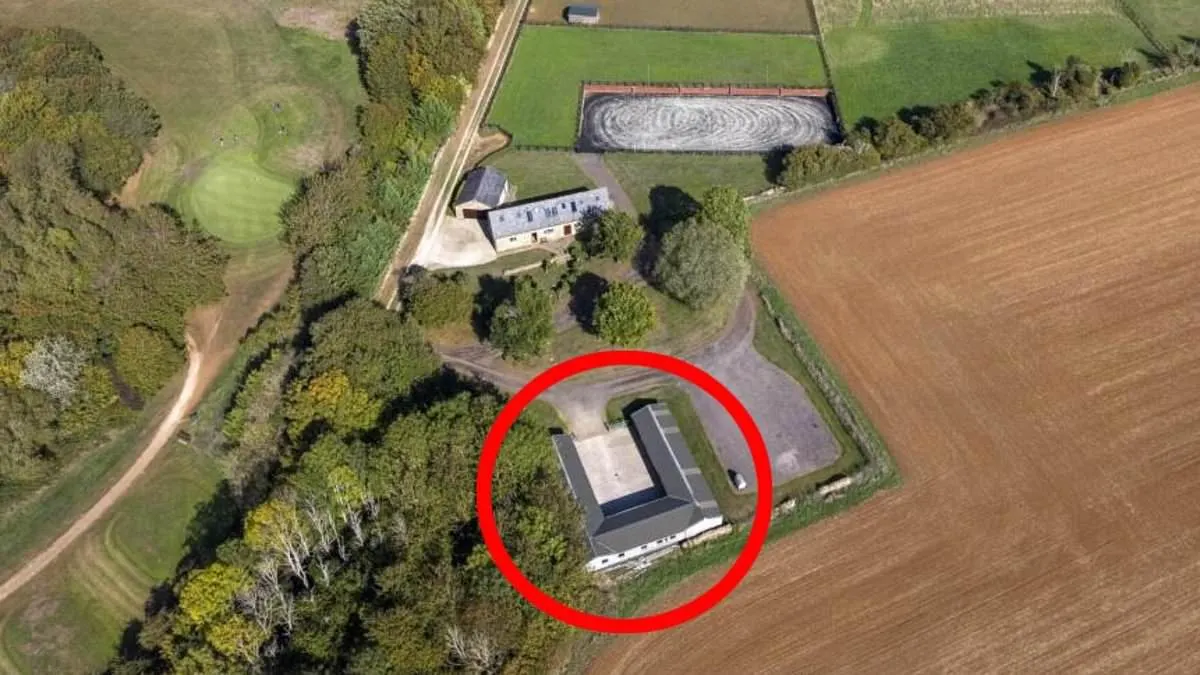
A wealthy haulage businessman has been ordered by West Oxfordshire District Council to demolish a one-bedroom flat he secretly built inside horse stables on his £2.25 million Cotswolds estate near Chipping Norton. The flat was concealed for more than a decade without planning permission for residential use, and the council has rejected his argument that it should be exempt from enforcement action.
James George claimed immunity under planning law, which typically protects unauthorized homes used continuously as residences for ten years. However, the council ruled the accommodation was "unlawful" because it was deliberately concealed—unregistered for council tax, with no separate postal address and hidden from view. The council stated there was little evidence the stables had been used for equine activities, and Mr George now accepts the decision whilst expressing frustration with what he views as an unjust outcome.
- Businessman ordered to demolish secret flat in horse stables built without permission
- Council rejected his claim to immunity, saying it was deliberately concealed
- The one-bed unit was hidden for over a decade on his £2.25m Cotswolds estate
New here? Start with this
Planning permission is a legal requirement in England when someone wants to build, convert or significantly alter a building. Without it, local councils can enforce the removal of unauthorised structures. The system exists to manage how land and buildings are developed.
English planning law includes a long-standing exemption: if an unauthorised building is continuously occupied as a home for ten years without council enforcement action, it typically becomes immune from demolition orders. This protection reflects a balance between the council's enforcement powers and fairness to people living in established homes.
The exemption can be complex to apply in practice. When a building has been concealed from authorities, councils must consider whether the ten-year protection still applies and what significance concealment should have in their enforcement decisions.
Both sides, in good faith
The strongest fair case each way — we don't pick a winner.
The case for
Planning law's ten-year immunity rule reflects a principle that long-established residential uses should gain legitimacy through time, as they represent settled expectations and integration into daily life. If a property has functioned as a home continuously for over a decade, the practical impact on the community remains identical regardless of whether authorities knew of it; enforcing demolition seems disproportionate punishment for administrative concealment rather than genuine planning harm, treating the businessman retroactively for what amounts to bureaucratic oversight rather than material disruption.
The case against
The ten-year immunity exists to recognise transparent, openly-established uses that become part of a community's understood character—not to reward deliberate evasion of planning scrutiny. By systematically concealing the flat, registering it for neither council tax nor postal address, the businessman deliberately prevented proper assessment of impacts and undermined the planning system's integrity. Allowing such concealment to justify immunity would incentivise others to hide developments and claim legitimacy after ten years, destroying enforcement credibility and hollowing out the purpose of planning permission itself.
Read the full article at the source →
Originally published by Daily Mail as “Businessman secretly living inside a ‘granny flat’ hidden inside a horse stable on his £2.25million Cotswolds estate for nearly TEN YEARS must tear it down”.