Technology news and discussion on TalkFuse.
Check a used phone’s IMEI before buying to spot potential problems
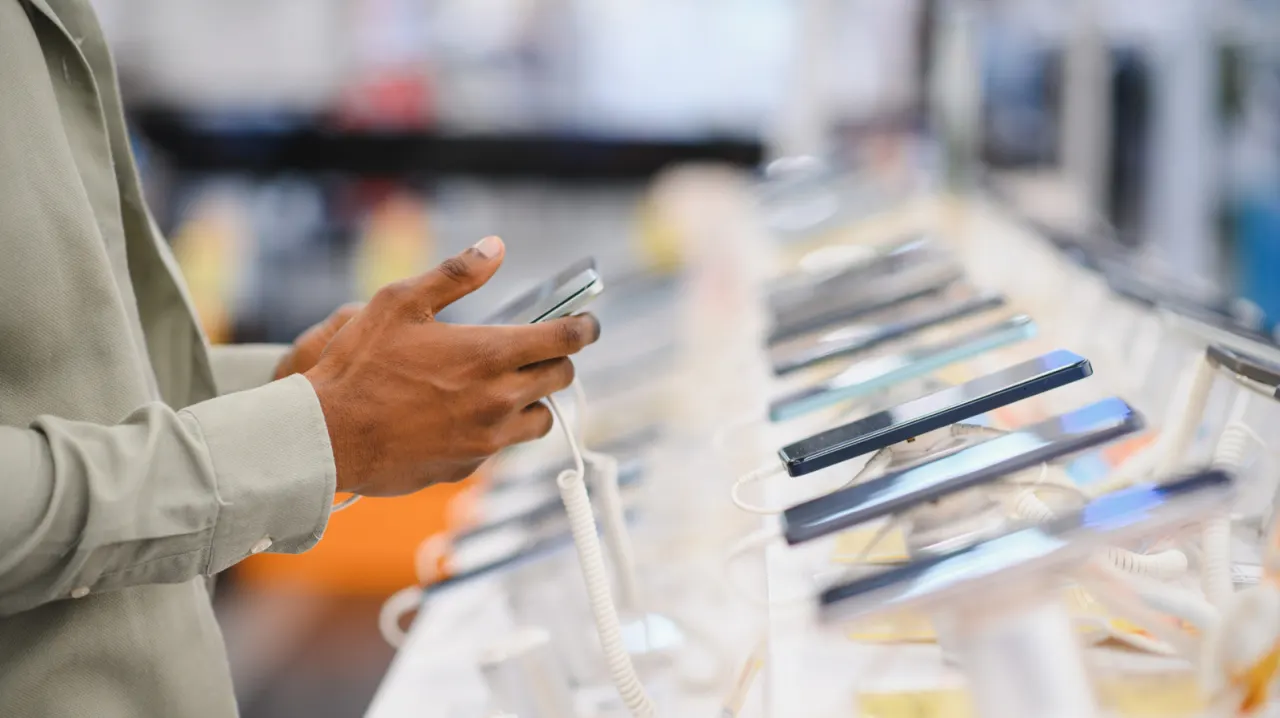
The article advises buyers to check a used phone’s IMEI before purchasing, as the number can help reveal whether the device has been reported lost or stolen and whether it will work on their network. Checking it is one precaution against scams in a growing pre-owned market.
An IMEI is a unique 15-digit identifier used by mobile providers to register and identify devices; providers can blacklist a phone reported lost or stolen. Buyers can ask the seller for the number and check it using a reputable service, researching any site first because some charge fees and others may be phishing scams. A seller’s refusal to provide the IMEI may be a warning sign, and the article recommends sharing it privately with serious buyers and keeping screenshots of the exchange.
In short
- Check a used phone’s IMEI before buying.
- It can flag a device reported lost or stolen.
- Research checking services to avoid phishing scams.
Explained simply
An IMEI is a unique 15-digit number that identifies a mobile phone to mobile networks. Providers may block a device if it has been reported lost or stolen, so checking its status can help buyers spot a possible problem before paying.
Used phones are sold by private sellers and businesses, and buyers may have limited ways to resolve issues after a sale. A seller can provide the IMEI for checking, but buyers should look into any checking service first, as some charge fees and others may be scams.
Read the full article at the source →
Originally published by Engadget as “Buying a used phone? Make sure to check the IMEI first”.