US cable groups to challenge FCC’s repeal of national TV ownership limit
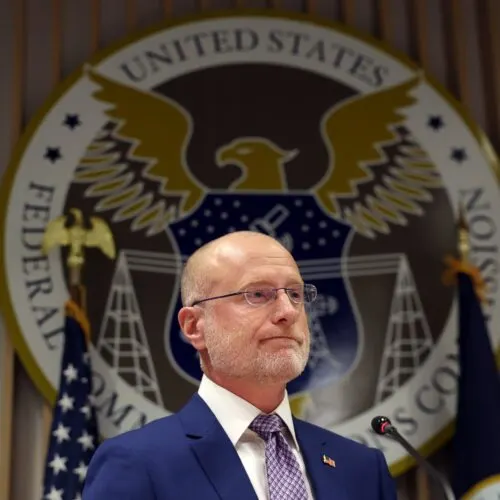
Cable industry groups plan to sue the Federal Communications Commission over its decision to repeal the national limit on broadcast TV ownership. They argue Congress set the limit in law and that removing it could let large station owners demand higher fees from TV providers, pushing up customers’ bills.
The rule capped any one owner’s potential reach at 39 per cent of US television households, a threshold Congress directed the FCC to set in 2004. The FCC voted to repeal it on 6 August and published its order on 1 October, saying it can reassess the rule and review mergers individually. The groups have asked the FCC to keep the cap in place while they pursue a court challenge; they say they will seek an injunction after filing in a US appeals court.
- Cable groups intend to challenge the FCC’s repeal of the TV ownership cap.
- The cap limits a broadcaster’s reach to 39 per cent of US TV households.
- The dispute centres on whether Congress or the FCC can change the limit.
New here? Start with this
Television ownership rules in the United States limit how much of the country's viewing population a single broadcaster can reach. In 2004, Congress directed the Federal Communications Commission to set this cap at 39 per cent of American television households. The rule was intended to prevent excessive consolidation in the broadcasting industry and preserve a diversity of media owners.
This cap was repealed in August this year. Cable and satellite television providers worry that without the limit, large television station owners could demand higher fees for carrying their channels, costs that would likely be passed on to consumers. The cable industry argues that Congress established this rule in law, and only Congress can change or remove it.
Both sides, in good faith
The strongest fair case each way — we don't pick a winner.
The case for
Congress explicitly mandated this ownership cap in law, giving the FCC a legal obligation rather than discretion to repeal it unilaterally. Beyond the authority question, consolidation risks remain genuine: larger station owners could wield greater market power to demand higher carriage fees from cable and streaming providers, ultimately raising costs for consumers. Individual merger reviews cannot adequately substitute for a structural safeguard that prevents problematic concentration before it occurs, and those seeking to overturn a congressionally-mandated consumer protection bear the burden of proving it genuinely obsolete rather than merely inconvenient.
The case against
The media landscape has transformed fundamentally since 2004 through streaming services, digital platforms, and cord-cutting that fragment audiences across countless options beyond traditional broadcast television. The FCC has longstanding authority to reassess regulations when circumstances change materially, and rigid adherence to outdated rules undermines effective modern regulation. Case-by-case merger review can address specific harms whilst allowing beneficial consolidation, and proportionate regulation requires revisiting rules periodically rather than locking in assumptions designed for a different era when competition came primarily from traditional broadcasters.
Entertainment Government Politics TV
Read the full article at the source →
Originally published by Ars Technica as “Cable lobby to sue Trump FCC over repeal of national TV ownership cap”.