Caleb Landry Jones on the Five-Year Battle to Make ‘Down the Arm of God,’ Confronting Prejudices Against Homelessness and How Luc Besson Saved the Film
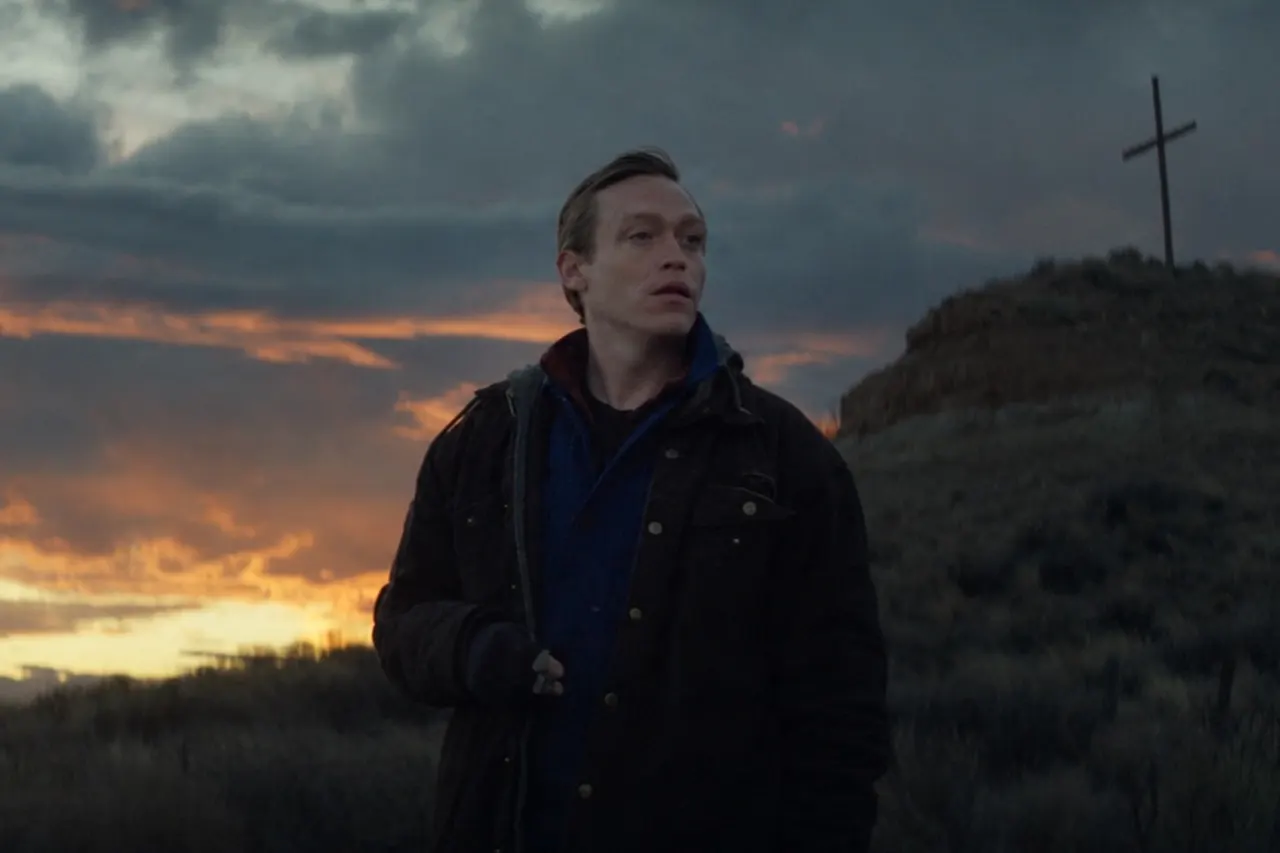
Caleb Landry Jones says it took five years to secure funding for ‘Down the Arm of God’, a drama about homelessness, community resistance and faith that will premiere at the Locarno Film Festival. The project faced concerns over its use of real homeless people and accusations it could risk appearing disrespectful or promote a “white saviour” narrative, underlining the sensitivities around portraying homelessness on screen.
Directed by Peter Brunner, the Texas-set film follows Jones as Nick, a pastor who shelters a homeless encampment in his church during winter and encounters escalating local hostility. Based partly on true events, it grew from a father-son story and was shaped through research with charities in Dallas, Austin and Amarillo; Luc Besson ultimately provided backing through EuropaCorp after seeing Jones struggle to finance it.
- Luc Besson helped rescue Jones’s homelessness drama after a five-year funding struggle.
- The film uses real homeless people and addresses representation concerns.
- ‘Down the Arm of God’ premieres at Locarno on 12 August.
Both sides, in good faith
The strongest fair case each way — we don't pick a winner.
The case for
Stories exploring homelessness and faith-based community responses serve valuable functions in expanding public understanding and potentially inspiring compassionate action. The filmmaker's evident commitment—demonstrated through years of development and extensive research collaboration with homelessness organisations across multiple Texas cities—suggests genuine engagement with the subject matter rather than superficial exploitation. Authentic representation using real individuals and settings, conducted with proper consent, captures lived experience with a power that fictional narratives cannot match.
The case against
Even carefully developed narratives risk perpetuating problematic patterns wherein non-homeless protagonists are centred as heroic figures, potentially eclipsing homeless people's own agency and capacity for self-determination. Involving real homeless individuals in film production raises substantive concerns about power dynamics, genuine benefit to participants, and whether consent is fully informed given structural vulnerabilities and precarity. The underlying 'white saviour' framework, however unintended, can reflect and reinforce systemic assumptions about who possesses narrative authority and whose stories deserve to be heard.