Jay-Z’s documentary revisits his career but leaves key questions unanswered
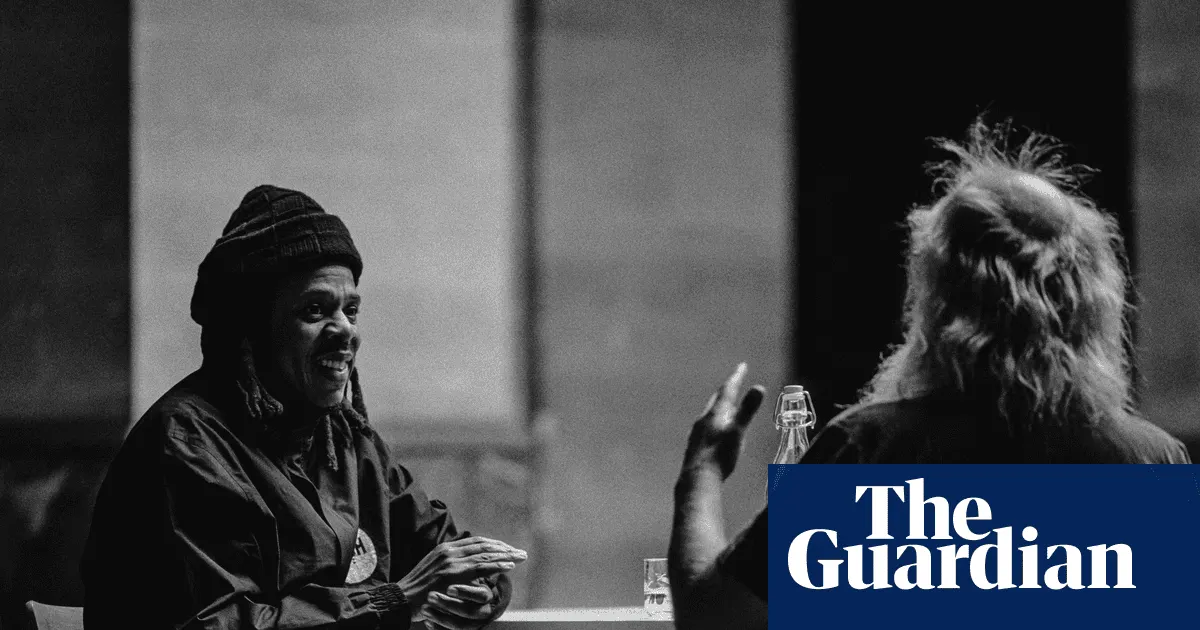
Jay-Z’s eight-part documentary series, *Jay-Z in 8*, revisits his life and three-decade music career, but the article argues it does little to repair his public image. Instead, the series gives him room to explain his views without meaningful challenge, leaving important questions about his influence and past decisions unanswered.
Filmed in 2024 and released by HBO, the series has producer Rick Rubin discuss Jay-Z’s songs with him in a spare setting. The article points to Jay-Z’s partnership with the NFL, which drew criticism over its relationship to Colin Kaepernick’s protest, and to the finale’s claims about racism and generational wealth. It also notes that the series includes candid references to his past and music-making, but says Rubin’s approving approach turns a potentially revealing conversation into hagiography.
- Jay-Z’s series revisits his life and career.
- Rick Rubin rarely challenges his claims.
- The article says the result is hagiography.
New here? Start with this
Jay-Z is one of the world's most successful rap artists and music entrepreneurs, with a career spanning over thirty years. He has been influential not just in music but in broader culture and business, from founding record labels to partnerships with major brands, and his decisions therefore attract significant attention and scrutiny.
HBO has released an eight-part documentary series called Jay-Z in 8, which explores his life and musical career through conversations with producer Rick Rubin. The series was filmed in 2024 and offers insight into his creative process and personal reflections on his work. It features discussion of his songs and career choices in a spare, intimate setting.
The documentary arrives amid ongoing questions about some of Jay-Z's decisions in recent years. His partnership with the NFL generated controversy over its relationship to the protests started by footballer Colin Kaepernick, who had criticised the league's handling of racial justice issues. The series explores racism and generational wealth in its final episode.
Both sides, in good faith
The strongest fair case each way — we don't pick a winner.
The case for
Documentaries can serve different purposes, and a long-form collaborative conversation between Jay-Z and producer Rick Rubin offers genuine value in exploring artistic vision and process through intimate dialogue rather than adversarial interrogation. The series does include candid reflection on past decisions, and sustained examination of a three-decade career spanning enormous cultural influence reasonably warrants an extended retrospective that prioritises depth of artistic insight over prosecutorial challenge.
The case against
Cultural documentaries about influential figures carry a responsibility to examine impact critically and hold subjects accountable on significant matters. When an eight-part series with substantial platform avoids meaningful challenge on contested decisions—such as the NFL partnership's complicated relationship to Colin Kaepernick's protest—it risks functioning as promotion rather than meaningful commentary. The public interest in understanding such influence arguably demands scrutiny, particularly when important questions remain deliberately unexamined regardless of conversational format.
Read the full article at the source →
Originally published by The Guardian as “The missed opportunity of Jay-Z’s documentary series”.