Culture news and discussion on TalkFuse.
California election workers hit with criminal subpoenas as Trump DOJ turns up heat in voting showdown
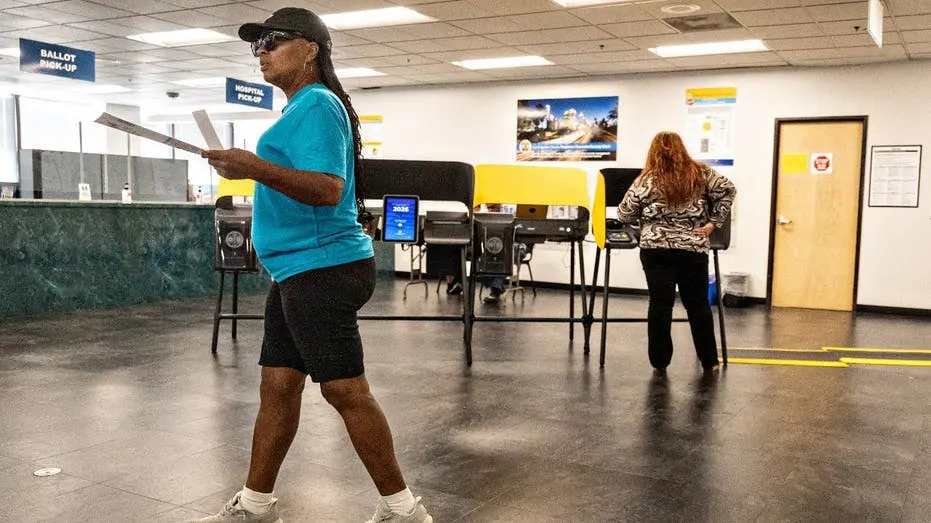
The Justice Department has issued criminal grand jury subpoenas to at least four California election workers, seeking information about safeguards against non-citizen voting and evidence of unlawful voting. The subpoenas came amid a dispute over the administration’s demand that California set aside ballots linked to more than 20,000 voters whose citizenship it questions.
A federal judge rejected that demand and called for threats to state and county employees to stop; the Justice Department has appealed. The department says a subpoena does not mean its recipient is a target and argues that alleged non-citizen voting should be addressed through criminal law. The article says the administration has cited examples of non-citizens registered to vote but has not established widespread illegal voting, while many of the ballots in question have already been cast and anonymised.
In short
- At least four California election workers received criminal grand jury subpoenas.
- A judge rejected the DOJ’s bid to set aside ballots linked to over 20,000 voters.
- Many ballots have been cast and anonymised, limiting the ability to identify them.
Steelman: both sides, in good faith
The strongest fair case each way — we don't pick a winner.
The case for
The Justice Department can argue that credible indications of non-citizens on voter rolls warrant investigation, and that grand jury subpoenas are a lawful way to establish what happened without implying that recipients are suspects. Enforcing voting laws through criminal investigations, it might say, protects election integrity and public confidence, while the appeal allows a higher court to review the dispute over the state’s handling of the ballots.
The case against
California officials and voting-rights advocates can argue that the administration has not shown widespread unlawful voting or justified setting aside ballots from more than 20,000 voters whose citizenship is questioned. Because many ballots have already been cast and anonymised, trying to isolate them risks undermining lawful votes; subpoenas and threats directed at election workers may also chill their work and weaken state authority over election administration.
Explained simply
In the United States, states and counties run elections and keep voter rolls, while federal law also sets rules for voting in federal elections. Non-citizens cannot vote in those elections, though some local elections have different rules. Election officials use registration checks to establish who is eligible and to correct records when information changes.
The Justice Department investigates possible federal crimes and can use a grand jury to gather evidence through subpoenas. A subpoena requires someone to provide information or records, but does not by itself mean they are accused of a crime. Disputes between federal and state authorities can go to court, which may decide whether the government’s demands are lawful.
The issue matters because voting rules must be enforced while eligible voters’ access to the ballot and the privacy of their votes are protected. Once ballots have been cast and separated from identifying information, it may be difficult to link a particular ballot to a disputed registration record.
Art Business Culture Elections Markets Politics World