Business news and discussion on TalkFuse.
California spends hundreds of billions on education but can’t repair schools
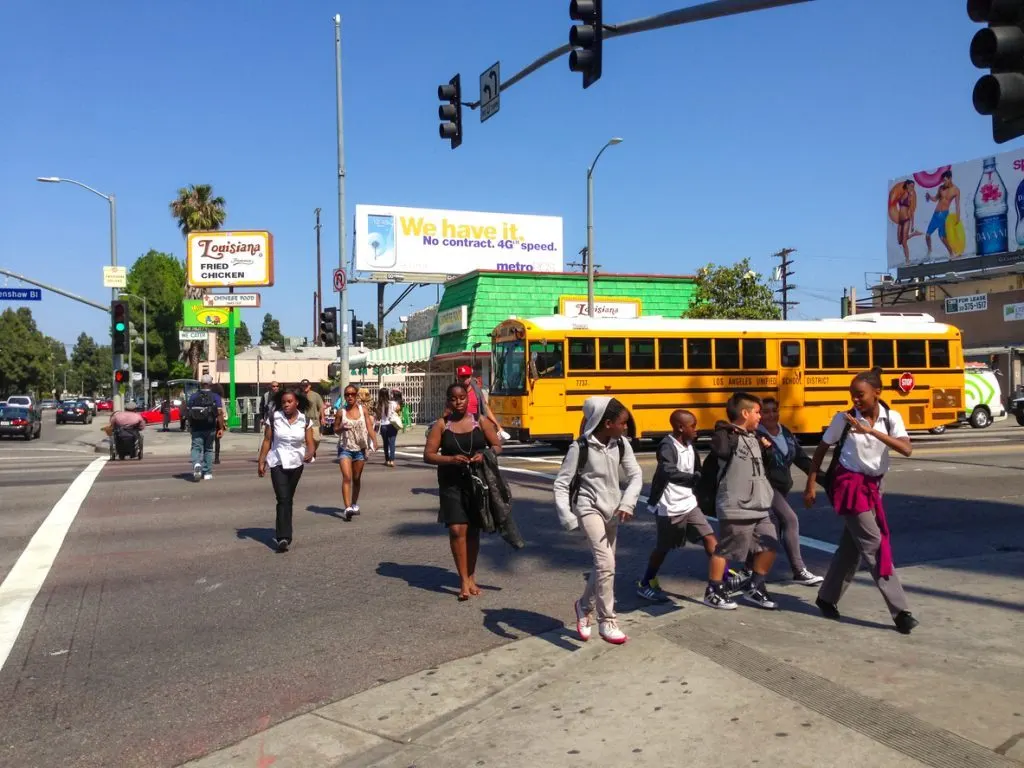
Around three dozen California school districts are on course to lose ballot votes for school repair bonds, despite asking for less funding than in previous election cycles. The shortfalls raise questions about why districts must rely on voter-approved borrowing when the state already spends heavily on education, and could leave ageing school buildings unrepaired.
Visalia Unified sought $158 million as the first step towards $600 million in repairs; 70% of its buildings are at least 50 years old. Districts with successful bond measures are typically wealthier and can access matching state funds, while less wealthy districts risk missing out if voters reject their proposals.
In short
- About three dozen districts may lose school repair bond votes.
- Visalia sought $158 million towards $600 million in repairs.
- Wealthier districts are more likely to access matching state funds.
Steelman: both sides, in good faith
The strongest fair case each way — we don't pick a winner.
The case for
School bonds let local communities decide whether to borrow for repairs, spreading large costs over time and tying funding to specific projects. Supporters may argue that voter approval encourages accountability and that local borrowing can supplement state budgets, which must also cover teaching, services and competing statewide needs.
The case against
Basic school buildings are a statewide responsibility, and reliance on local bond votes can leave repairs dependent on local wealth and voters’ capacity to take on more costs. Critics may argue that this makes funding unequal: districts with less affluent tax bases can struggle to raise money and may also miss out on state matching funds, deepening disparities in learning conditions.
Business Elections Markets Politics