World news and discussion on TalkFuse.
California teacher watchdog let accused child molester keep working with kids for five years: report
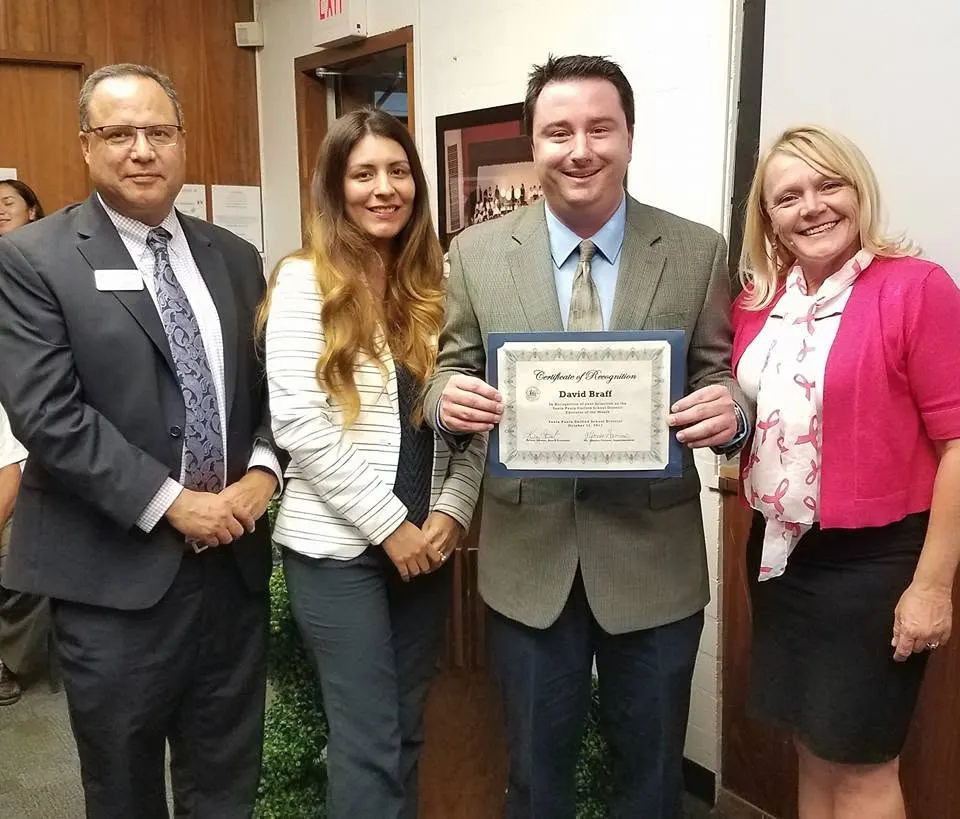
A California state commission did not pursue a full investigation after a school district reported allegations that counsellor David Braff had inappropriately touched pupils. An investigation by ProPublica and KQED found that he continued working with children for five years, raising questions about how the state handles misconduct reports and protects pupils.
The district sent the Commission on Teacher Credentialing a 20-page report in 2019, summarising allegations from at least seven students and interviews with witnesses. The commission’s credentials committee declined to recommend discipline in 2020, and several girls said state officials never contacted them. Braff later worked at four other Southern California schools before his 2024 arrest; he has pleaded not guilty to charges involving 15 students. The investigation also identified other cases in which reported allegations did not lead to effective action.
In short
- California’s teacher watchdog did not pursue a full investigation of Braff.
- He worked at several schools before his 2024 arrest.
- The report found other cases where state action was limited.
Steelman: both sides, in good faith
The strongest fair case each way — we don't pick a winner.
The case for
The report supports the case that the commission should have pursued a fuller investigation: the district submitted detailed allegations involving several pupils, yet the committee declined to recommend discipline and some students say officials never contacted them. Given the duty to protect children and the risk that misconduct can continue across schools, advocates may argue that credible reports warrant prompt, thorough scrutiny and clear communication with witnesses.
The case against
A fair assessment should distinguish allegations from established misconduct: Braff has pleaded not guilty, and a commission deciding whether to discipline a credential holder must follow procedures that protect against unfair sanctions. Advocates for due process may argue that the committee’s decision should be judged against the evidence and standards available at the time, while recognising that the reported outcome raises serious questions about whether those procedures adequately identified and managed risk.