Campaigners urge chancellor to scrap spending on ‘fairytale’ carbon capture
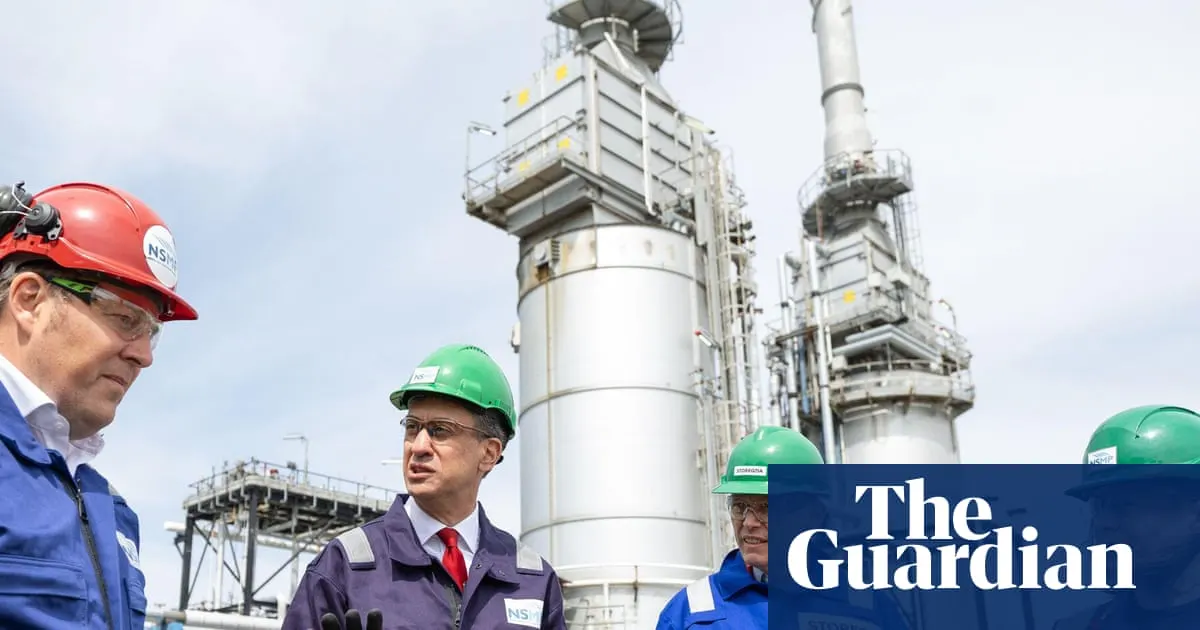
Campaigners, led by naturalist Chris Packham, are urging the chancellor to reduce planned public support for carbon capture and redirect money towards measures that help households cut emissions and energy bills. They argue the technology is costly and uncertain, while the government is reportedly considering reducing grants for people replacing gas boilers with electric heat pumps.
The government has earmarked £24bn for carbon capture and storage projects involving companies including BP and Equinor, a sum campaigners say exceeds planned spending by the US, EU, Norway and Japan combined. Projects are under way at the East Coast and HyNet clusters, while a further £200m is planned for the Acorn project, alongside £80m from the Scottish government. Supporters see carbon storage as a way to tackle emissions from industries difficult to decarbonise, but critics say some projects have stalled or delivered less carbon saving than expected.
In short
- Chris Packham wants the £24bn carbon capture plan cut.
- Campaigners favour household support and proven climate measures.
- CCS projects are under way in several UK regions.
Explained simply
Carbon capture and storage aims to trap carbon dioxide from industrial sites or the air and store it underground, so it does not add to global warming. The UK is developing projects in areas including the east coast of England and north-west England, with companies such as BP and Equinor involved.
Supporters say the technology could help cut pollution from industries that are difficult to run without fossil fuels. Critics question its cost and how much carbon it will actually prevent from reaching the atmosphere. The debate is also about how public money should be divided between large infrastructure projects and help for households to replace gas boilers and reduce energy use.
Business Climate Elections Environment Government Politics Science