‘Carrie’s Season 2 Renewal Is Destroying the Formula of Stephen King’s Classic Novel
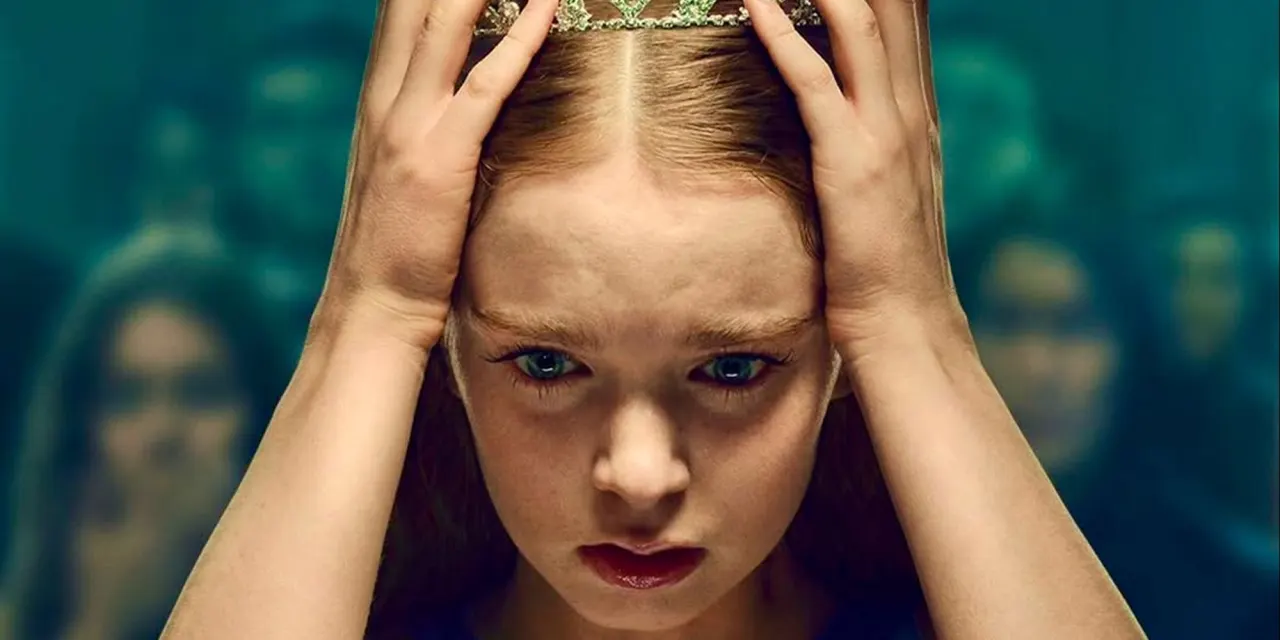
Prime Video has renewed Mike Flanagan’s Carrie for a second season, only two weeks after the series premiered and rose to the top of the streaming charts. The decision advances Flanagan’s planned three-part story, but the article argues that extending the tale may weaken the force of Stephen King’s novel, whose short, tightly shaped narrative culminates in Carrie’s death.
Flanagan’s adaptation expands the story into eight episodes, adding a group of psychically gifted women and, unlike the novel, allowing Carrie White to survive the prom bloodbath. The article sees these changes as thoughtful ways to explore the source material, while warning that continuing beyond its original ending risks doing too much. It also notes that earlier adaptations have let Carrie live, including a 2002 television film that was intended to lead into a series.
In short
- Prime Video has renewed Carrie for a second season.
- The series expands King’s short novel into an eight-episode story.
- The article questions whether more seasons will dilute its tragic ending.
Steelman: both sides, in good faith
The strongest fair case each way — we don't pick a winner.
The case for
A second season could give Flanagan room to develop the gifted women and explore the consequences of Carrie’s survival, turning a new direction into a considered expansion of the source material. The early popularity and the planned three-part story suggest there is an audience for that approach, and adaptation can reinterpret a classic rather than reproduce its ending.
The case against
The novel’s concentrated build towards Carrie’s death is central to its tragic force, and continuing her story could dilute the ending that gives the book its shape. Expanding the plot risks making a tightly focused story feel prolonged, while earlier adaptations that let Carrie live show that this departure is not itself a guarantee of a compelling continuation.
Explained simply
Stephen King’s novel Carrie follows Carrie White, a teenager who is bullied at school and controlled by her religious mother. She discovers she has telekinetic powers, which allow her to move objects with her mind, and the story builds towards a school prom and a deadly outbreak of violence.
The book was published in 1974 and has been adapted several times for film and television. Adaptations have made different choices about Carrie’s fate, while Flanagan’s version also adds characters and storylines beyond those in the novel.
The debate over continuing Carrie’s story reflects a broader question about adapting a self-contained book for television: whether new material can develop its themes, or change the impact of its original ending.