CBC permits journalists to describe 9/11 as terrorism
Developed over time first seen 2 months ago
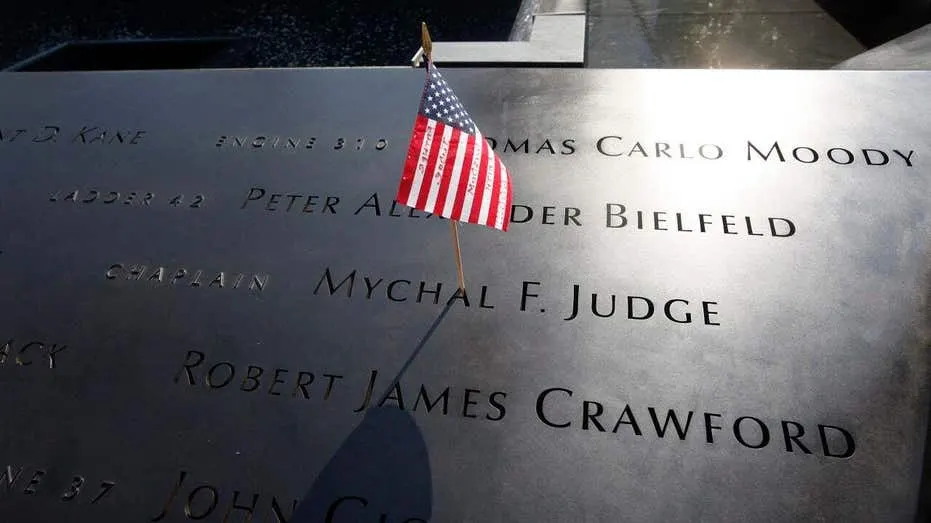
CBC has changed its internal guidance to allow journalists to describe the 11 September 2001 attacks directly as terrorism, following criticism of leaked wording that advised staff not to use the term. The broadcaster said the earlier guidance had created confusion and caused hurt ahead of the attacks’ 25th anniversary, and that the change is intended to improve clarity without minimising the atrocity or al-Qaeda’s responsibility.
CBC said its previous approach reflected a broader policy of attributing causes and motives for politically or ideologically motivated violence to officials and experts. It maintained that it had never denied 9/11 was terrorism, pointing to extensive coverage of the attacks, the nearly 3,000 people killed, the pursuit of those responsible and the enduring grief for victims’ families; it will retain attribution practices when reporting new incidents.
- CBC now permits direct description of 9/11 as terrorism
- Leaked guidance prompted confusion and criticism
- Attribution remains policy for new violent incidents
New here? Start with this
The 11 September 2001 attacks, often called 9/11, were a series of coordinated attacks in the United States carried out by members of al-Qaeda, an Islamist extremist network led at the time by Osama bin Laden. Nineteen hijackers took control of four passenger planes; two were flown into New York’s World Trade Center, one into the Pentagon near Washington, and another crashed in Pennsylvania after passengers intervened.
Nearly 3,000 people were killed, including people on the planes, emergency workers and people in the targeted buildings. The attacks had major effects on US foreign policy, security rules and international relations, including wars in Afghanistan and later Iraq.
The Canadian Broadcasting Corporation, or CBC, is Canada’s public broadcaster. Like many news organisations, it has internal guidance on language, including when reporters should use terms that can imply a motive or legal judgement.
Both sides, in good faith
The strongest fair case each way — we don't pick a winner.
The case for
Allowing journalists to call 9/11 terrorist attacks directly recognises an overwhelmingly established historical fact and avoids language that can seem needlessly evasive towards victims, survivors and the public. Supporters argue that clarity is especially important for an event whose perpetrators, motives and consequences have been extensively documented, and that ordinary descriptive language need not compromise editorial independence. The change can therefore be seen as restoring accuracy and humanity while preserving CBC’s ability to scrutinise contested claims in other cases.
The case against
A cautious attribution policy reflects the legitimate journalistic principle that broadcasters should avoid presenting assessments of motive or political violence as unquestioned fact when those assessments may be disputed, strategically deployed or incomplete. Defenders of the earlier guidance could argue that consistent standards protect impartiality, particularly in current conflicts where labels such as terrorism carry serious moral and political implications. From this perspective, the concern is not whether 9/11 was terrorism, but whether making exceptions risks weakening a discipline designed to keep reporting precise and independent.
More coverage
Read the full article at the source →
Originally published by Fox News as “CBC releases policy change after controversy about refusing to refer to 9/11 as ‘terrorist attacks’”.