CBP intercepted biological materials tied to U.S.–China virus network before COVID, new documents show
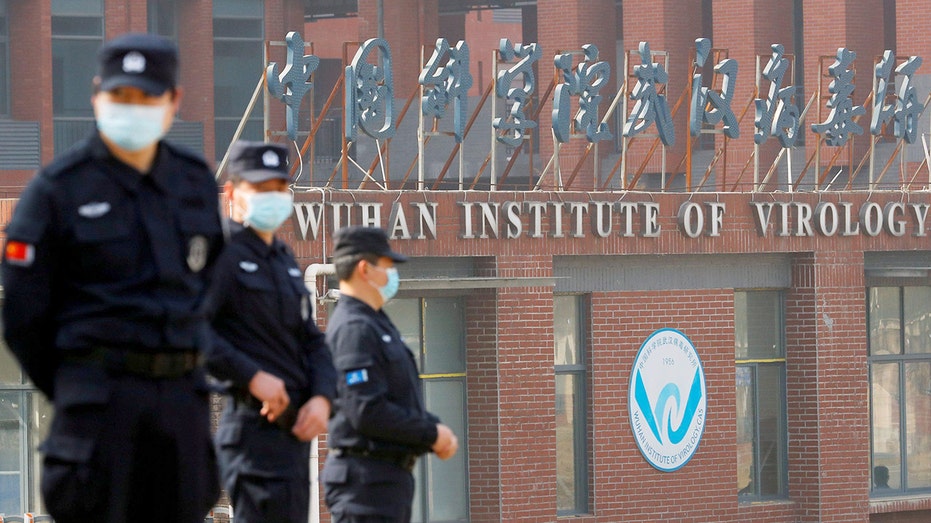
Senator Rand Paul has released documents which he says show US officials intercepted undeclared biological materials linked to a US–China coronavirus research network before the COVID-19 pandemic. The disclosure is significant because it is likely to intensify scrutiny of biosafety oversight, research transparency and competing claims about the pandemic’s origins.
According to the article, the records concern biological materials intercepted by US Customs and Border Protection and allegedly connected to coronavirus research collaboration involving American and Chinese institutions. Paul, a longstanding critic of Dr Anthony Fauci and US-funded gain-of-function research, argues the documents support his claims of official misdirection; the article does not establish that the materials caused COVID-19 or prove a laboratory origin.
In short
- Documents reportedly show pre-pandemic interceptions of undeclared biological materials.
- Rand Paul says they raise questions about US–China coronavirus research oversight.
- The records do not prove COVID-19’s origin.
Steelman: both sides, in good faith
The strongest fair case each way — we don't pick a winner.
The case for
These documents reveal that customs intercepted undeclared biological materials linked to US-China coronavirus research, exposing significant gaps in research transparency and biosafety oversight of international partnerships. This demonstrates genuine need for stricter protocols on collaborative research and greater accountability from officials who previously minimised such concerns. The very fact that border interdiction was necessary suggests problematic disclosure processes that warrant serious scrutiny and institutional reform.
The case against
Whilst intercepted undeclared materials raise legitimate biosafety concerns, they do not constitute evidence about COVID-19's origins, and the successful interception actually demonstrates existing oversight mechanisms working as intended. Scientific assessments remain that natural spillover is the most plausible explanation for the pandemic, and these documents do not materially alter the evidentiary basis for that assessment or establish a laboratory connection. Conflating biosafety oversight concerns with claims about pandemic origins risks muddying two distinct policy discussions.
Explained simply
The origin of the COVID-19 pandemic has remained contested since 2020, with particular focus on whether the virus emerged naturally, jumped from animals to humans, or possibly originated in a laboratory accident or experiment. Central to this debate is gain-of-function research—experiments designed to understand how viruses work by making them more transmissible—and which countries and institutions have conducted such work. American government funding for this type of research has become a focal point in discussions about biosafety oversight and research transparency.
Senator Rand Paul, a Republican critic of the National Institutes of Health's research funding decisions and of Dr Anthony Fauci, a senior US health official, has released documents claiming to show that US customs officials intercepted biological materials before the pandemic. These materials were allegedly connected to a coronavirus research collaboration between American and Chinese institutions. Paul argues these documents prove that US officials were not fully open about the extent of such research partnerships and their potential risks.
The disclosure is significant because it touches on broader questions about how governments oversee dangerous biological research, what information they share with the public, and what safeguards exist to prevent accidents. However, the released documents do not demonstrate that the intercepted materials caused COVID-19 or that the pandemic originated in a laboratory.
Americas Asia Health Medicine World