World news and discussion on TalkFuse.
Charles Bronson finds out fate of 34-year prison sentence after result of latest parole hearing
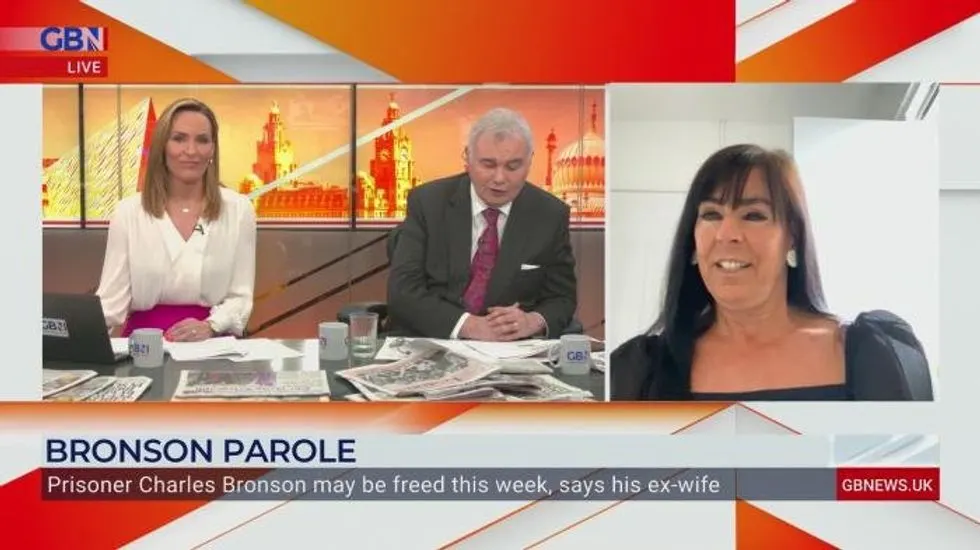
Charles Bronson, who changed his name to Charles Salvador, has been refused release following his ninth parole hearing. The Parole Board said it could not be satisfied that releasing him would be safe for the public, and did not recommend a move to an open prison.
The panel noted some positive reports about his engagement with staff and insight into past violence, but also cited further violence against staff and prisoners, difficulty trusting authority and limited motivation to follow prison rules. None of the three staff members who gave evidence, nor the prison psychologist whose report was considered, supported his release. Bronson, 73, has spent most of the past five decades in prison; his first conviction was in 1974.
In short
- Bronson was refused release at his ninth parole hearing.
- The panel cited violence and limited progress in custody.
- It did not recommend transfer to an open prison.
Steelman: both sides, in good faith
The strongest fair case each way — we don't pick a winner.
The case for
The decision can be defended on the grounds that public safety must come first: the panel cited further violence, difficulty trusting authority and limited motivation to follow prison rules, and the professionals who gave evidence did not support release. With those concerns unresolved, refusing release and an open-prison move is a cautious response to the risk the panel could not rule out.
The case against
The refusal can be questioned because parole is meant to assess present risk and prospects for change, not simply prolong punishment for past offences. The panel acknowledged positive engagement and some insight, and after nearly five decades in prison, a carefully managed move to open conditions could offer a way to test progress while keeping safeguards in place.
Explained simply
Charles Bronson, who later changed his name to Charles Salvador, is a British prisoner who has spent most of the past five decades in prison. He was first convicted in 1974 and has become known for repeated incidents of violence while in custody.
The Parole Board reviews whether some prisoners can be released or moved to an open prison, where security is less restrictive. It considers evidence about their behaviour, risk to the public and plans for life outside prison.
The board’s role is to assess public safety, while taking account of evidence about a prisoner’s progress and circumstances. Its decisions determine whether a prisoner can move to a less restrictive setting or be considered for release.