Politics news and discussion on TalkFuse.
Supreme Court urged to defang ‘criminal trap’ that has sent Trump officials to prison
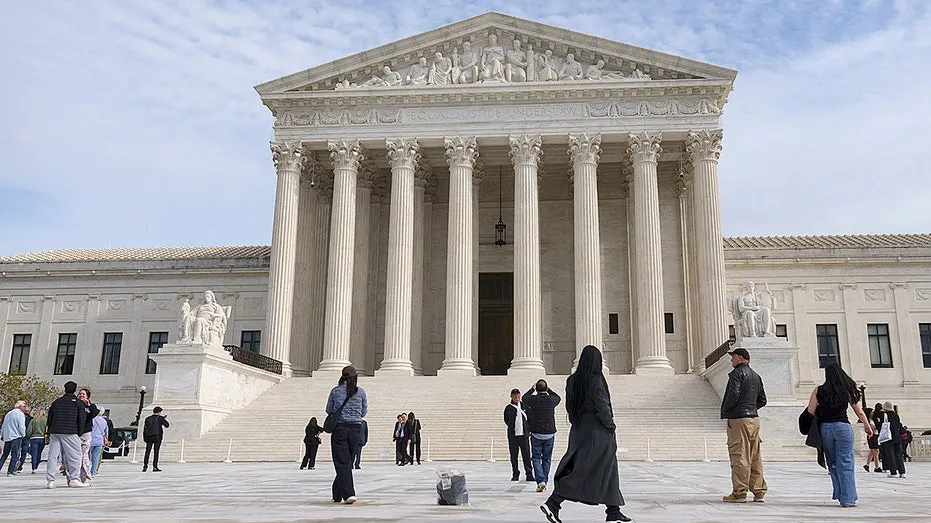
Peter Navarro, a former senior trade adviser to Donald Trump, has asked the US Supreme Court to overturn his convictions for refusing to comply with a congressional subpoena. The case could clarify what prosecutors must prove before someone can be jailed for defying Congress, including whether they must show the person knew the refusal was unlawful.
Navarro served four months in prison after a 2023 conviction on two counts of contempt of Congress for refusing to give testimony and documents to the House committee investigating 6 January, citing executive privilege. Lower courts said Trump had not invoked the privilege on Navarro’s behalf and that a sincere, mistaken belief did not excuse non-compliance. Navarro’s lawyer argues that the law’s requirement of “willful” conduct demands proof of a person’s understanding, and says the committee bypassed customary negotiations with executive officials.
In short
- Peter Navarro is asking the Supreme Court to overturn his contempt convictions.
- The case could raise the threshold for prosecuting subpoena refusals.
- Navarro served four months in prison after refusing to comply with the 6 January committee.
Steelman: both sides, in good faith
The strongest fair case each way — we don't pick a winner.
The case for
Prosecuting Navarro without proof that he knew his refusal was unlawful risks treating a genuine, if mistaken, belief in executive privilege as a crime. Requiring prosecutors to establish that understanding could give clearer meaning to “willful”, protect fair notice, and encourage Congress to resolve privilege disputes through customary negotiations before seeking criminal penalties.
The case against
Congress needs an enforceable way to obtain testimony and documents when its subpoenas are resisted; making conviction depend on proof that someone understood the legal limits of their refusal could make contempt cases much harder to bring. Navarro was told that Trump had not asserted privilege on his behalf, and the lower courts concluded that a sincere but mistaken belief did not excuse his non-compliance.
Explained simply
Congressional committees can require people to provide testimony or documents through a subpoena. Refusing to comply can lead to a criminal charge of contempt of Congress, which may carry a prison sentence.
Peter Navarro was a senior adviser to Donald Trump, who was US president at the time of the events under investigation. A House committee examining the attack on the Capitol on 6 January 2021 sought Navarro’s evidence; he refused, citing executive privilege, a protection for some confidential communications involving the president.
The dispute centres on what prosecutors must prove when someone is charged with deliberately defying a congressional subpoena. Its outcome may affect how such cases are handled and how disputes over presidential privilege and congressional investigations are resolved.