ChatGPT starts blocking direct requests to copy an author’s style
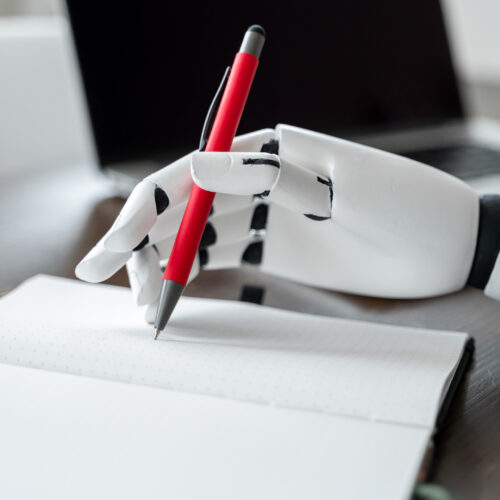
OpenAI's ChatGPT is now declining direct requests to write text that mimics the distinctive style of well-known authors, offering instead to evoke a similar "feeling" using an original voice. Testing by Ars Technica found the chatbot refusing such prompts for both living authors, including J.K. Rowling and Amy Tan, and deceased ones such as Charles Dickens and Ernest Hemingway, though a separate analysis found older behaviour still allowed imitation of dead authors. The shift comes as OpenAI faces multiple lawsuits from authors alleging copyright infringement through AI training, making the distinction between "inspired by" and direct style-copying potentially legally significant.
US copyright law protects specific expressions rather than an author's broader style, but courts could still find infringement if AI output becomes "substantially similar" to an original work, according to legal experts cited in the piece. The Authors Guild has previously urged writers not to use AI to mimic peers' distinctive voices, warning of ethical and legal risks, following incidents such as author Lena McDonald being criticised after apparent AI-generated text referencing another writer's style appeared in her book. OpenAI already restricts DALL-E 3 from replicating living artists' visual styles, but its published model specification does not clearly ban style mimicry or copyrighted-material replication in text, and OpenAI did not respond to requests for comment.
- ChatGPT now refuses to directly copy named authors' writing styles
- Move coincides with ongoing copyright lawsuits against OpenAI from authors
- Legal experts say AI style mimicry sits in an untested copyright grey area