China calls off ambitious ice-hunting moonshot a day before flight
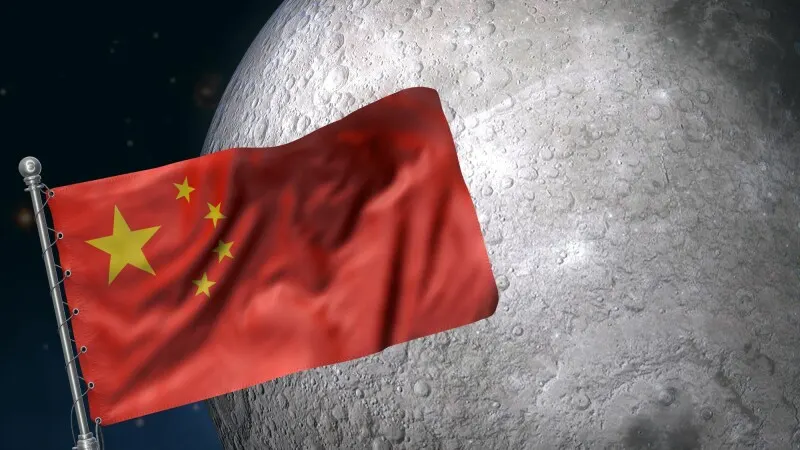
China's Manned Space Agency has cancelled the planned launch of its Chang'e 7 lunar mission, which had been due to lift off on Monday, saying the spacecraft failed to meet unspecified launch criteria. The mission was designed to send a lander, rover and hopper to a region near the Moon's South Pole to search for evidence of ice, marking what one Australian astrophysicist described as a shift from simply exploring the Moon to assessing whether its resources could actually be used. Because suitable launch windows for South Pole missions occur only once or twice a year and none remains available in 2026, the mission is now delayed until next year.
CMSA gave no specific reason beyond citing "prudence, reliability and absolute safety," though some Chinese media outlets pointed to bad weather, with state media warning of torrential rain ahead of a typhoon near the Hainan launch site. The mission's lander featured precision autonomous landing technology to cope with the Moon's rugged polar terrain, while its hopper was intended to leap into and out of deep, permanently shadowed craters — where temperatures can fall below minus 200°C — to hunt for ice. An accompanying orbiter would have relayed data and conducted its own observations, with all vehicles built to withstand multiple lunar nights lasting two weeks or more.
- China scrapped Monday's Chang'e 7 Moon launch a day early
- Mission sought lunar South Pole ice via lander, rover and hopper
- Next launch window unavailable until 2027; cause unclear, possibly weather
New here? Start with this
China’s Chang’e programme is a series of robotic missions to explore the Moon. Chang’e 7 was designed to travel to the lunar South Pole, where some deep craters never receive sunlight and may contain water ice.
The mission was to use a lander, rover and small hopping craft to examine the terrain and look for ice, while an orbiter gathered observations and relayed data. Finding out whether lunar ice exists and could be used would help scientists assess the Moon’s resources and inform plans for future exploration.