Max Porter’s Lanny adaptation builds its score from Mendip Hills sounds
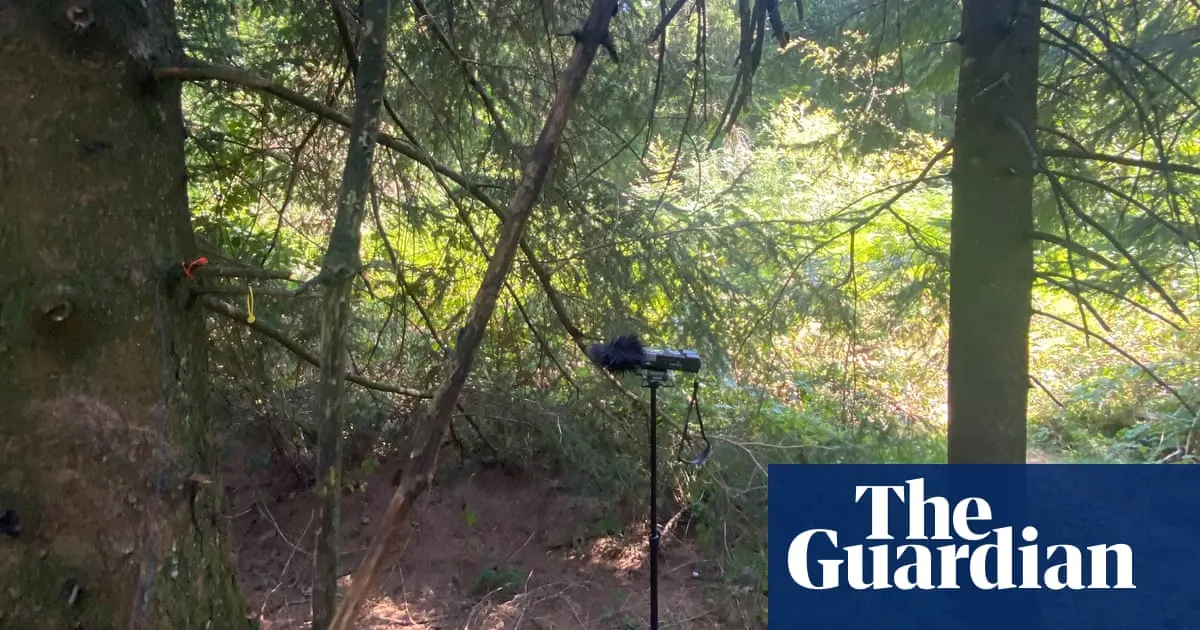
A new stage adaptation of Max Porter’s novel *Lanny* is using sounds recorded in the Mendip Hills to build its musical world. Composer Dom Coyote and sound designers Elena Peña and Dave Price are replacing electronic beats with rhythms from trees, moss and other natural materials, aiming to connect the production with Bristol’s musical heritage.
Adapted by Bea Roberts and directed by Nancy Medina, the play follows a boy who goes missing and the ancient, folkloric figure Dead Papa Toothwort, whose presence draws on a village’s language and culture. Coyote is composing a folk song to the tune of “Sumer Is Icumen In” and hopes the music will bring wonder to a story about a divided village and a family in crisis.
- The *Lanny* adaptation is building its score from woodland sounds.
- Composer Dom Coyote is blending natural rhythms with Bristol’s trip-hop heritage.
- The music aims to bring wonder to a tragic, folkloric story.
New here? Start with this
Max Porter’s novel Lanny centres on a boy who goes missing from his village and Dead Papa Toothwort, an ancient folkloric figure who listens to and echoes the community around him. The story also follows the boy’s family and neighbours as they respond to the disappearance.
The stage version is adapted by Bea Roberts and directed by Nancy Medina. Composer Dom Coyote and sound designers Elena Peña and Dave Price are shaping its music from recordings of natural materials in the Mendip Hills, drawing on folk traditions and Bristol’s musical heritage to evoke the story’s village and folklore.
Read the full article at the source →
Originally published by The Guardian as “Listen for Lanny: can Max Porter’s mythic tale be heard in this woodland?”.