World news and discussion on TalkFuse.
Beijing says Taiwan reunification is inevitable after DPP gains local seats
Developing story first seen 2 hours ago
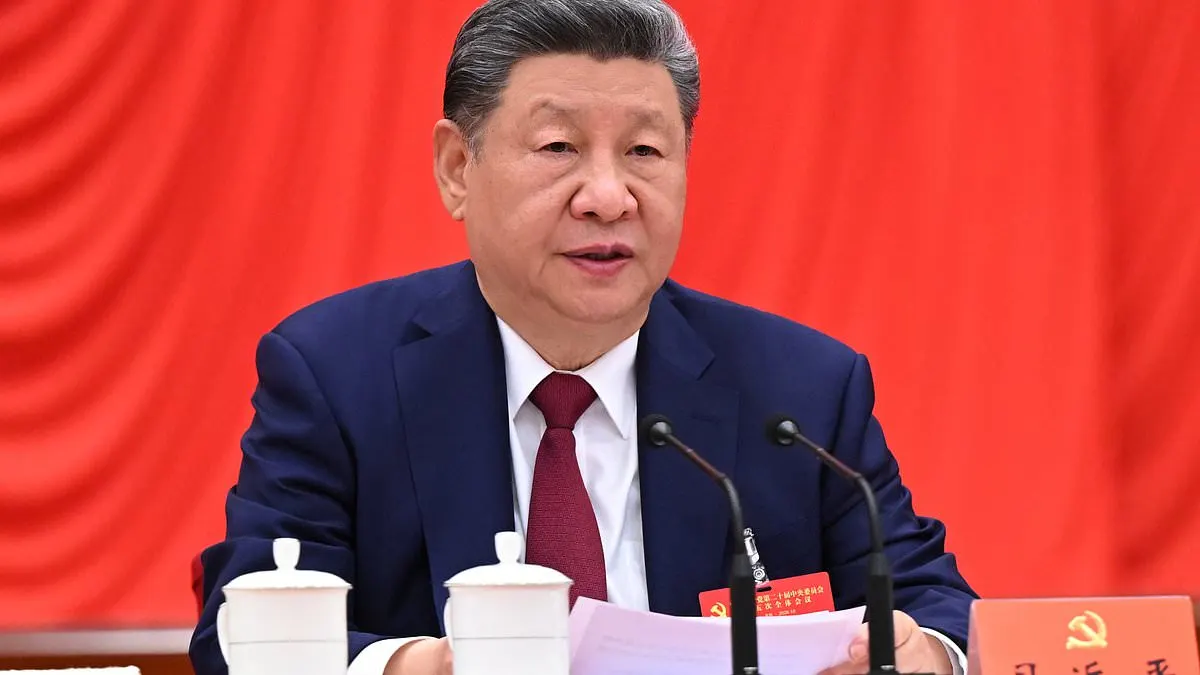
China has said reunification with Taiwan is "inevitable" following local elections in which the ruling Democratic Progressive Party (DPP) gained control of more cities and counties but lost the Taipei mayoral race. Beijing, which claims the island as its own and has never ruled out force, said mainstream opinion in Taiwan favours peace, exchanges and cooperation. Taiwan's government rejected those claims and urged Beijing to respect its democratic system and engage with its elected government on the basis of "no preconditions and equal dignity".
The main opposition Kuomintang (KMT) lost Taichung, the DPP's biggest gain of the night, while Taipei mayor Chiang Wan-an won re-election convincingly. The DPP's Taipei candidate, Puma Shen, lost in the KMT stronghold but drew unexpectedly high voter attention across Taiwan, and China had attacked him and sanctioned him over "separatism". China did not feature prominently in a campaign focused on domestic issues such as water safety and school meals, though it sent dozens of warplanes and warships around Taiwan on Friday. Attention now turns to the presidential election in early 2028, where the KMT's candidate remains unclear, and KMT chairwoman Cheng Li-wun has said preparations must begin immediately.
- Sources
- 2
- Outlets
- 2
- Left · Centre · Right
- 1 · 0 · 1
In short
- China says reunification with Taiwan is "inevitable" after local elections.
- DPP gained more cities and counties but lost Taipei mayoralty.
- KMT lost Taichung; Chiang Wan-an won Taipei re-election.
- Taiwan's government rejects Beijing's claims and demands respect for its democracy.
How this story developed
- 31 minutes ago China said on Sunday that reunification with Taiwan is 'inevitable' after the ruling Democratic Progressive Party (DPP) increased the number of cities and counties under its control but lost the race for Taipei mayor.
- 34 minutes ago China has said reunification with Taiwan is "inevitable" following local elections in which the ruling Democratic Progressive Party (DPP) gained control of more cities and counties but lost the Taipei mayoral race.
Where outlets differ
Left-leaning outlets 1
Only here: china, insists, governing, party, poll
Right-leaning outlets 1
Only here: beijing, inevitable, local, seats
Every side used: reunification, taiwan, gains
Headline columns compared word for word; nothing in them is AI-written.
Steelman: both sides, in good faith
The strongest fair case each way — we don't pick a winner.
The case for
Advocates of eventual reunification argue that Taiwan and the mainland share history, language and culture, and that a peaceful, gradual path toward unity serves regional stability and the long-term prosperity of both sides. They point to growing economic and cultural exchange as evidence that closer ties can build trust, and they frame reunification as a historical process rather than an imminent event, one that should be pursued through dialogue under a framework such as 'one country, two systems'. From this perspective, Beijing's statement reflects a consistent national aspiration and a hope that Taiwanese voters will ultimately judge cross-strait relations on their merits.
The case against
Opponents argue that Taiwan has been governed democratically and independently for decades, and that its 23 million residents have a clear right to determine their own political future without coercion. They contend that the 'one country, two systems' model has been undermined in Hong Kong, which makes many Taiwanese sceptical of any promise of autonomy, and that describing reunification as inevitable pressures voters and weakens the case for dialogue on equal terms. From this view, the Taiwanese government's insistence on respect for its democratic system is a reasonable defence of self-determination, and sustaining peace depends on mutual recognition of that system rather than on assumptions about its eventual outcome.
Explained simply
Taiwan is a self-governing island off the south-east coast of China, with its own elected government, military and currency. Beijing considers the island part of its territory and has said it seeks eventual reunification, though it has never ruled out using force. Taiwan's government rejects that claim and says only the island's people can decide its future.
Taiwan's politics largely revolve around its relationship with China. The Democratic Progressive Party (DPP), which holds the presidency under Lai Ching-te, emphasises a distinct Taiwanese identity and resists Chinese pressure. The Kuomintang (KMT), the main opposition party, has traditionally favoured closer economic and cultural ties with China.
Local elections choose mayors and county leaders and are mainly fought over everyday issues such as public services. They are often read as a gauge of public opinion on the wider question of China, and the next presidential election, due in 2028, is seen as a bigger test. Tensions across the Taiwan Strait matter well beyond the island, because the United States, Japan and others have security and economic interests there, and Taiwan is a major producer of advanced computer chips.
Coverage · 2 sources
Bias meters
From 2 rated sources.
Asia Elections Government Politics World
Read the full article at the source →
Originally published by Daily Mail as “China issues chilling warning to Taiwan claiming unification is ‘inevitable’ after island nation’s ruling party makes gains in elections”.