Culture news and discussion on TalkFuse.
Christopher Nolan’s most political movie is also his worst, and it’s not the one you think
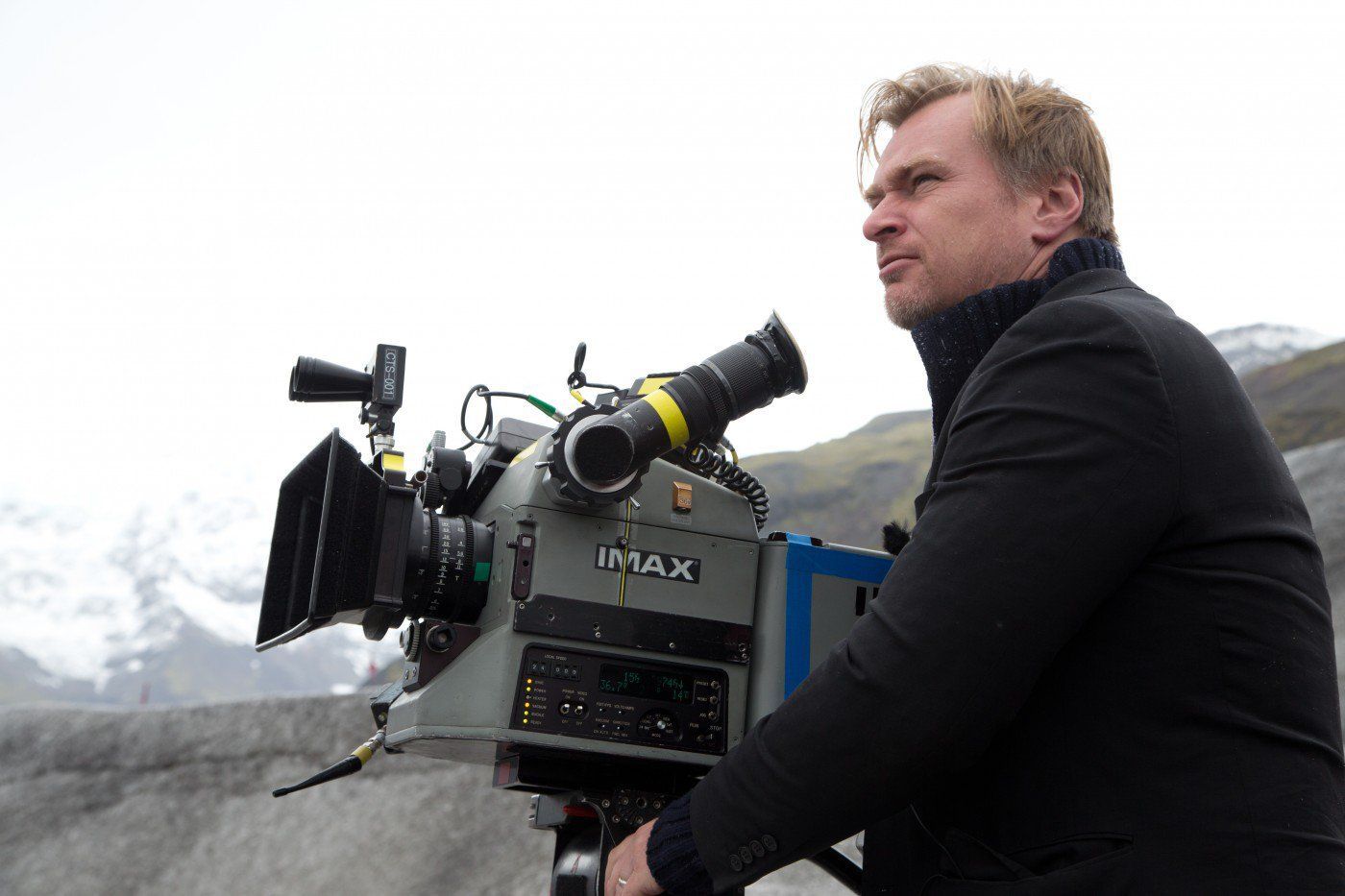
Christopher Nolan's new film The Odyssey has drawn criticism online over its diverse casting, including Lupita Nyong'o as Helen of Troy and trans actor Elliot Page as the soldier Sinon, with some labelling the choices "woke". The author, having seen the film, argues this backlash is misplaced and that the casting is simply an artistic decision rather than a political statement, and instead identifies a genuinely political and, in the author's view, deeply flawed Nolan film elsewhere in his back catalogue.
The article argues that Nolan's true "most political" and worst film is 2012's The Dark Knight Rises, whose muddled portrayal of Bane's uprising against Gotham's elite is seen as confused and, notably, insulting to the poor by lumping ordinary underprivileged citizens in with freed criminals and assassins. The piece connects this to the real-world Occupy Wall Street movement, which began on 17 September 2011 with a 2,000-person march in Lower Manhattan before establishing an encampment in Zuccotti Park near Wall Street, protesting corporate greed and the handling of the 2008 financial crisis, and suggests the film's timing and imagery landed awkwardly against that backdrop.
In short
- Odyssey's diverse cast sparks "woke" backlash the author dismisses
- Author calls The Dark Knight Rises Nolan's true political misfire
- Bane's uprising is linked to the 2011 Occupy Wall Street movement
Steelman: both sides, in good faith
The strongest fair case each way — we don't pick a winner.
The case for
The criticism can be read as a case that The Dark Knight Rises uses the imagery of popular revolt without making clear distinctions between legitimate grievances and violent coercion. By associating Gotham’s poor with criminals and assassins, the film risks implying that challenges to entrenched privilege lead to chaos, a framing that could feel especially dismissive amid Occupy Wall Street’s protests against inequality and corporate power.
The case against
A reasonable defence is that the film is a heightened story about authoritarian manipulation, not a considered account of poverty or protest movements. Bane’s takeover is driven by deception and force, and the presence of criminals among the uprising does not necessarily equate ordinary protesters with them; the film’s political ambiguity may be a weakness of execution without making its underlying message an attack on the poor.
Explained simply
Christopher Nolan is a highly acclaimed film director whose latest film, The Odyssey, has attracted online criticism over its casting of actors from underrepresented groups in classical roles, with some commentators arguing this reflects a political agenda rather than artistic choice. The film features black actor Lupita Nyong'o as Helen of Troy and trans actor Elliot Page in the role of Sinon.
However, an article argues this criticism is misdirected, and instead identifies Nolan's genuinely political film as 2012's The Dark Knight Rises. This superhero film depicts an uprising led by the villain Bane against Gotham's elite, but the critic contends the film's treatment is confused and insulting to the poor, lumping ordinary citizens in with criminals and assassins.
The critique connects the film to Occupy Wall Street, a genuine grassroots movement that began in September 2011 to protest corporate greed and the aftermath of the 2008 financial crisis. The timing of The Dark Knight Rises alongside this real social unrest created uncomfortable parallels, and the article argues that the film's confused portrayal of class struggle represents Nolan's most significant artistic and political failure.
Art Culture Entertainment Film