Entertainment news and discussion on TalkFuse.
CHUCK DEVORE: Texas turns blue, but here’s where the next 4 big battles are coming
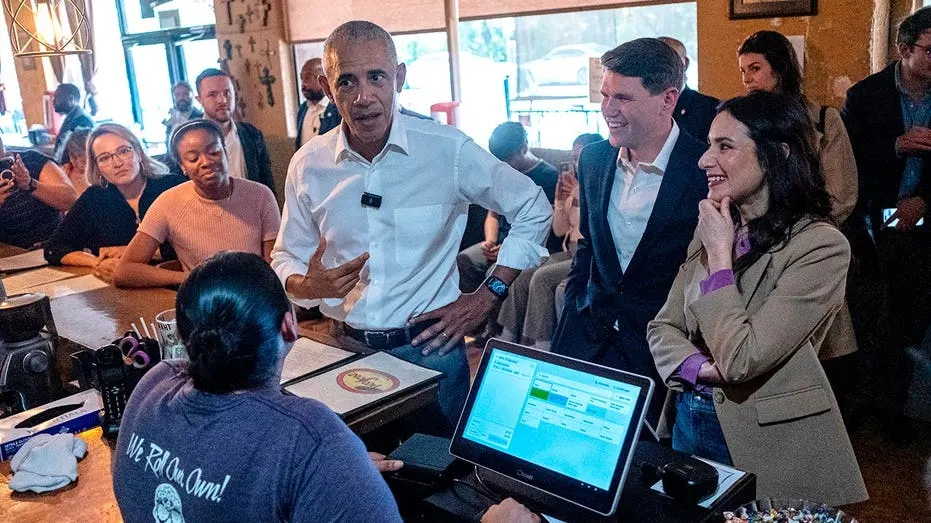
Democrats made major gains in Texas in November’s election, with Gina Hinojosa elected governor and the party taking control of the state House. The article argues that these changes could gradually reshape Texas policy and its business climate, while noting that Republicans retain influence in the Senate, courts and key regulatory bodies.
It identifies four areas to watch: taxes and spending, regulation and lawsuits, culture and higher education, and border security. It predicts that Hinojosa’s administration may bring incremental changes to Texas’s comparatively low-tax approach, strengthen the trial bar, reverse restrictions on diversity, equity and inclusion practices in universities, and alter border policy; the supplied article text cuts off before detailing that final issue.
In short
- Democrats won the Texas governorship and state House.
- Republicans retain several important state institutions.
- The article flags four policy areas to watch.
Steelman: both sides, in good faith
The strongest fair case each way — we don't pick a winner.
The case for
Supporters of the new Democratic leadership could argue that voters have authorised a gradual shift towards policies they believe better fund public services, strengthen legal accountability, and make universities more inclusive. They may also see a chance to revise border enforcement in ways that better reflect humanitarian concerns, while the remaining Republican influence in state institutions limits abrupt change.
The case against
Critics could argue that Texas’s low-tax approach, limits on regulation and DEI practices, and firm border enforcement have helped support economic growth and reflect voters’ policy preferences. They may worry that even incremental changes could raise costs for businesses and residents, expand litigation, weaken institutional neutrality, or reduce border control, while the divided balance of power could make policy less predictable.
Explained simply
Texas is governed through several institutions, including the governor’s office, the state House and Senate, the courts and regulatory bodies. Control is divided among them, so an election can change the direction of state policy without giving one party control over every decision.
The issues to follow include how the state raises and spends money, business rules and lawsuits, and the role of diversity policies in universities. Border security is also a state and federal policy issue, with the governor able to influence Texas’s approach.
These debates matter because Texas’s rules affect residents, universities and businesses operating in the state. Changes may depend on negotiation between officials and institutions with different powers and political priorities.
Celebrity Entertainment Government Politics World