Politics news and discussion on TalkFuse.
‘Shameless venality’: how a flurry of lawsuits has thwarted Trump’s self-enrichment schemes
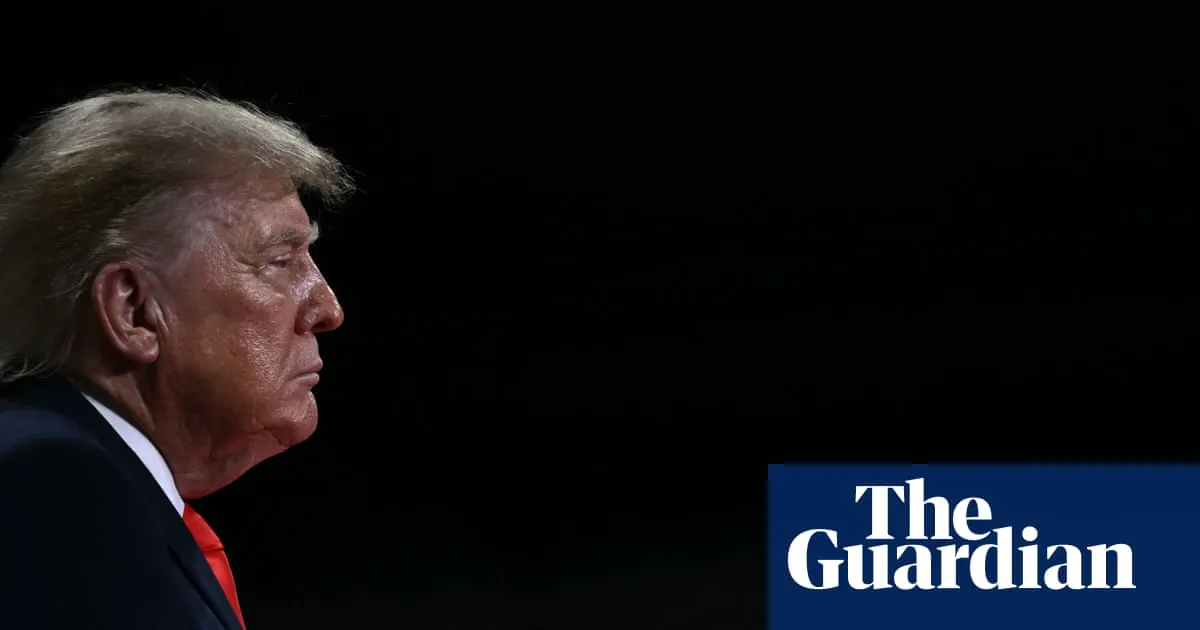
Non-partisan groups have used lawsuits to challenge President Donald Trump’s attempts to benefit his finances and political interests, drawing sharp rebukes from federal judges. The cases matter because they test whether public institutions can be used to advance a president’s private interests and underline the courts’ role in checking executive power.
One dispute concerned Trump’s $10bn lawsuit against the IRS over the leak of his tax information: a proposed settlement would have created a $1.8bn fund for people alleging political persecution and granted Trump and his family immunity over past tax matters. A Florida judge called the proposed fund deceptive and a fraud on the court; the Justice Department later dropped it, though the immunity provision remains. In New York, a judge also rebuked the use of $20m in public funds for adverts promoting Trump’s record before the midterm elections.
In short
- Lawsuits have challenged Trump’s efforts to advance his financial and political interests.
- A judge rejected a proposed $1.8bn fund linked to Trump’s IRS lawsuit.
- A separate ruling criticised $20m in public funds spent on government adverts.
Steelman: both sides, in good faith
The strongest fair case each way — we don't pick a winner.
The case for
The lawsuits can be seen as a necessary way to protect public institutions from being used for a president’s private or political benefit. On this view, court scrutiny and judicial rebukes help uphold the rule of law, ensure public money serves a legitimate public purpose, and hold the executive to account.
The case against
A thoughtful critic might argue that litigation by political or non-partisan groups can draw courts into disputes better resolved through elections, legislative oversight, or ordinary administrative processes. They may also contend that judges should intervene cautiously in executive decisions, since broad injunctions or forceful judicial language can risk appearing partisan and weaken public confidence in the courts.
Explained simply
The US president has private business and political interests alongside his public duties. Lawsuits brought by non-partisan groups have challenged actions they say could use government powers or public money to benefit Donald Trump or his allies.
The disputes involve the courts, the Justice Department and government agencies such as the Internal Revenue Service, which handles tax matters. Judges can review whether officials have acted within the law, making these cases part of a wider test of how the courts check presidential power.
The cases matter because decisions about public funds, legal settlements and immunity can affect both the president’s personal interests and the way government institutions are used. They also raise questions about how those institutions should remain accountable while a president is in office.
Business Government Politics World