Claims of restricting access to Starlink, buying Putin’s diesel, threats to limit military intelligence sharing with Ukraine: I am not saying Trump is a Russian asset, but it seems he’s been ‘persuaded’ of the Kremlin’s worldview, ANDREW JEHRING argues
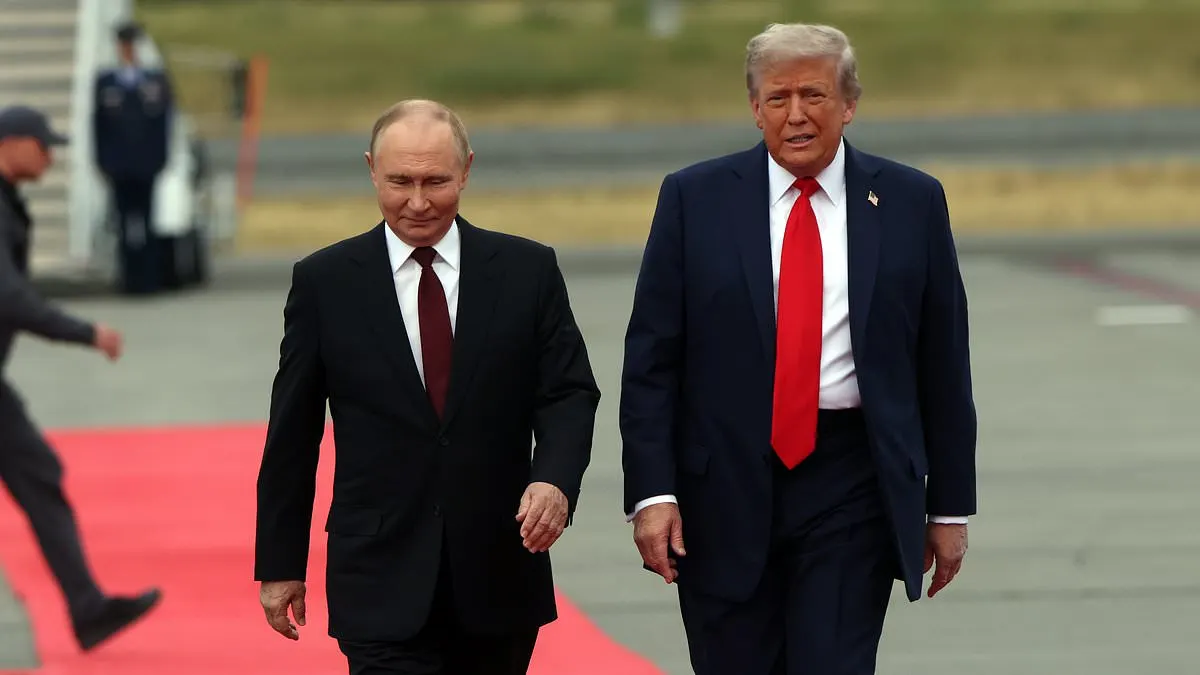
Andrew Jehring argues that Donald Trump may be unusually receptive to Vladimir Putin because, in Jehring’s view, Russian operatives may have influenced his thinking decades ago. He rejects the idea that Trump is a Russian asset directed by Putin, but says Trump’s actions and rhetoric appear to echo Kremlin viewpoints.
The podcast discussion follows several developments that could weaken Ukraine’s war effort: Trump’s announcement that he would ease sanctions to allow Russian diesel sales, Ukraine’s claim that its military access to Starlink was restricted, and reports of possible limits on US intelligence sharing. Trump said the diesel deal could involve nearly five million tonnes, though it is unclear whether Russia can supply that amount. Ukraine relies heavily on Starlink for drone operations, and a Ukrainian colonel warned that losing access could put more civilians at risk.
- Jehring says Trump may have absorbed Russian viewpoints over time.
- Trump announced plans to ease sanctions on Russian diesel.
- Ukraine says Starlink access was restricted amid intelligence-sharing concerns.
New here? Start with this
Ukraine is a country in eastern Europe that has been fighting a full-scale Russian invasion since 2022. Russia is led by Vladimir Putin; the United States, led by Donald Trump, has provided Ukraine with weapons, intelligence and other support, though the level of that support can change with US policy.
Starlink is a satellite internet service used by Ukrainian forces, including to help operate drones. US intelligence can also help Ukraine understand Russian military movements, while sanctions are restrictions intended to limit Russia’s trade and income. Changes to these forms of support, or to trade in Russian fuel, could affect Ukraine’s ability to defend itself and the wider course of the war.
Both sides, in good faith
The strongest fair case each way — we don't pick a winner.
The case for
Jehring’s argument is that Trump’s willingness to ease sanctions, alongside reported pressure over Starlink and intelligence sharing, risks weakening Ukraine and aligns with positions that benefit Moscow. He suggests past Russian efforts to influence Trump may help explain this pattern, while stopping short of claiming Trump is controlled by Putin.
The case against
A cautious counterargument is that these developments do not establish Russian influence over Trump: the claims about Starlink and intelligence limits are reported or attributed to Ukraine, and the scale of any diesel deal is uncertain. Supporters could argue that sanctions relief or changes to military support reflect other policy aims, such as energy supply or seeking leverage in negotiations, rather than sympathy for the Kremlin.