Cleveland Clinic launches prescription drone delivery
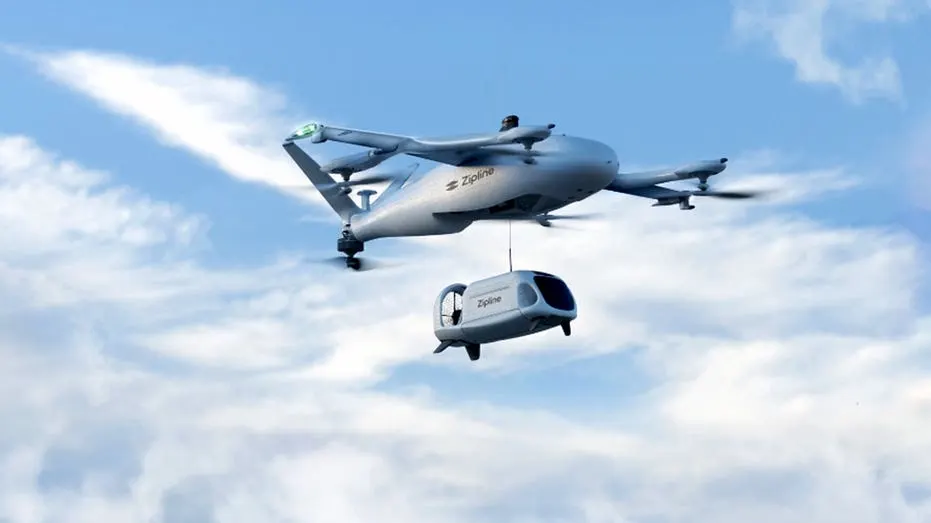
Cleveland Clinic has launched a prescription drone delivery programme in partnership with Zipline, allowing eligible patients to have medications lowered into their gardens rather than collecting them in person. The scheme aims to ease the burden of pharmacy trips for people who are unwell or caring for others, and Cleveland Clinic says it represents the first long-term, ongoing deployment of a prescription drug drone delivery service by a US health system, rather than a short-term trial.
The first successful deliveries took place in and around Beachwood, Ohio. While other American hospitals have previously tested medical drone deliveries, Cleveland Clinic's programme is designed to run continuously to patients' homes rather than as a one-off pilot. Separately, related drone testing efforts are also examining faster transport of lab samples, blood and donor-matching materials between smaller communities and larger hospital hubs, with potential future expansion to transplant-related deliveries, particularly benefiting rural patients who face longer travel times for care.
- Cleveland Clinic and Zipline launch home prescription drone delivery in Ohio.
- First deliveries completed in and around Beachwood, Ohio.
- Billed as first long-term US health system drone prescription service.
Both sides, in good faith
The strongest fair case each way — we don't pick a winner.
The case for
This represents meaningful progress in healthcare access. Patients who are unwell, disabled, or caring for others face genuine burden from pharmacy trips, and drone delivery directly solves this problem—particularly for rural patients with long travel times to care. The service is environmentally efficient compared to repeated car journeys and reflects Cleveland Clinic's confidence in ongoing implementation rather than mere trial.
The case against
Whilst superficially convenient, this service raises significant concerns about privacy and security when prescriptions are deposited in gardens, and creates accessibility gaps by only serving patients with suitable outdoor space. Safety standards remain uncertain, cost-benefit unclear relative to existing delivery options, and the broader implications for pharmacy jobs and workers deserve serious consideration.