Warm September weather and fuel costs deepen UK retail sales fall
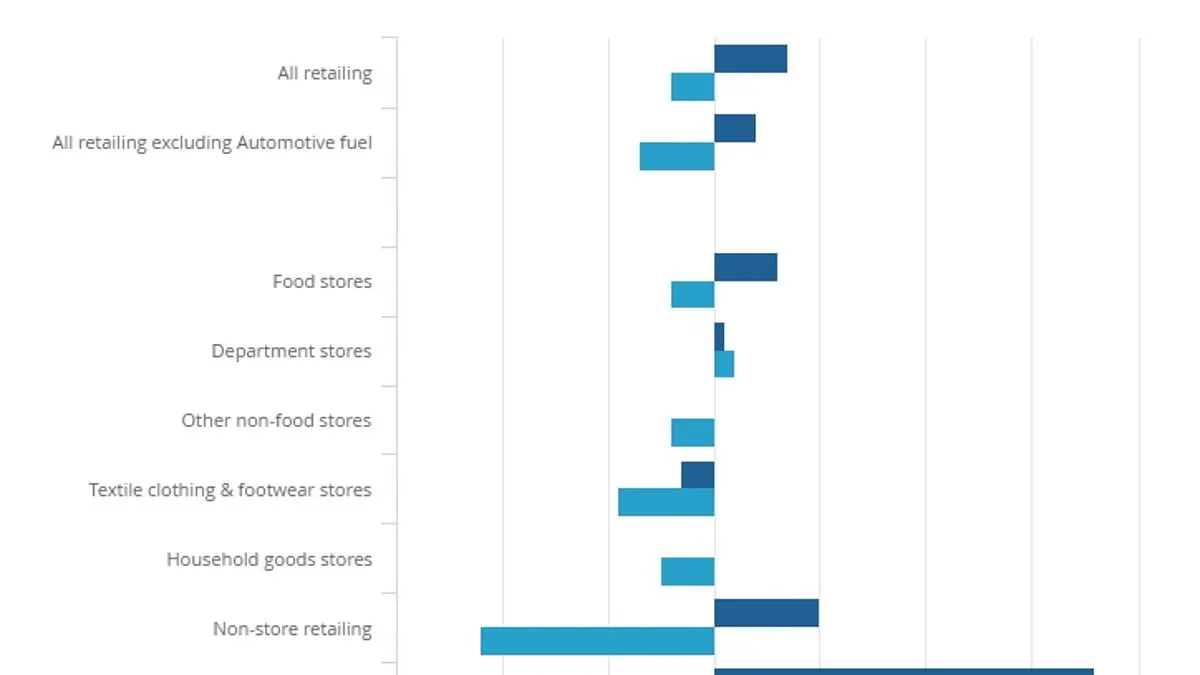
UK retail sales volumes fell by 0.4 per cent in September, a steeper decline than analysts had forecast, as unusually warm weather dampened demand for autumn and winter clothes. Higher fuel costs also absorbed more household spending, adding pressure on shops as consumers remained cautious.
Across July to September, sales volumes rose 0.7 per cent compared with the previous quarter, helped by fuel and food sales. Fuel purchases increased 2.2 per cent in September, returning to levels last seen before the Middle East conflict began; retailers also reported that warm weather made seasonal fashion harder to sell.
In short
- Retail sales fell 0.4 per cent in September.
- Warm weather hit demand for seasonal clothing.
- Higher fuel spending added pressure on household budgets.
Steelman: both sides, in good faith
The strongest fair case each way — we don't pick a winner.
The case for
The fall in retail sales points to real pressure on households and shops: unusually warm weather left seasonal clothing unsold, while higher fuel costs absorbed money that might otherwise have been spent in stores. The weaker-than-forecast result and cautious consumer spending suggest retailers may face continued strain even as some sectors, such as food and fuel, supported sales over the quarter.
The case against
A single monthly decline does not necessarily signal a broad or lasting weakening in retail demand, since warm September weather temporarily shifted purchases of autumn and winter clothing. Sales volumes still rose over the July-to-September quarter, with food and fuel contributing, so the figures can also be read as uneven spending across categories rather than a general retreat by consumers.
Explained simply
Retail sales measure how much people buy, with sales volumes adjusted for price changes to show whether the amount sold has risen or fallen. The figures cover shops and other retailers across the UK, including food, clothing and fuel.
Household spending is affected by both the weather and the cost of essentials such as petrol and diesel. Warm conditions can delay demand for autumn clothing, while higher fuel bills leave less money for other purchases; changes in fuel sales can also affect the overall retail figures.
The data are produced by the Office for National Statistics and are used to track consumer spending, one part of the wider UK economy. They offer a snapshot rather than a complete picture of household finances or the performance of every shop.
Read the full article at the source →
Originally published by Daily Mail as “Clothing sales crunch hit high street in September as summer lingered and drivers struggled with surging pump prices”.