CNN admits error after suggesting US troops abroad would be impacted by Trump’s mail-in ballot crackdown
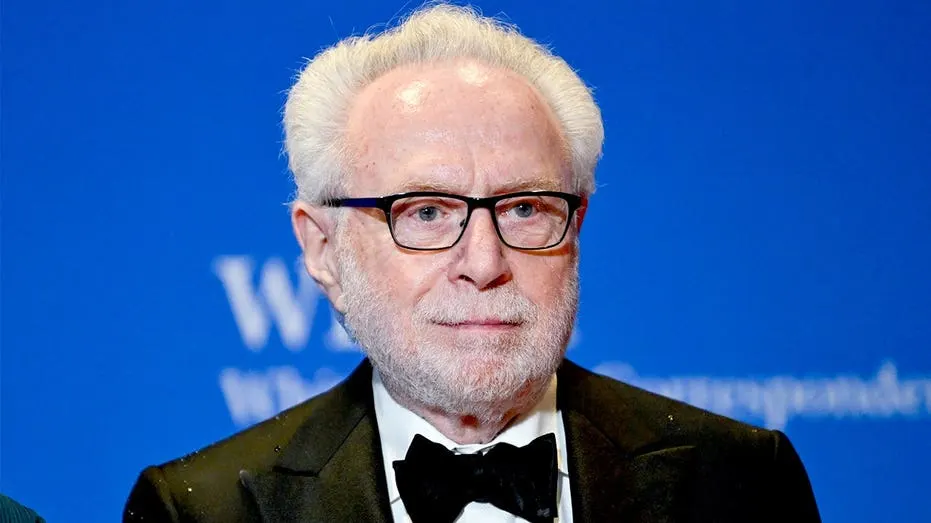
CNN anchor Wolf Blitzer corrected himself on air after wrongly suggesting that US military personnel stationed abroad would be affected by the Trump administration's crackdown on mail-in voting. The error occurred during a Friday interview with Democratic Virginia Governor Abigail Spanberger about a lawsuit filed by several states challenging President Trump's March executive order restricting mail-in voting, which a federal judge temporarily blocked for 14 days. The correction matters because it involved a potentially misleading claim about voting rights for service members during an ongoing legal and political dispute over ballot access.
During the segment, Blitzer told Spanberger that Virginia's military personnel "totally rely on mail-in ballots," and Spanberger agreed, citing service members, diplomats and intelligence personnel stationed overseas. On Monday's programme, Blitzer clarified that ballots from military and overseas voters are actually exempt from the Postal Service rules implementing Trump's order, as they are protected under the Uniformed and Overseas Absentee Voting Act. A CNN spokesperson pointed to Blitzer's on-air correction and declined to comment further.
- Wolf Blitzer wrongly implied US troops' mail ballots faced Trump's voting order.
- He corrected himself, saying overseas military ballots are exempt.
- Exemption stems from the Uniformed and Overseas Absentee Voting Act.
New here? Start with this
Mail-in voting lets voters receive or return ballots by post rather than vote in person. US service members and other citizens living overseas can use absentee ballots, with federal law providing specific protections for their voting.
The Uniformed and Overseas Absentee Voting Act sets rules to help military personnel and other eligible Americans abroad take part in federal elections. Disputes over changes to mail voting can affect how voters cast ballots and have led to legal challenges between states and the federal government.
Americas Business Elections Government Markets Politics World