Coco 2′ First Look: Miguel Becomes a Teenager in Pixar Sequel Set for November 2029
Developed over time first seen 2 months ago
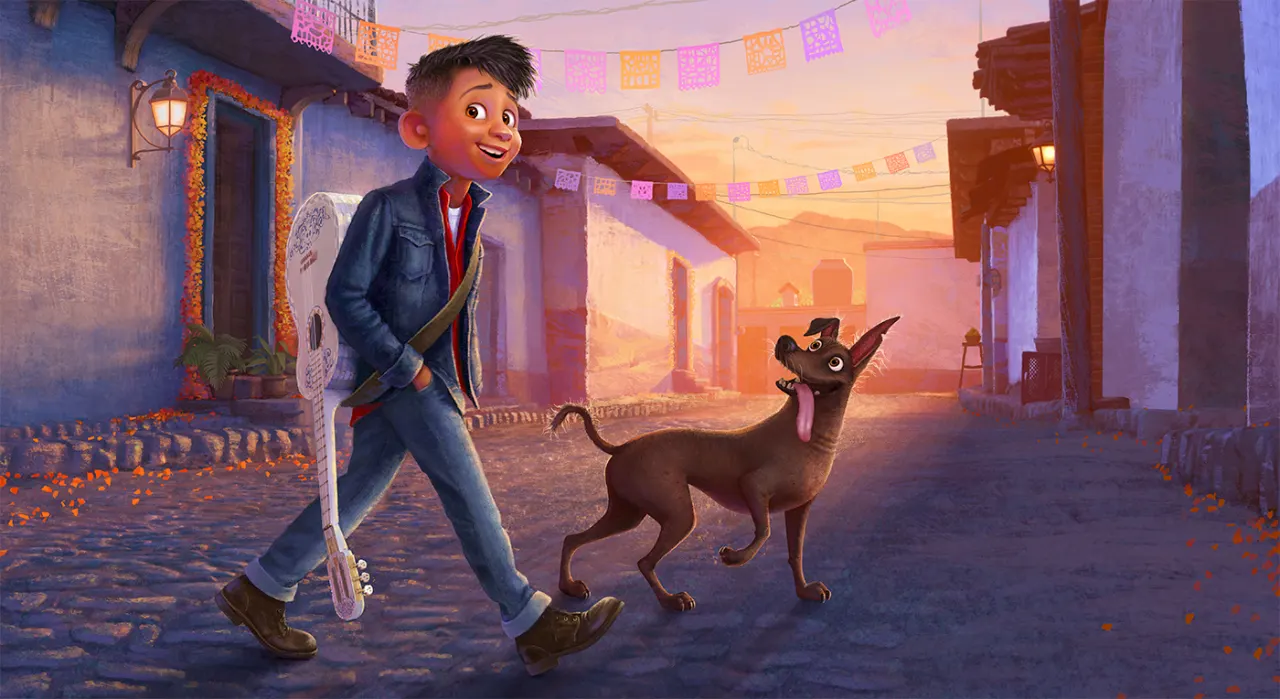
Disney and Pixar have unveiled first concept art for “Coco 2”, showing Miguel as a teenager with his dog Dante in the Land of the Dead. The sequel is due in cinemas in November 2029, extending one of Pixar’s most successful recent original films and reflecting the studio’s focus on established franchises.
Benjamin Bratt will return as Ernesto de la Cruz, whose revenge reportedly sends Miguel back to the Land of the Dead and forces him into an unlikely partnership with the character. Original director Lee Unkrich will direct alongside Adrian Molina, with Mark Nielsen producing; the 2017 “Coco” made more than $800 million worldwide and won Oscars for best animated feature and best original song.
- “Coco 2” will reach cinemas in November 2029.
- First art shows teenage Miguel and Dante.
- Lee Unkrich and Benjamin Bratt are returning.
New here? Start with this
Coco is a 2017 Pixar animated film set in Mexico around the Day of the Dead, a holiday when families remember relatives who have died. It follows a boy called Miguel, who dreams of becoming a musician despite his family’s long-standing ban on music.
Miguel’s journey takes him to the Land of the Dead, where he meets ancestors and learns about his family’s past. Dante is his stray dog companion, and the story places strong emphasis on memory, family and Mexican traditions.
The original film was both a major box-office success and an awards winner, helping make it one of Pixar’s best-known recent films. Pixar has increasingly returned to established titles for sequels, alongside making new animated stories.
Both sides, in good faith
The strongest fair case each way — we don't pick a winner.
The case for
Supporters argue that a sequel led by the original creative team can revisit Coco’s richly drawn Mexican setting and its themes of family, memory and identity with care, while allowing Miguel’s adolescence to open up new emotional territory. They see the film’s commercial success as evidence of genuine audience attachment rather than merely a branding opportunity, and note that dependable franchises can help fund ambitious original animation elsewhere at Pixar.
The case against
Critics argue that Coco was a notably complete, self-contained story, so a follow-up risks diluting its emotional resolution or treating a culturally specific work chiefly as a commercial asset. They worry that Pixar’s expanding slate of sequels may narrow the space for original films, and contend that financial success alone does not establish that a continuation is artistically necessary.