College lab class ends with 32 people on antibiotics for deadly germ exposure
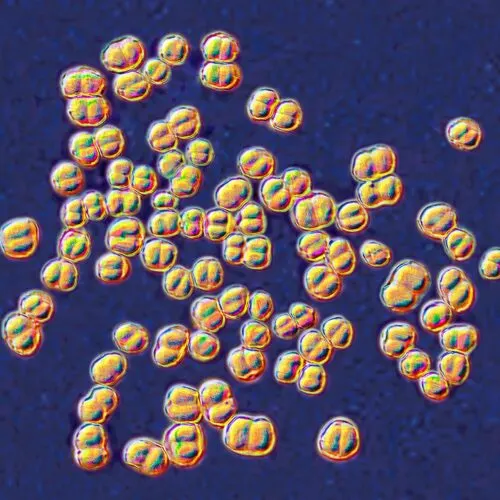
A microbiology lab exercise at a US college went badly wrong after 33 students, professors and lab workers misidentified a bacterial sample as Neisseria meningitidis, a dangerous pathogen that can cause meningitis and bloodstream infections. The mix-up prompted a full public health response, with 32 of those exposed placed on a 10-day course of preventive antibiotics as a precaution, even though the actual bacterium involved turned out to be harmless. The incident, detailed in a recent Morbidity and Mortality Weekly Report, is being held up as a cautionary tale about laboratory storage and safety procedures.
The students had been asked to identify a supposedly harmless mystery bacterium, Plesiomonas shigelloides, but instead unanimously concluded it was N. meningitidis based on consistent biochemical test results, despite lacking the specialist respiratory protection and biosafety cabinets normally required when handling such a pathogen. An investigation found a vial labelled N. meningitidis had inexplicably been stored in the same freezer as the intended sample. Two people developed headaches and underwent spinal taps as a precaution, and 15 of the 33 had prior meningococcal vaccination. Subsequent genetic testing by state health laboratories revealed the true culprit was N. sicca, a non-pathogenic relative whose unusual fermentation pattern had misled the class's identification.
In short
- Lab mix-up made 33 people think they'd been exposed to meningitis bacteria
- 32 took precautionary antibiotics; two had spinal taps for symptoms
- Testing later showed the bacterium was actually a harmless relative, N. sicca
Steelman: both sides, in good faith
The strongest fair case each way — we don't pick a winner.
The case for
Public health authorities properly prioritised safety by treating this as a confirmed N. meningitidis exposure. Meningococcal disease is genuinely life-threatening, and at the time of response, students and staff appeared to have been exposed based on standard identification methods. Prophylactic antibiotics are established medical practice for potential meningococcal exposure because the consequences of missing a real case are far more severe than the consequences of treating a false alarm. The response followed appropriate precautionary principles in public health.
The case against
This incident illustrates the problem with excessive precautionary medicine. Thirty-two people received unnecessary antibiotics, contributing to antibiotic resistance and individual harms, based on a false alarm caused by inadequate laboratory storage. Rather than accepting false alarms as inevitable and responding with increasingly aggressive interventions, institutions should prioritise preventing such mistakes through better procedures and training. Once the bacterium was confirmed as non-pathogenic, continuing aggressive medical treatment represented wasteful overreach of institutional resources.
Explained simply
A microbiology class at an American college was asked to identify a bacterium sample as part of a routine exercise. All 33 people in the room—including students, lecturers and laboratory workers—concluded the sample was Neisseria meningitidis, a dangerous bacterium that can cause meningitis and blood infections. This conclusion prompted a public health alert.
Because the bacterium appeared to be a serious threat, 32 of the 33 exposed people were given antibiotics as a precaution for ten days. Two people also underwent medical testing to check for infection. Later testing showed the sample was not actually the dangerous bacterium initially identified.
An investigation found that a vial labelled with the dangerous bacterium had been stored in the same freezer as the harmless sample intended for the class, causing the confusion. The incident illustrates the importance of proper laboratory storage and safety procedures. It demonstrates how quickly a laboratory mix-up can escalate into a public health emergency affecting dozens of people.