Combat vet senator chokes up over fallen friend in fiery floor speech about Iran war: ‘We will finish it’
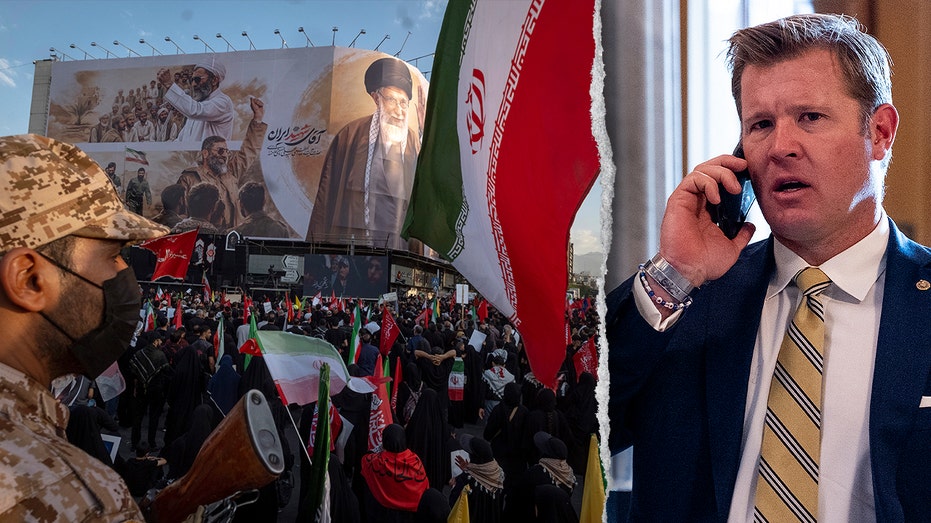
Republican Senator Tim Sheehy of Montana became emotional during a Senate speech on the Iran conflict, referring to a bracelet commemorating a friend killed by an Iranian explosively formed penetrator while serving in combat. He argued that the United States should respond forcefully to what he described as decades of Iranian-backed attacks, declaring that the country would “finish it”.
The speech came as Democratic lawmakers sought to limit President Trump’s war powers in relation to Iran, highlighting the growing congressional dispute over the scope and duration of US military action. Sheehy, a combat veteran, used his personal experience and his fallen friend’s death to frame the conflict as part of a longer history rather than an isolated escalation.
In short
- Senator Tim Sheehy gave an emotional speech backing forceful action against Iran.
- He recalled a friend killed by an Iranian-made weapon in combat.
- Democrats are seeking to curb Trump’s authority over the Iran conflict.
Steelman: both sides, in good faith
The strongest fair case each way — we don't pick a winner.
The case for
A nation that permits decades of state-sponsored attacks on its servicemembers to persist without forceful response risks establishing a dangerous precedent and invites further aggression. Honouring those killed in Iranian-backed attacks and defending future service members requires clear consequences and military strength; responding decisively is both a moral obligation to the fallen and a strategic necessity to deter hostile state actors from continuing to wage proxy campaigns against American forces.
The case against
Whilst accountability for attacks on Americans matters deeply, open-ended military authority without congressional restraint risks uncontrolled escalation, ill-defined objectives, and unintended consequences that may cause greater harm than prevention. Constitutional war powers constraints ensure serious military decisions rest on strategic analysis rather than understandable but individual grief, and that diplomatic alternatives and the full human costs of conflict receive proper deliberation before American forces are committed.
Explained simply
The relationship between the United States and Iran has been tense for several decades, with military confrontations and competing interests in the Middle East. The two countries have engaged in various military actions and economic measures, with ongoing disagreement about how America should respond to Iranian-backed attacks.
Republican Senator Tim Sheehy of Montana is a former military officer who served in combat in Afghanistan. He brings personal military experience to his views on Iran policy.
A key dispute in Congress concerns how much authority the President should have to wage war or expand military operations. Democrats have sought to limit President Trump's ability to take military action against Iran without congressional approval, reflecting broader disagreements about war-making powers.
Americas Geopolitics Government Middle East Politics World