Politics news and discussion on TalkFuse.
‘Communities are really angry’: how datacentre opposition has gone from marginal to mainstream in five months
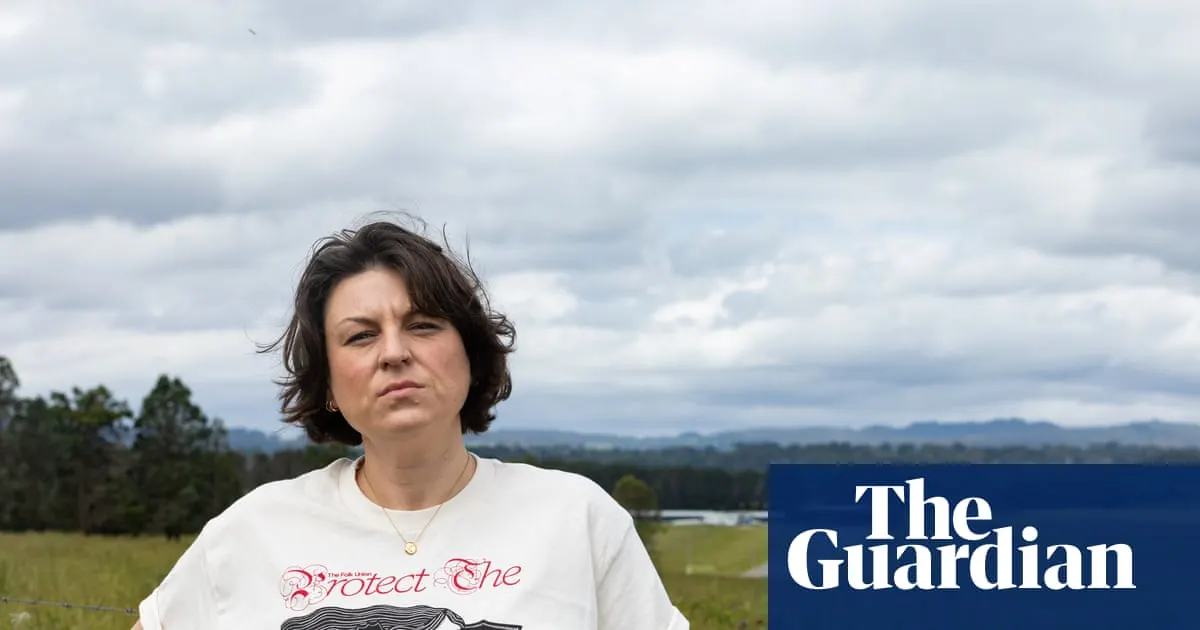
Opposition to datacentre projects in Australia has grown from a marginal concern into a broader community movement, with campaigners sharing advice and organising across regions. Local pressure has helped secure project withdrawals and delays, while a council in the Southern Highlands unanimously called for a federal moratorium on new datacentres.
Campaigners point to the withdrawal of proposals in Hazelmere, Western Australia, and Lane Cove, New South Wales, and a delay to NextDC’s M3 expansion in West Footscray, Victoria. In the Southern Highlands, a refusal of one proposed gas plant is being challenged in court; it is part of a plan for three plants capable of producing 673MW to power an AI-focused data campus. The federal government has proposed minimum standards for large datacentres from next year, but campaigners say approvals should pause or be subject to those rules.
In short
- Australian communities are coordinating opposition to new datacentres.
- Several proposals have been withdrawn or delayed after local campaigns.
- Campaigners want approvals paused until federal rules take effect.
Steelman: both sides, in good faith
The strongest fair case each way — we don't pick a winner.
The case for
A pause on new approvals could give governments time to assess datacentres’ likely demands on electricity, water and local infrastructure, and to set clear standards before projects proceed. The withdrawals, delays and regional organising suggest that residents want a meaningful say in decisions that may reshape their communities, while the proposed gas plants raise additional concerns about emissions and energy choices.
The case against
Datacentres can support digital services, investment and jobs, and delaying projects could deter development or shift it to places with weaker safeguards. Governments could instead apply the proposed minimum standards while assessing projects individually, balancing local impacts against broader economic and infrastructure needs without imposing a blanket moratorium.
Elections Politics Software Technology