Politics news and discussion on TalkFuse.
Consumer Watchdogs From Ohio To Illinois Want Grid Auction Delayed Over Data Center Costs
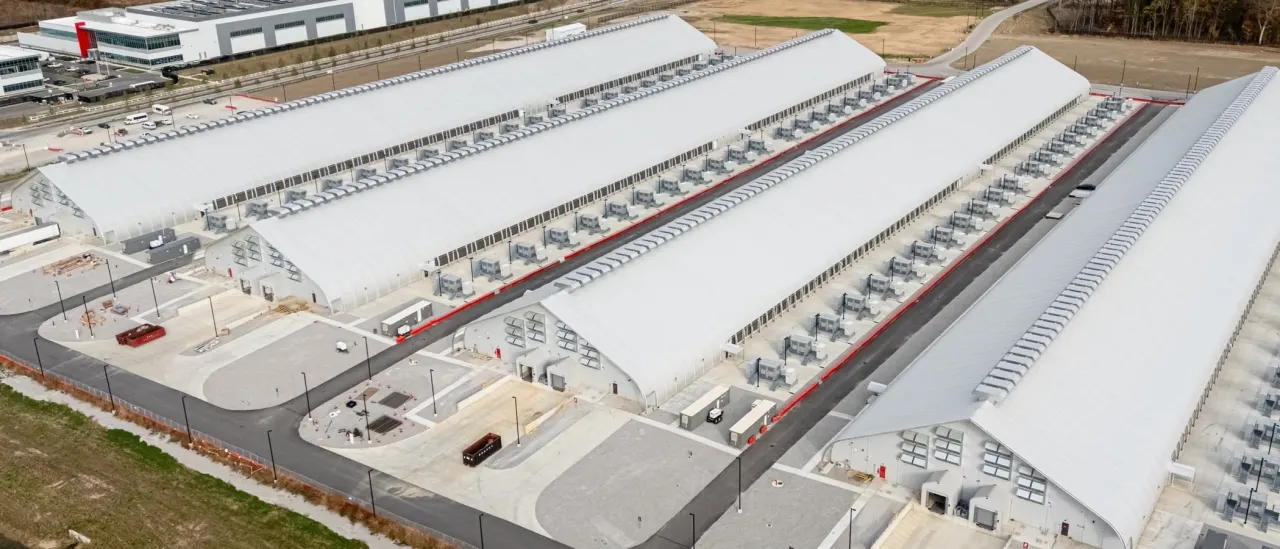
Consumer advocates in seven states are asking PJM Interconnection to postpone its December capacity auction, arguing that households could be left paying for electricity demand forecast from data centres. The dispute matters because the auction sets payments to generators for supplying future power, and advocates say including uncertain data centre demand could add billions to customer costs.
Eight consumer offices, including two from Illinois, asked PJM’s board to seek federal approval to delay the 9–15 December auction; they want a written response by 23 November. PJM’s independent market monitor estimated that data centres could add $5 billion to $10 billion in costs across customers, and recommended removing forecast data centre demand from the auction. Critics of a delay say it could unsettle investment and power supply planning; PJM serves 13 states and Washington, DC.
In short
- Consumer offices in seven states want PJM to delay its December auction.
- The market monitor estimates data centres could add $5 billion to $10 billion in costs.
- Generators warn that a delay could increase uncertainty for power supply planning.
Steelman: both sides, in good faith
The strongest fair case each way — we don't pick a winner.
The case for
Postponing the auction could give PJM time to assess whether forecast data centre demand is realistic and how its costs should be assigned. Advocates argue that households should not face billions in charges for demand that may not materialise, and that a short delay is justified if it helps protect customers from an unreliable forecast.
The case against
Keeping the auction on schedule could preserve predictability for generators and other participants making investment and supply plans. Critics may argue that postponement risks adding uncertainty to a process designed to secure future power, while the demand forecasts can be addressed through the market’s existing planning and oversight mechanisms.
Explained simply
PJM Interconnection runs the electricity grid and wholesale power market across 13 states and Washington, DC. It holds capacity auctions, where power generators are paid to be ready to supply electricity in a future period; those costs can feed through to customer bills.
Data centres use large amounts of electricity, and more are being planned. The dispute centres on whether forecasts of their future power use should count in the auction, and who would bear the cost if that demand does not materialise. Consumer advocates and state consumer offices are among the groups seeking changes, while critics say altering the auction timetable could complicate investment and supply planning.